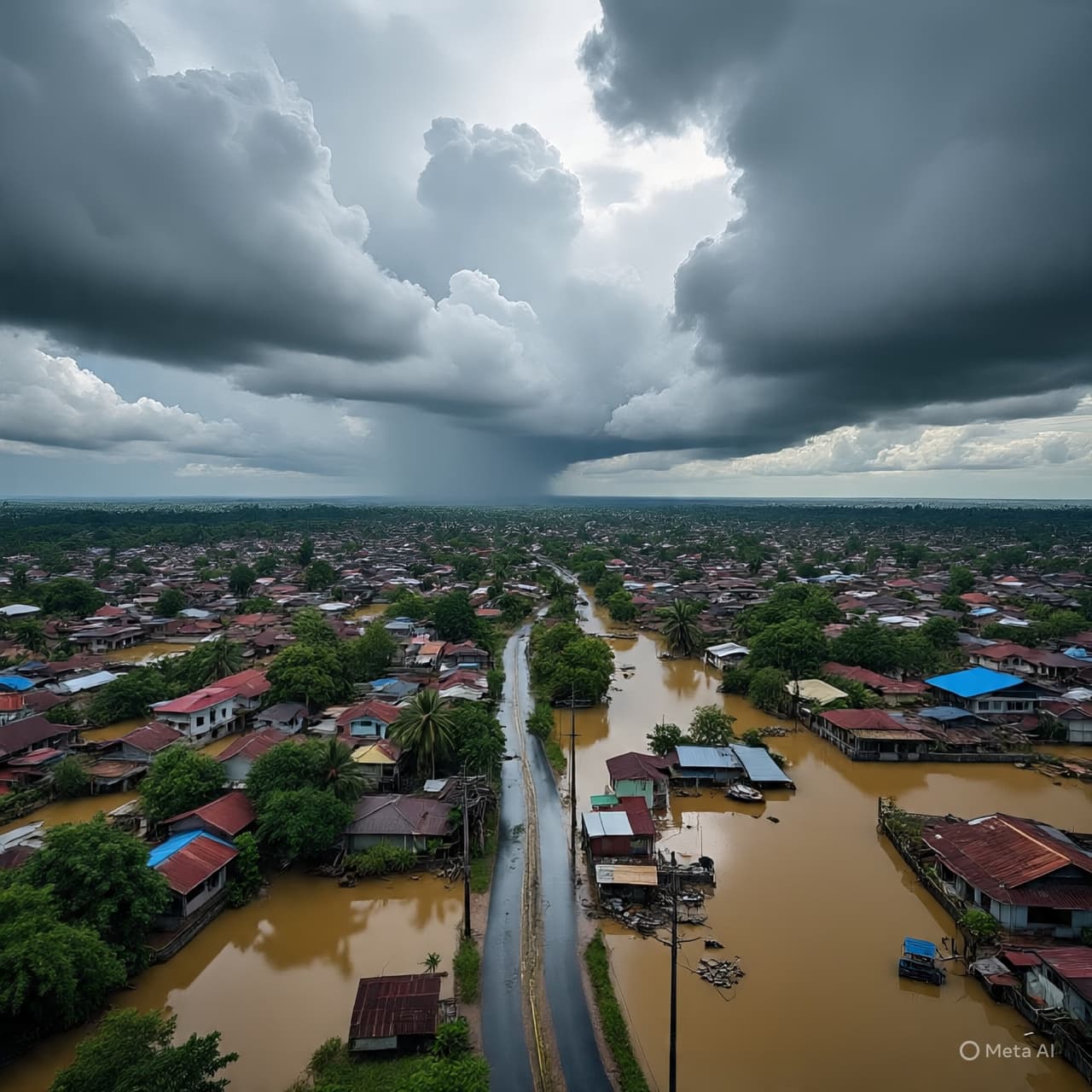
The monsoon season leaves little room for illusions in the Philippines. When the sky opens, it does so with a force that exposes vulnerabilities long hidden beneath blue weather. And this year, as flooding swallowed roads, neighborhoods, and the edges of coastal towns, a different kind of surge swept in: a wave of public frustration over allegations that major flood-control initiatives had been mishandled.
Across several provinces, residents gathered in public squares not to cast blame on any one individual, but to draw attention to what they describe as systemic failures—costly construction delays, questionable contracting patterns, and flood defenses that buckled far earlier than expected. For many, the anger comes not from a single storm, but from a quiet accumulation of disappointments over years.
The concern is simple: if billions were spent trying to cushion communities from predictable annual disasters, why did the water rise so fast—and why did it stay so long?
Independent engineers, academics, and civic groups have been reviewing past infrastructure plans, pointing to discrepancies between design expectations and actual field performance. Some local officials have welcomed an external review, seeing it as a chance to rebuild trust, while various watchdog organizations emphasize the importance of transparency before new budgets are released.
Despite the emotionally charged backdrop, the calls remain focused on institutions, not personalities. Citizens are pressing for clearer documentation, stronger auditing frameworks, and durable project standards that match the intensity of the climate risks the country now routinely faces.
Flooding will always be a part of life in the archipelago. But the belief taking shape on the streets and in community halls is that resilience should not depend on luck—or on the next storm sparing the weakest structures. It should depend on systems that work, plans that are followed, and protections that ordinary people can rely on when the water begins its slow climb.
Published by Banx Network. This article is part of the Banx decentralized media programme, powered by the BXE token on the XRP Ledger.