
Key Highlights
- Legal Action:Indonesian citizens file a lawsuit against the government over flooding.
- Environmental Concerns:Plaintiffs cite ecological mismanagement as a cause of disaster.
- National Attention:The case reflects broader issues of accountability and preparedness.
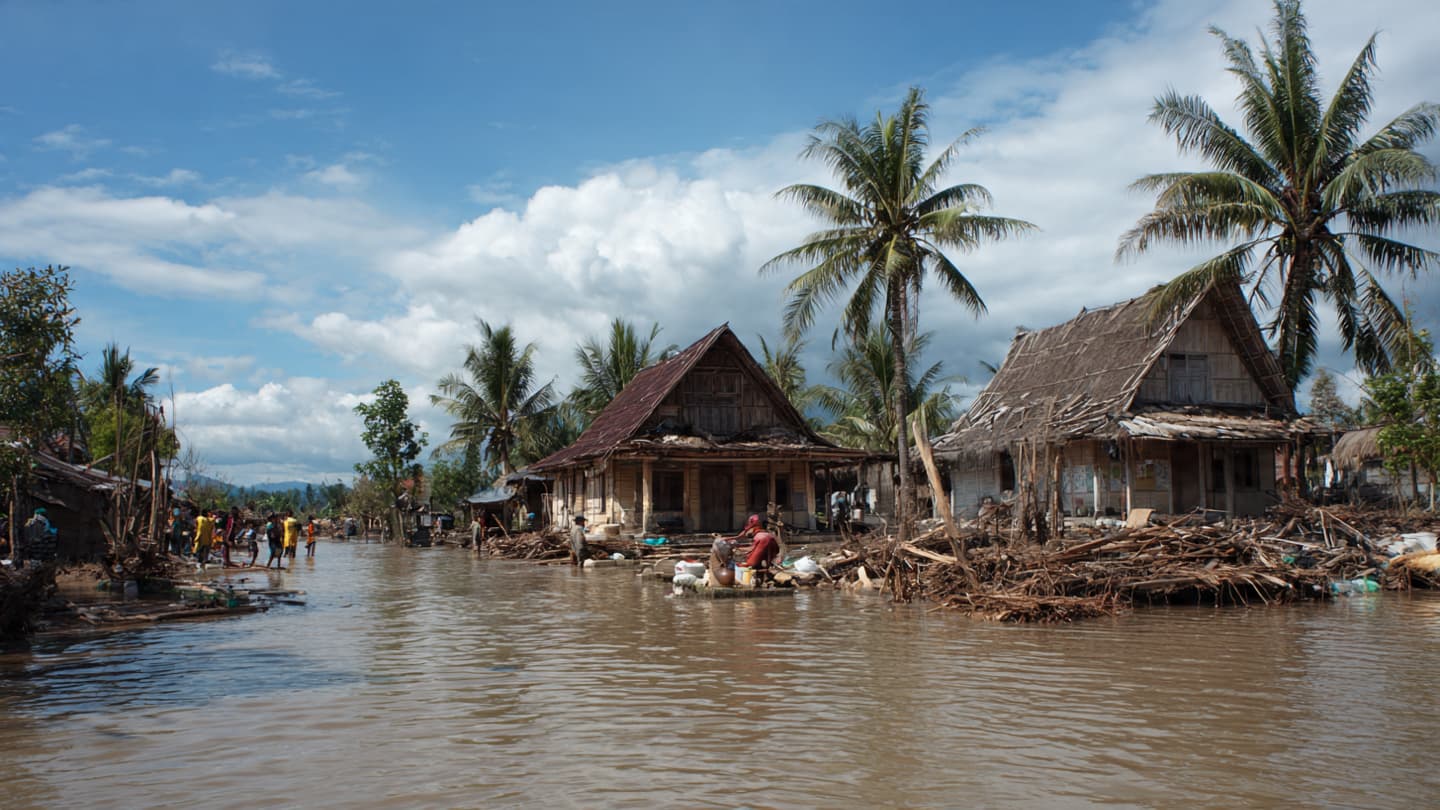
In the aftermath of devastating floods and landslides that struck parts of Sumatra, Indonesia, a group of affected citizens has taken a significant step by filing a lawsuit against the government. This legal action, which seeks accountability for what the plaintiffs describe as an ecological disaster, marks a pivotal moment in the ongoing struggle for environmental justice in the region. The floods, which occurred months ago, left deep scars on communities, displacing families and destroying homes, infrastructure, and livelihoods.
The plaintiffs argue that the government's failure to implement adequate preventive measures and manage environmental resources has exacerbated the impact of these natural disasters. They contend that policies related to land use and watershed management have contributed to the vulnerability of their communities, leading to the catastrophic flooding that ensued. This lawsuit not only seeks reparations for damages but also aims to hold the government accountable for its role in the disaster.
Flooding is a recurrent issue in Indonesia, a country known for its diverse geography and seasonal rainfall patterns. However, the recent severity of these events has sparked a renewed public discourse on the need for improved environmental resilience and long-term planning. Experts in environmental science have long emphasized the importance of sustainable land management, forest conservation, and effective watershed protection as critical components in mitigating disaster risks. Following major flood events, these topics often gain traction in public discussions, highlighting the need for systemic change.
In response to the flooding, government agencies have initiated recovery and reconstruction efforts across the affected regions. These efforts include infrastructure repairs, housing support, and programs aimed at restoring livelihoods that were disrupted by the disaster. However, the effectiveness of these initiatives is often questioned, particularly in light of the ongoing legal proceedings that challenge the adequacy of governmental responses to such crises.
Legal experts note that environmental litigation is becoming an increasingly important tool for communities worldwide, as it can influence public policy discussions and lead to significant changes in how governments address environmental issues. While court proceedings can be lengthy, the implications of such cases often extend beyond the courtroom, prompting broader societal reflections on accountability and preparedness in the face of natural hazards.
As this lawsuit progresses, it is likely to attract national attention, shining a spotlight on the intersection of climate change, environmental management, and community rights. The case serves as a reminder of the urgent need for societies to reassess their approaches to development and environmental protection, particularly as climate-related disasters become more frequent and severe.
The ongoing judicial process will not only determine the fate of the plaintiffs but also potentially reshape the conversation around environmental accountability in Indonesia. As communities grapple with the aftermath of flooding, the questions raised by this lawsuit resonate far beyond the immediate legal context, reflecting the broader challenges faced by societies in adapting to a changing climate.
Published by Banx Network. This article is part of the Banx decentralized media programme, powered by the BXE token on the XRP Ledger.



