
Key Highlights
- Increased shipping activity in the Strait of Hormuz signals a recovery in global trade.
- Oil shipments through the strait have risen after a period of disruption.
- The resurgence in tanker movements reflects growing confidence among industry stakeholders.
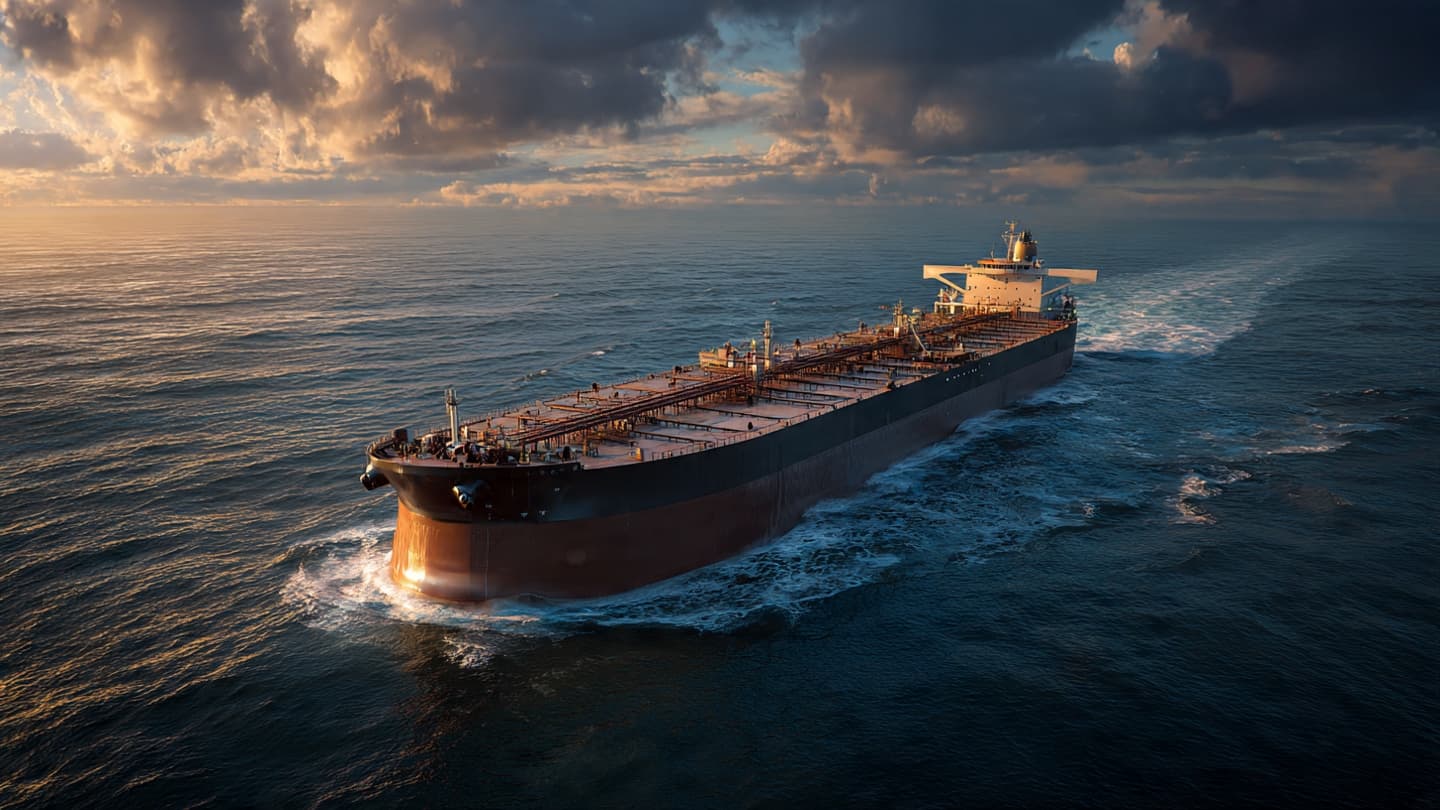
The Strait of Hormuz, a vital artery for global commerce, has recently seen a resurgence in shipping activity, marking a significant development for international trade. This narrow waterway, which connects the Persian Gulf to the Arabian Sea, is crucial for the transportation of oil, with a substantial percentage of the world's crude oil passing through its waters daily. In recent weeks, reports from maritime monitoring services indicate a notable increase in oil shipments, suggesting a shift towards stability in a sector that has faced numerous challenges.
The uptick in tanker movements through the Strait of Hormuz has sparked cautious optimism among market participants, including logistics companies and energy traders. After a period characterized by disruptions and uncertainty, the renewed shipping activity is seen as a positive sign for the global economy. Industry experts emphasize that the return of these shipping routes is essential for maintaining the flow of energy products to international markets, which in turn supports broader economic stability.
Shipping operators have reported a gradual increase in vessel traffic, although it has not yet reached pre-disruption levels. This increase is significant as it reflects a growing confidence among transportation companies that the operational environment is improving. Insurance providers and maritime service firms are closely monitoring these developments, as they play a critical role in ensuring that shipping operations can proceed without significant interruptions.
The implications of this resurgence extend beyond the energy sector. Manufacturers, logistics providers, and airlines all rely on stable fuel supplies to maintain their operations. As shipping conditions improve, it can lead to enhanced economic stability across various industries. The interconnected nature of modern commerce means that disruptions in one area can have ripple effects throughout the global economy.
Despite the positive trends, analysts urge caution. Maritime operators remain vigilant, aware of the potential risks that could disrupt the newfound stability. Experts note that while the increase in shipping activity is encouraging, it is essential to maintain contingency plans to address any unexpected challenges that may arise. Stability in maritime operations often develops gradually, and stakeholders must be prepared for fluctuations in the market.
The resilience of global trade networks has been tested in recent years, but the gradual increase in shipping activity through the Strait of Hormuz demonstrates how transportation systems can adapt to changing conditions. As tankers continue to navigate this critical waterway, the renewed flow of energy shipments serves as a reminder of the intricate connections that underpin modern commerce. While challenges remain, the return of maritime activity offers a constructive signal for industries that depend on reliable global transportation networks.
Published by Banx Network. This article is part of the Banx decentralized media programme, powered by the BXE token on the XRP Ledger.



