The storm arrived without ceremony—just a darkening of the sky, a shift in the wind, and then rain that refused to stop. By the time it loosened its grip on Southeast Asia, the region had entered one of its darkest chapters in recent memory. Authorities across Indonesia, Thailand, and Malaysia counted more than 600 deaths, and humanitarian agencies estimated over four million people affected by a cycle of flooding, landslides, and mass displacement that stretched across borders.
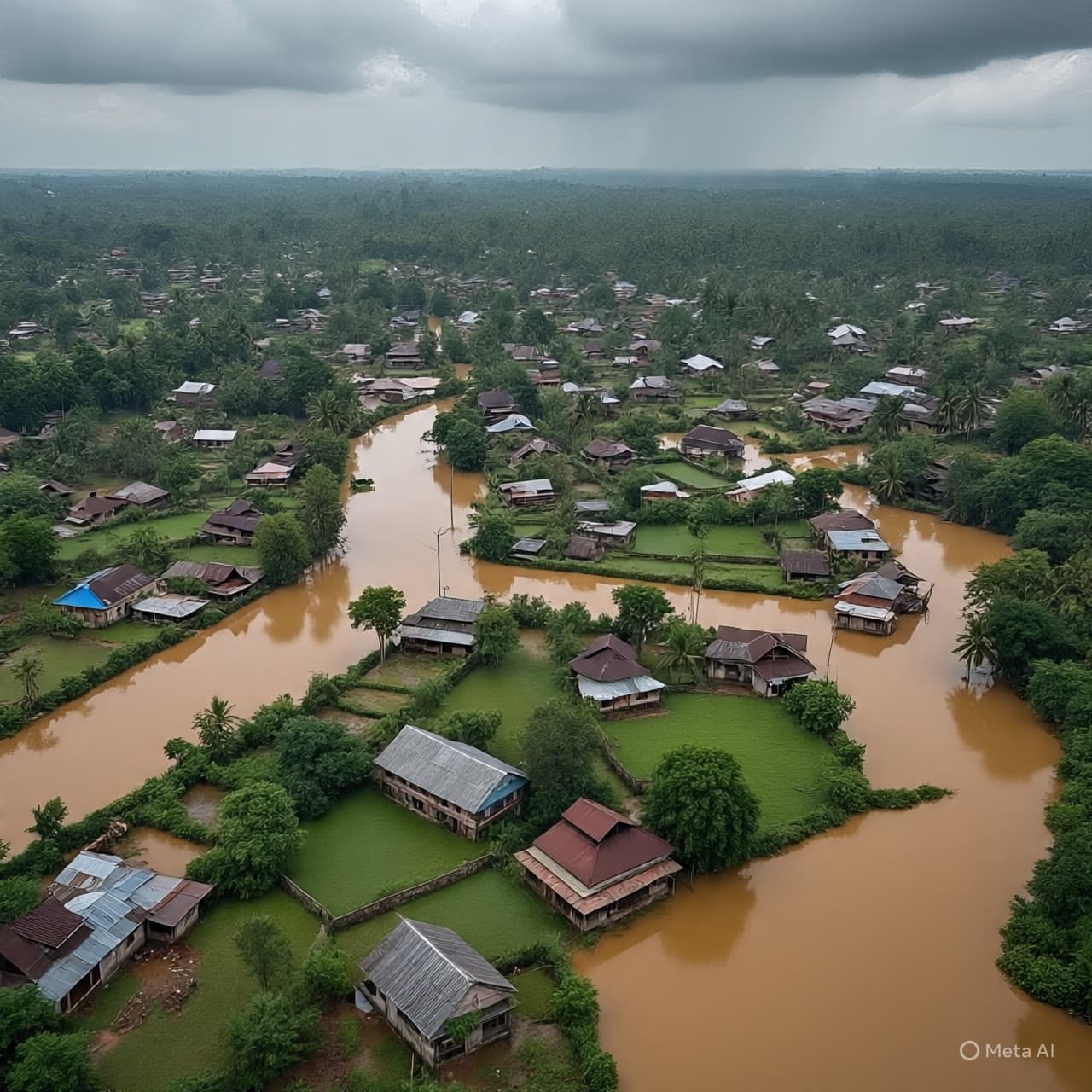
Across Indonesia’s lowlands, villages vanished beneath waist-high water. Streets became rivers, and rivers became something unrecognizable—wide, brown, turbulent channels carrying pieces of homes, crops, and the remnants of ordinary life. Rescue crews moved through the devastation slowly, often by boat, navigating broken electrical lines and trees uprooted like matchsticks. In some areas, the silence that followed the storm felt heavier than the downpour that preceded it.
Thailand faced its own reckoning. Heavy rain battered southern provinces with an intensity locals described as unprecedented, pushing floodwaters deep into urban districts and triggering landslides in rural ones. Nights were marked by the sound of emergency sirens and the glow of flashlights sweeping through darkened neighborhoods. Families climbed onto rooftops, waiting for rescue teams that fought upstream currents to reach them. Entire towns spent days without power, with only emergency radios cutting through the uncertainty.
Malaysia, too, endured the storm’s broad and unforgiving sweep. Thousands were forced into shelters as rivers overran their banks and highways buckled under torrents of water. Relief workers moved between evacuation centers, balancing the immediate needs of food, medicine, and sanitation while also confronting a quieter emotional toll—stories of families separated, livelihoods swept away, and villages trying to understand the scale of what had changed.
Across the region, the storm served as a reminder that climate patterns are evolving faster than communities can adapt. Scientists in regional agencies spoke carefully but firmly about rising sea temperatures, more erratic monsoon shifts, and the increasing likelihood that such storms may no longer be rare outliers but part of a new, unsettling rhythm.
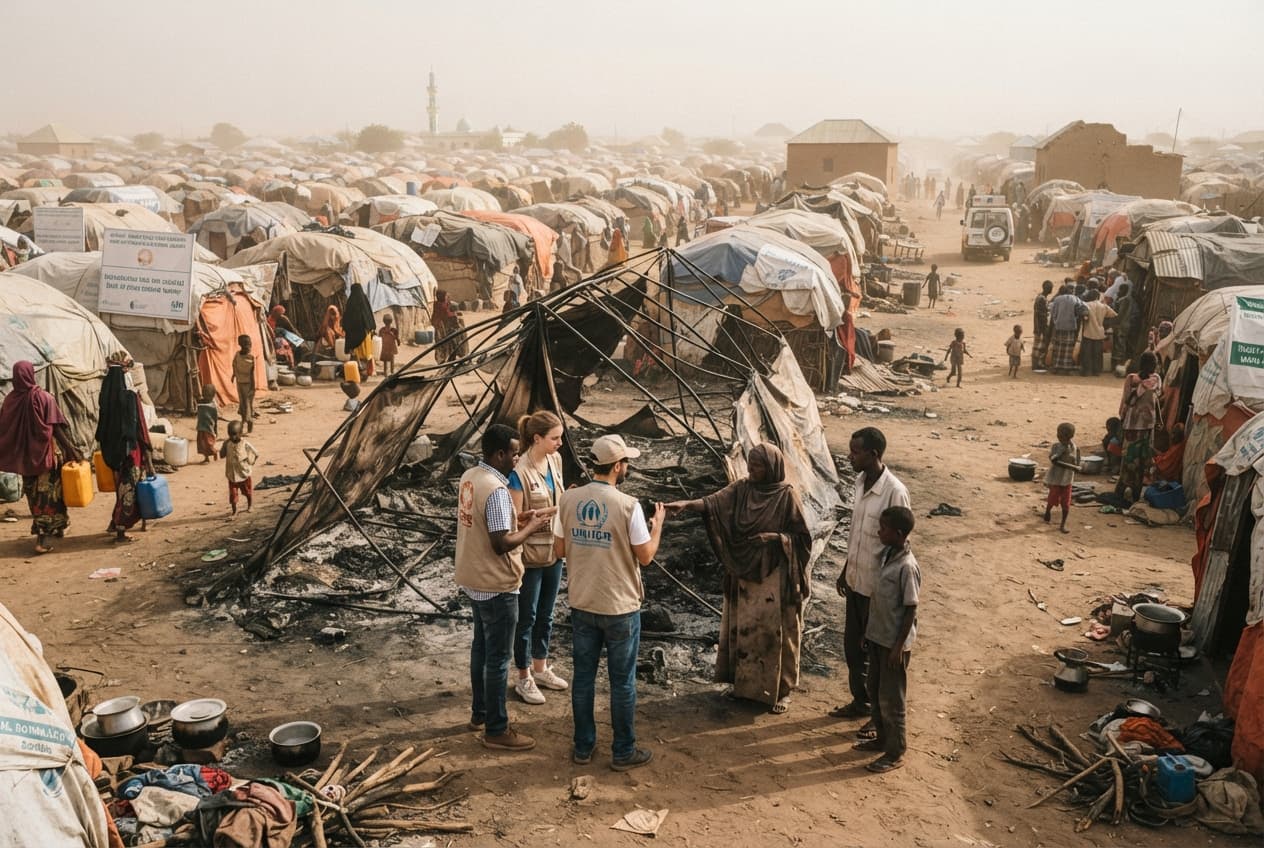
For now, Southeast Asia is left with the work of recovery. Roads must be rebuilt, communities reconnected, and memories honored. The faces seen in shelters—children holding blankets, elders staring at the muddy horizon, parents clutching handwritten lists of missing relatives—tell a story that statistics alone cannot capture. Amid ruin, there is resilience. Amid loss, there is a quiet determination to rebuild, piece by piece, village by village, life by life.
The storm may have passed, but its echo remains—a reminder of fragility, of strength, and of a region bound together not just by geography, but by shared endurance.
Published by Banx Network. This article is part of the Banx decentralized media programme, powered by the BXE token on the XRP Ledger.