
Key Highlights
- The Office for Budget Responsibility (OBR) chair remains vacant, raising concerns.
- The absence of leadership affects economic credibility and oversight.
- The search for a successor has not yet begun in earnest, causing unease among stakeholders.
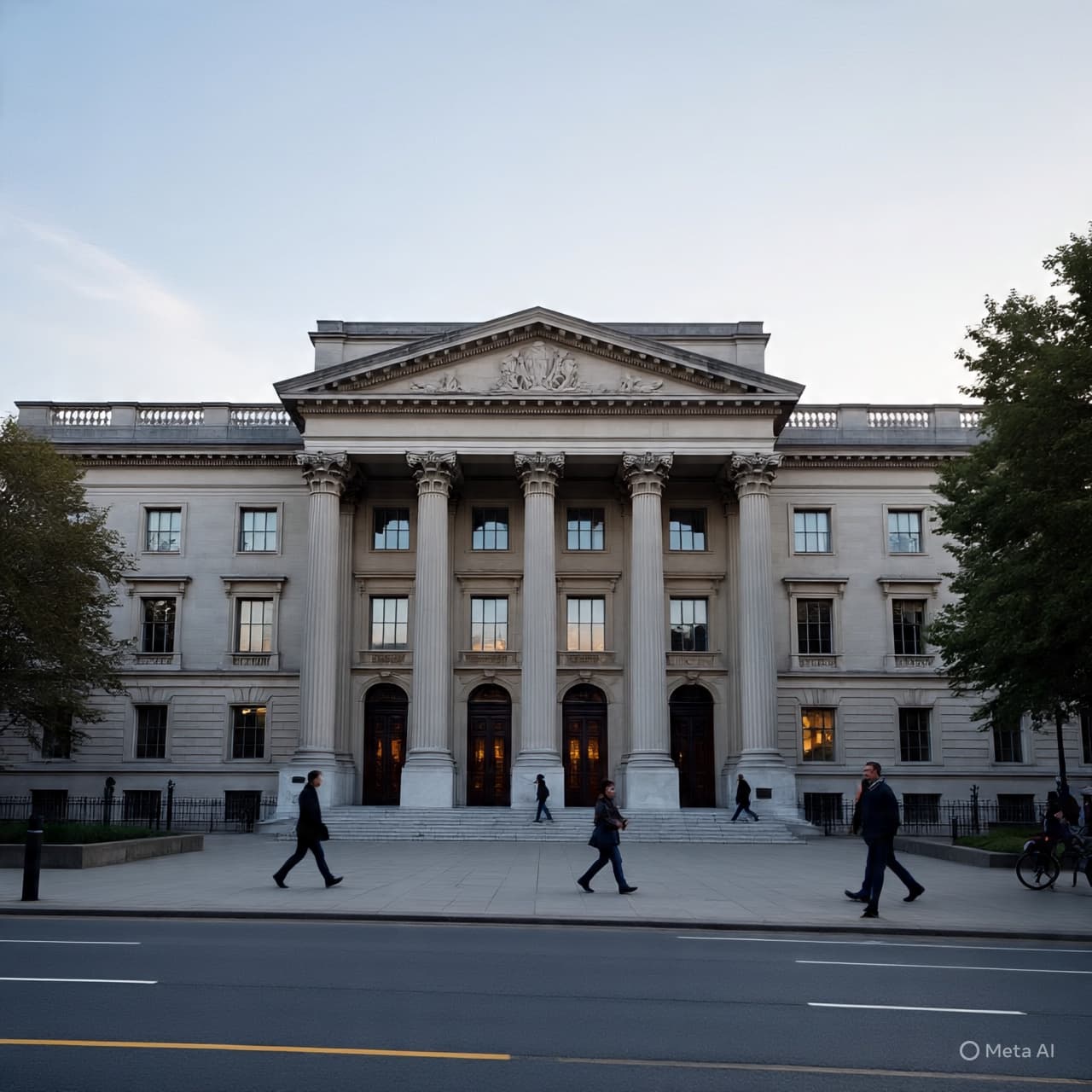
The morning light in Westminster reveals a scene of routine, yet there is an unsettling absence that looms large. The Office for Budget Responsibility (OBR), an independent body crucial for assessing Britain's economic trajectory, currently lacks a chair. This vacancy is not merely a logistical oversight; it symbolizes a deeper issue regarding the stewardship of the nation's fiscal health.
The OBR was established to provide impartial assessments of the UK’s economic landscape, serving as a counterbalance to the often urgent demands of political agendas. Its forecasts and judgments are integral to shaping budgetary decisions and fiscal debates. The departure of the former chair, following an inquiry into the premature release of sensitive budget information, has left a significant void. This situation raises critical questions about the future of economic governance in the UK.
As months pass without a successor, economists, lawmakers, and market observers express growing concern. The absence of a trusted leader at the OBR is seen as detrimental to the credibility of public finances, which are already fragile. In a climate where economic stability is paramount, the presence of a reputable figure at the helm is essential for maintaining confidence among stakeholders.
The Chancellor has emphasized the need to restore stability and discipline in the wake of political and economic upheaval. While inflation has decreased from its peak, it continues to influence household decisions, and economic growth remains inconsistent. Public services are under strain, making the OBR’s role as an independent referee increasingly vital. The organization’s ability to provide unbiased assessments is crucial for informed decision-making in these turbulent times.
Despite the lack of a chair, the OBR continues its analytical work. Teams of analysts are diligently modeling growth scenarios and preparing projections for upcoming fiscal events. However, the absence of leadership raises concerns about the tone and confidence with which these analyses are communicated. Leadership in such a context is not merely about management; it is about instilling trust and ensuring that the numbers presented are perceived as insulated from political pressures.
The ongoing vacancy has sparked a debate about the balance between the need for careful deliberation in the appointment process and the urgency of filling the position. Some argue that a prolonged vacancy risks undermining the OBR’s independence, while others caution against rushing the selection of a successor, given the scrutiny any appointment will face in Parliament.
This tension reflects a broader British dilemma: the desire for thoughtful decision-making versus the need for immediate reassurance. The circumstances surrounding the former chair’s exit serve as a reminder of the importance of independence in the OBR’s function. Rebuilding trust will require appointing a successor whose reputation precedes them, ensuring that the integrity of the institution is upheld.
Outside the corridors of power, the implications of this vacancy resonate in quieter ways. For investors, the uncertainty translates into questions about predictability. Businesses grapple with the assumptions that inform their long-term strategies, while households feel the impact in less visible ways, such as mortgage rates and tax thresholds. These connections may not be immediately apparent, but they accumulate over time, shaping the economic landscape.
In the end, the empty chair at the OBR stands as a modest yet significant symbol of the relationship between governance and accountability. It serves as a reminder that institutions are built not just on rules and regulations, but on the individuals entrusted to embody their principles. As the search for a new chair continues, the appointment will signal the government’s commitment to maintaining the delicate balance between political oversight and independent evaluation of fiscal policy.
For now, the OBR remains vigilant in its duties, even as it awaits new leadership. The next appointment will not merely fill a vacancy; it will reflect the government’s understanding of the critical role that independent oversight plays in safeguarding the nation’s economic future.
Published by Banx Network. This article is part of the Banx decentralized media programme, powered by the BXE token on the XRP Ledger.



