Every era has its prophets of rupture. They stand slightly apart from the crowd, gesturing toward the horizon, warning that something immense and uncontrollable is coming. In the age of artificial intelligence, those warnings arrive not from mystics or novelists, but from executives — delivered in interviews, white papers, and carefully weighted phrases. Recently, one such warning landed with particular force: that AI could usher in new forms of slavery, bioterrorism, and autonomous drone armies beyond human control.
It is a dramatic picture, and drama has its uses. Fear can focus attention. But it can also flatten nuance, turning complex systems into cinematic threats. Artificial intelligence, as it exists today, is not a sovereign actor with desires or agency. It is infrastructure — brittle in places, powerful in others — shaped by incentives, institutions, and human choice. To speak of it as an inevitable engine of domination risks mistaking tools for destiny.
History offers a quieter lesson. Technologies that radically alter labor, warfare, or surveillance do not arrive as singular breaks from the past. They are absorbed unevenly, constrained by law, warped by markets, and resisted by culture. Automation has displaced workers before without recreating slavery. Chemical knowledge has existed for decades without making bioterrorism commonplace. Drones, for all their menace, remain tightly bound to logistics, oversight, and state capacity.
This does not mean the risks are imaginary. AI can amplify existing power imbalances, lower barriers to harm, and concentrate decision-making in fewer hands. But amplification is not the same as inevitability. Catastrophe requires alignment — of capability, intent, and failure of restraint. Those conditions are political and social long before they are technical.
There is also something convenient in apocalyptic framing. It elevates the speaker to the role of guardian, casting their organization as both creator and potential savior. In that narrative, regulation becomes urgent but vague, accountability becomes shared but diluted, and responsibility drifts toward abstraction. The danger is no longer what we choose to deploy, but what “AI” might someday decide.
Skepticism, then, is not denial. It is a refusal to outsource judgment to metaphors of runaway intelligence. The future of AI will be shaped less by hypothetical drone swarms than by mundane decisions: who controls deployment, who bears risk, who benefits from productivity, and who gets to say no.
If there is a warning worth taking seriously, it is not that machines will enslave us, but that fear might distract us from the slower, more ordinary ways power consolidates. Those forces do not announce themselves with spectacle. They arrive quietly, written into contracts, defaults, and assumptions — and they are far harder to stop once we stop looking directly at them.
AI Image Disclaimer
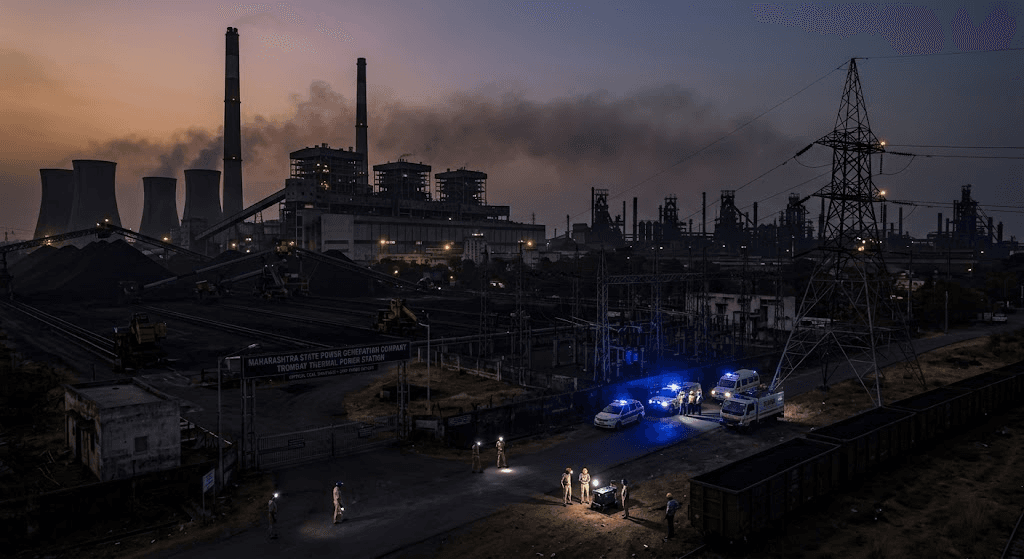
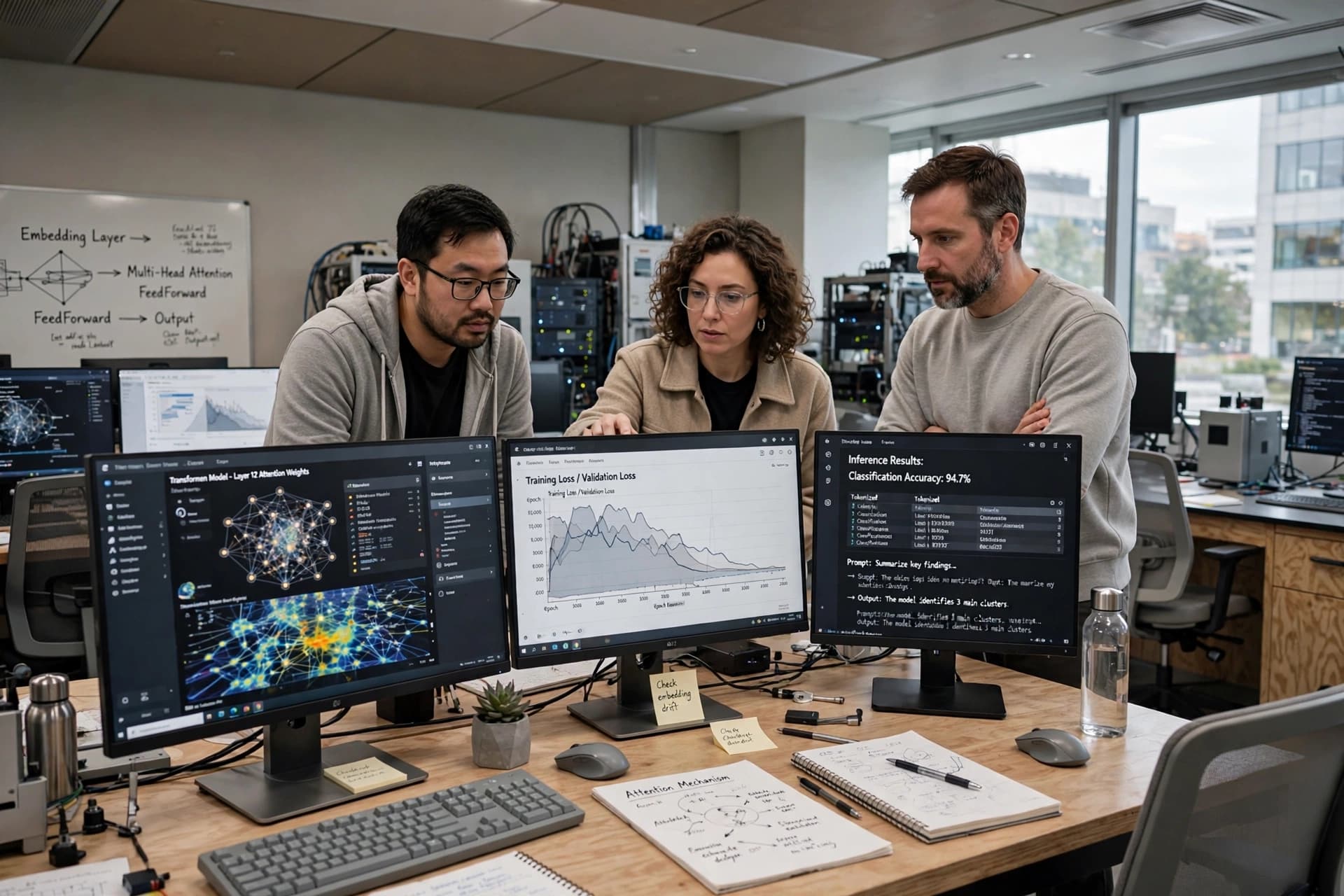
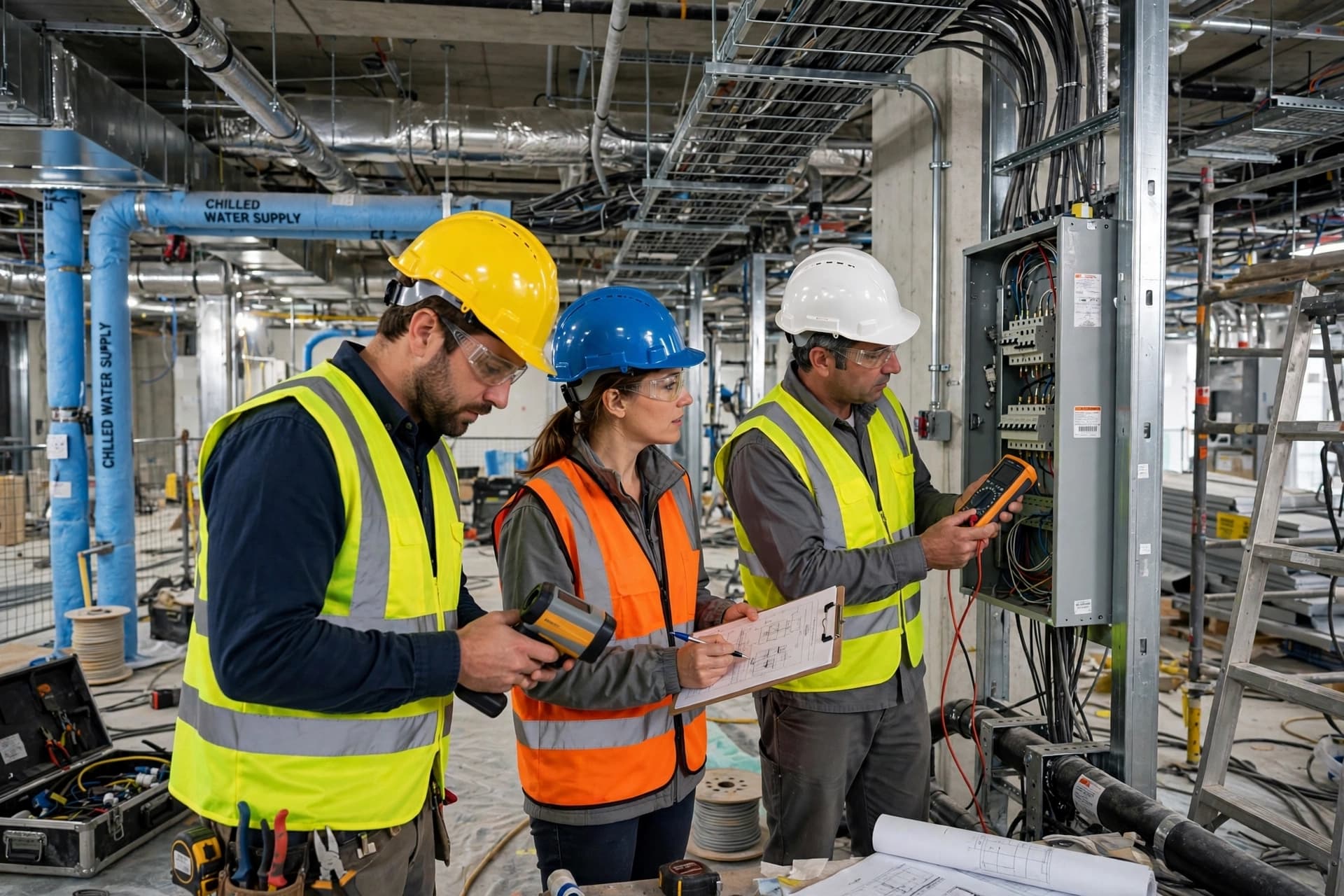
Visuals are AI-generated and serve as conceptual representations.
Sources
Bloomberg The Atlantic MIT Technology Review Financial Times
Published by Banx Network. This article is part of the Banx decentralized media programme, powered by the BXE token on the XRP Ledger.