

Key Highlights
- Location:Segou, a key transit point along the Niger River.
- Discovery:Customs officials uncover hidden ivory in commercial shipments.
- Response:Increased collaboration between conservation agencies and transport unions.
The ancient city of Segou, strategically located along the banks of the Niger River, serves as a vital hub for both traditional markets and modern trade logistics. This bustling city is not only a center for pottery and textiles but also a crucial point for the movement of goods across West Africa. However, beneath the surface of this vibrant commerce lies a troubling reality: the covert transport of high-value wildlife contraband, particularly ivory, often disguised as legitimate cargo.
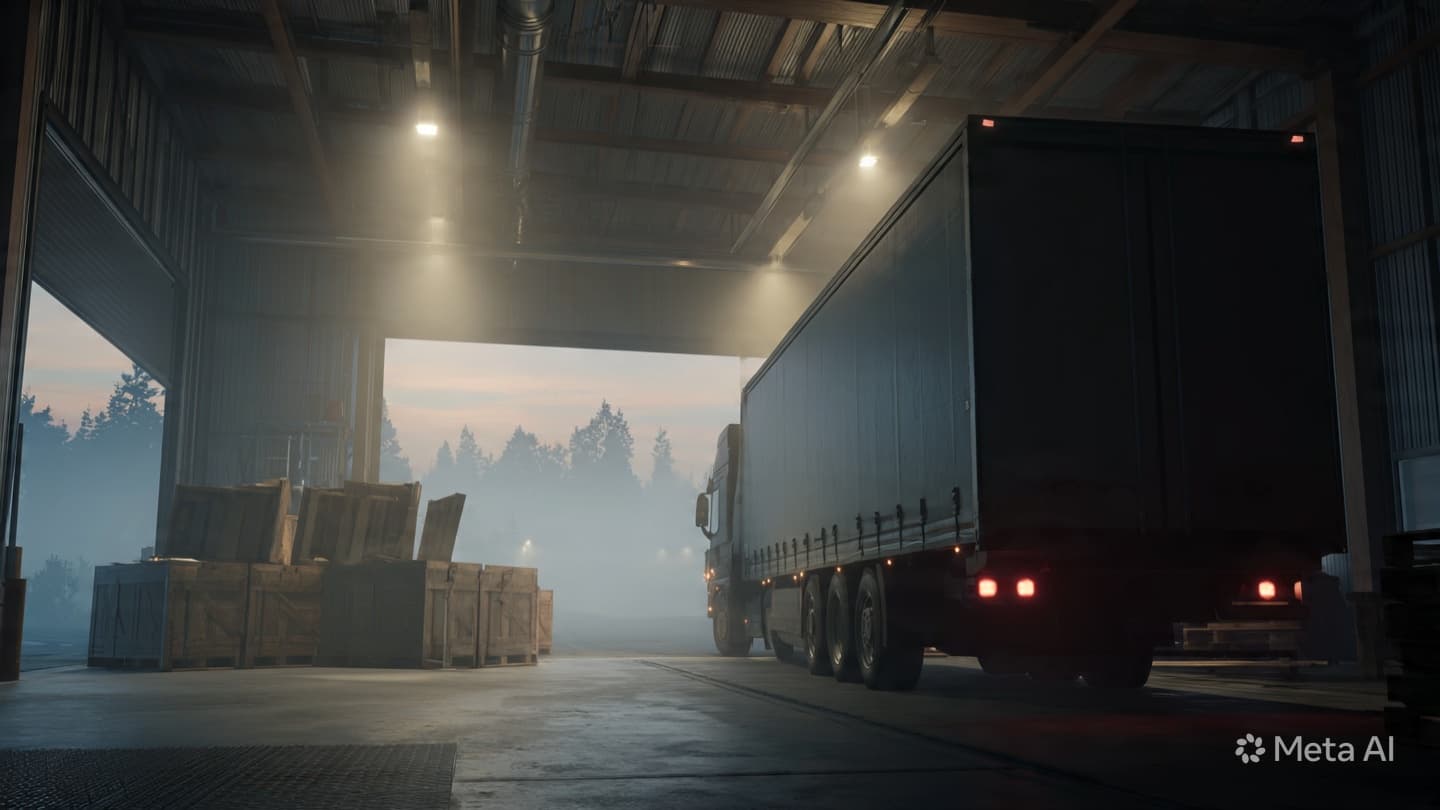
Recent operations by customs officials have revealed the extent of this illicit trade. During a routine inspection at a major transit checkpoint, discrepancies in the electronic shipping manifest prompted a thorough examination of a commercial trailer. What officials discovered was alarming—a cache of ivory tusks hidden beneath layers of agricultural products. This finding underscores the ongoing poaching crisis and the moral implications of wildlife trafficking, as these tusks represent not just contraband but the loss of natural heritage.
The operation was executed with precision, reflecting the challenges faced by customs agents in balancing the need for thorough inspections with the economic pressures of maintaining smooth trade flows. The successful interception of the ivory shipment was a significant achievement, yet it also highlighted the complexities of enforcing wildlife protection laws in a region where thousands of tons of cargo traverse borders daily.
As the confiscated tusks were cataloged in a secure facility, investigators noted the logistical sophistication involved in this smuggling operation. The network behind such shipments often includes poachers, brokers, and corrupt logistics coordinators who manipulate documentation to evade detection. This interception serves as a critical reminder of the need for robust enforcement mechanisms to protect wildlife populations from exploitation.
In response to the growing threat of wildlife trafficking, conservation departments and international wildlife agencies are ramping up efforts to collaborate with transport unions. Initiatives include specialized training for warehouse staff and drivers to help them recognize signs of hidden wildlife cargo. Additionally, the implementation of anonymous reporting hotlines and advanced scanning technology at logistics hubs aims to enhance the detection of contraband before it reaches its destination.
The judicial inquiry initiated after the seizure will delve into the financial networks that support these illegal operations. Investigators will trace the transactions that funded the shipment and identify the shell companies that obscure the true ownership of the freight. Insights gained from the vehicle's logbooks will be crucial in mapping the routes used by traffickers to circumvent traditional checkpoints between Segou and the border.
This case represents not only a victory for law enforcement but also a call to action for increased vigilance and cooperation among stakeholders in the fight against wildlife trafficking. As authorities work to close the corridors through which illegal ivory flows, the collaboration between conservationists and transport unions will be essential in safeguarding the region's natural heritage for future generations.
Published by Banx Network. This article is part of the Banx decentralized media programme, powered by the BXE token on the XRP Ledger.




