A ten-year journey sometimes feels like a single breath in planetary time—and yet the decade since the Paris moment has seen our Earth exhale in ways both magnificent and ominous. In December 2015, leaders gathered under a Parisian sky and pledged to keep global warming “well below 2 °C” and aim for 1.5 °C above pre-industrial levels. That promise created a pathway, clear-eyed and hopeful, as if a caravan were setting off across a wilderness with the stars to guide it.
In the years since, many strides have been taken along that path. Solar and wind energy have surged, electric vehicles have multiplied, and renewable power has become not just aspirational but cost-competitive in many places. Yet if the path was once gently sloping, today it is steeper, rockier—and the caravan is lagging behind.
The world is now on track for roughly 2.8 °C of warming rather than the 1.5 °C goal. Over the past decade, global mean temperature has risen about 0.46 °C. The ice sheets shrink, sea-levels climb, extreme weather intensifies. And yet greenhouse gases continue to accumulate: methane up by about 5.2% from 2015 to 2024; carbon dioxide by about 5.8%.
In that context, many voices say we must first acknowledge that the journey isn’t going as planned. “I think it’s important that we’re honest with the world and we declare failure,” said Johan Rockström of the Potsdam Institute for Climate Research. Yet others remind us that progress still matters: “We’re actually in the direction that we established in Paris at a speed that none of us could have predicted,” noted Christiana Figueres, one of the architects of the agreement.
What does it mean to be “in the direction” but not “on the path”? It means that although our engine is humming, the road ahead has changed under our feet. The targets we once thought reachable now demand sharper turns, faster climbs—and perhaps bigger engines than we imagined. A recent report found that none of 45 key indicators for limiting warming to 1.5 °C are currently on track for 2030.
Still, this is not simply a tale of missed marks. The fact that renewable energy growth surged, and that electric vehicles leapt from half-a-million in 2015 to 17 million in recent years, is a testament to change already underway. The transition is happening, but it is not yet fast enough, nor even close in many regions to the required pace.
From a metaphorical vantage point: the caravan set off under starlight with maps in hand. Now the stars haven’t gone dark—but the terrain has shifted, storms gather earlier, and the pace of travel must accelerate if the group is to reach the next camp before the sun sets. For many countries, the burdens of change—economic, technological, political—are significant. For others, the responsibility is even greater.
And while the agreement was global, its implementation is inherently local: industrial policy, energy infrastructure, land use, finance flows, national ambition—all factor in. The mismatch between ambition and action is widening. According to the data, some developed nations have made modest reductions in carbon dioxide since 2015 (around 7%), but countries such as China and India saw strong rises—China ~15.5%, India ~26.7% in that period.
One of the larger questions now: what happens in the remaining time? The “remaining carbon budget” – the amount of emissions compatible with staying under 1.5 °C – is dwindling. Some studies suggest it may be exhausted within a few years at the current rate. That doesn’t mean the Paris Agreement is irrelevant—it still provides a framework, a shared language, a direction—but it does mean the margins for error are narrow.
The next phase of the journey will demand both accelerated ambition and deeper transformation. This may look like scaling up renewable generation far faster, phasing out fossil fuels in many sectors, mobilising finance to help emerging economies leapfrog carbon-intensive pathways, adopting new technologies and behavioural shifts. And just as importantly, it will ask for stronger political will to bridge the gap between what is pledged and what is delivered.
To return to the caravan metaphor: we may not reach the original camp by the predicted sundown—but we can choose to forge ahead, select a new camp, travel with renewed resolve, and perhaps still reach a safe haven. The longer we hesitate, the steeper and more dangerous the remaining route becomes.
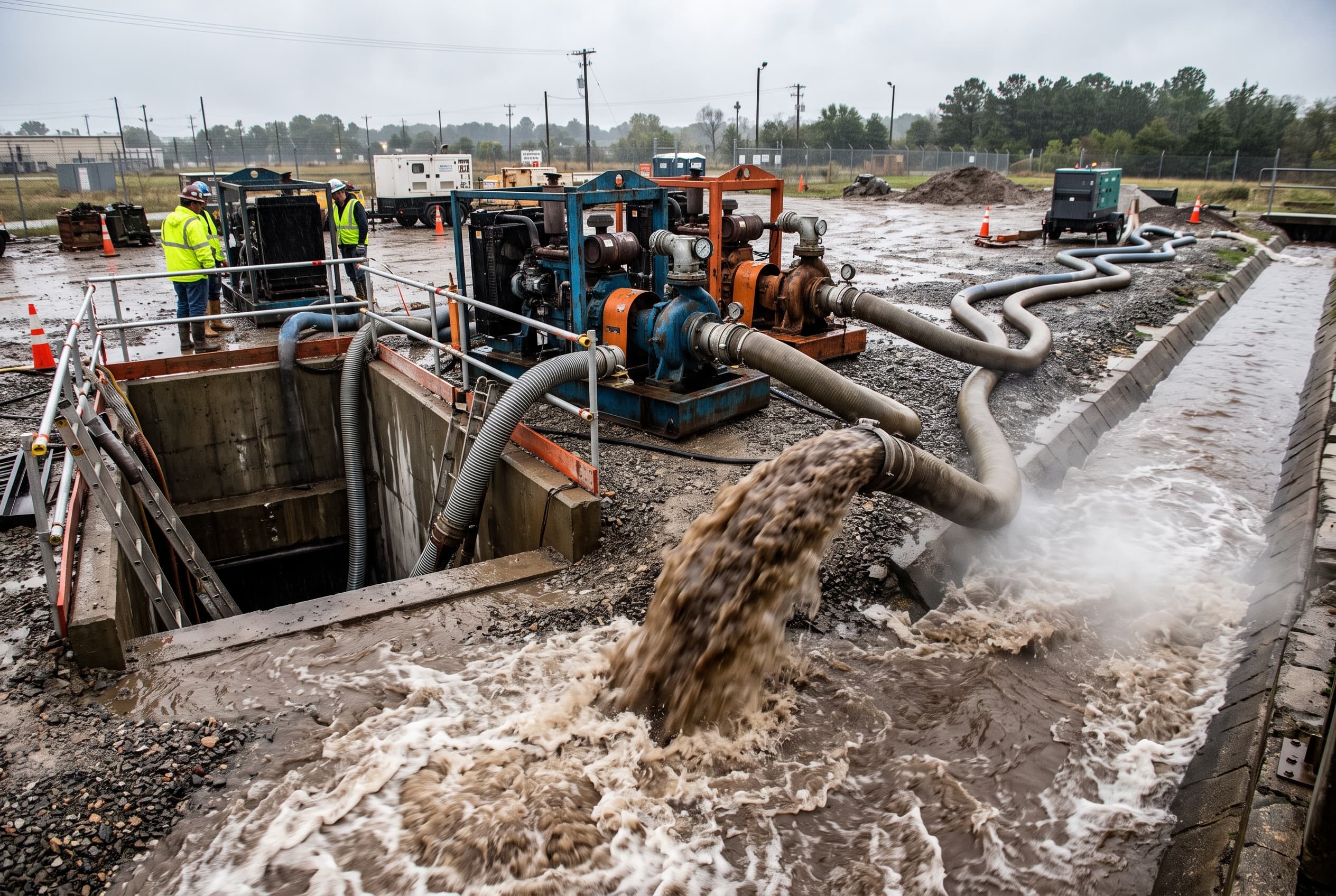
AI Image Disclaimer: Graphics are AI-generated and intended for representation, not reality.
Sources: Associated Press Euronews Financial Times Le Monde
Published by Banx Network. This article is part of the Banx decentralized media programme, powered by the BXE token on the XRP Ledger.