The commercial markets of Rubavu have long functioned as vibrant hubs of cross-border vitality, situated where the urban rhythm of the lakeside district meets the vast economic currents of the frontier. Within these crowded squares, wooden stalls and canvas awnings are packed tightly together, creating a dense labyrinth where merchants store everything from textiles and electronics to tons of agricultural produce. It is an environment built on daily momentum, where families invest their life savings into tangible inventory, transforming modest stalls into pillars of domestic stability. The air here is normally thick with the sounds of commerce, defined by the constant, reassuring bustle of trade that links communities across the region.
That vital economic landscape was dramatically altered during the quiet hours of the night when a sudden, aggressive fire took root within the central market complex. The blaze originated deep within one of the internal commercial sectors, fueled by the highly combustible materials used to construct the stalls and the dense concentrations of consumer goods stored inside. Driven by a light breeze coming off the lake, the flames spread with an unyielding velocity, leaping across narrow pedestrian alleys and engulfing entire rows of shops within minutes. The architecture of the market, designed for accessibility rather than fire containment, offered no resistance to the advancing inferno.
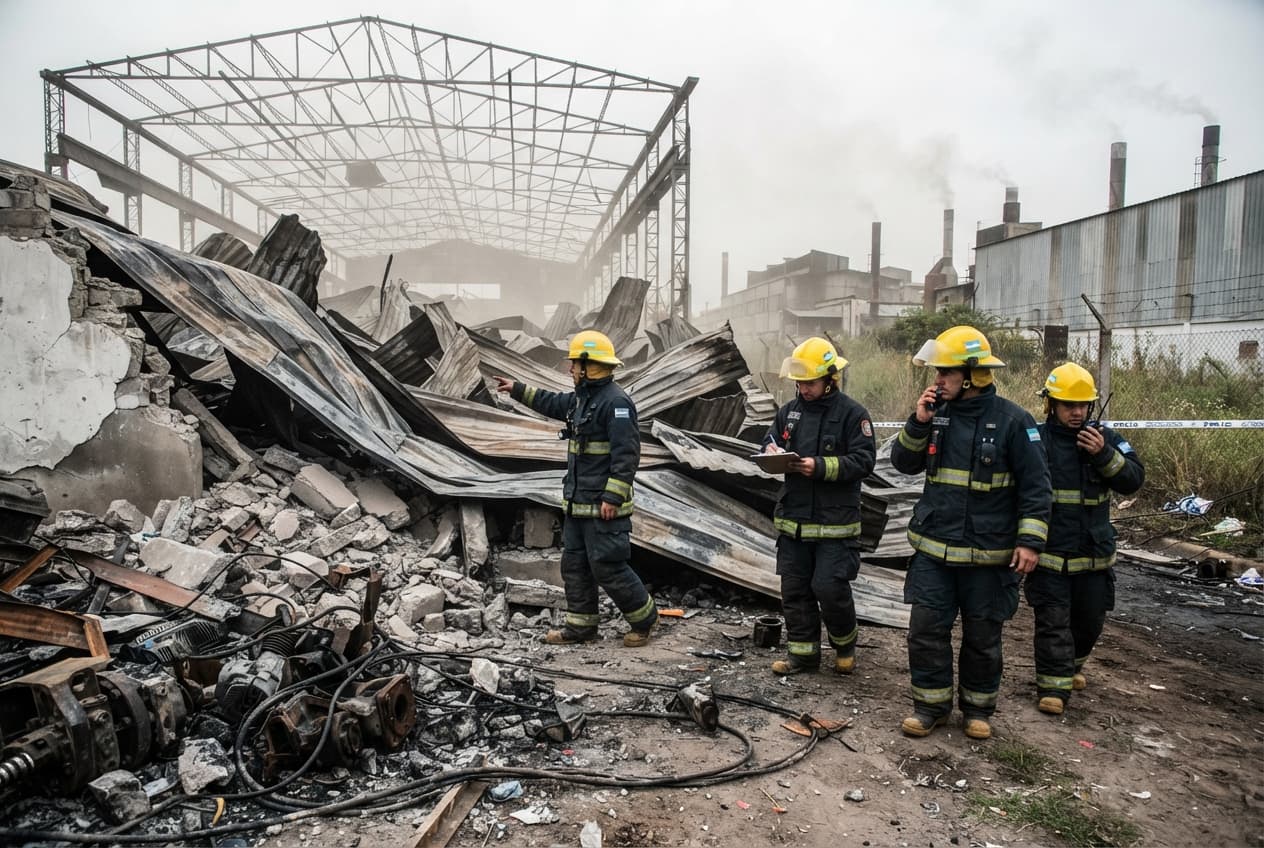
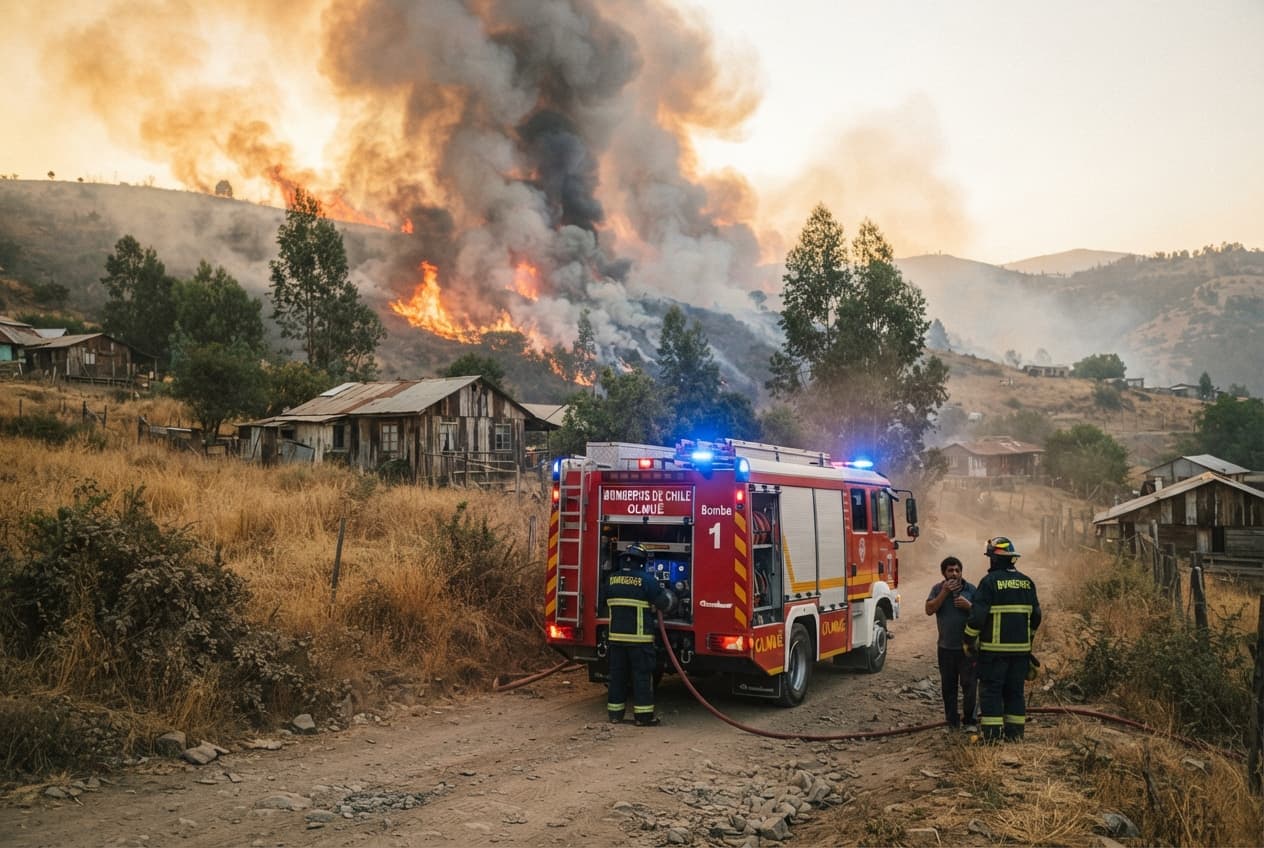
By the time the first emergency response units arrived at the scene, the central marketplace had been transformed into a sprawling cauldron of orange flame and thick, black smoke that climbed high into the night sky. Firefighters and local volunteers worked under treacherous conditions, attempting to establish defensive perimeters and salvage inventory from the edges of the advancing heat. The sound of collapsing timber roofs and the pop of burning materials echoed through the surrounding residential quarters, drawing anxious shop owners to the perimeter, where they could only watch the systematic erasure of their livelihoods.
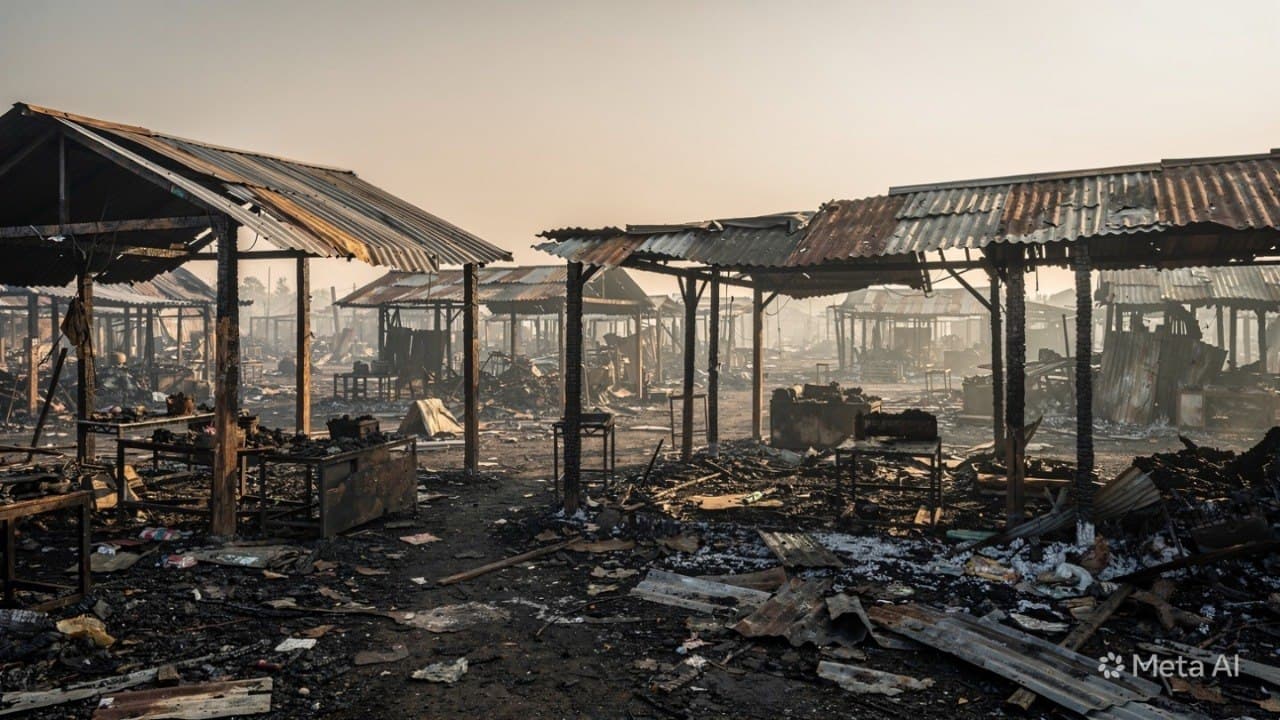
In the cold light of the following morning, the true scale of the devastation became visible against the charred landscape of the district. Tons of valuable goods had been reduced to smoldering mounds of gray ash, and hundreds of independent market stalls were left as nothing more than blackened, twisted skeletons of wood and corrugated iron. Local administrative bodies have initiated an immediate census of the affected merchants to assess the total economic loss and coordinate emergency relief measures. The incident highlights the persistent vulnerability of traditional commercial centers to catastrophic fire events, leaving a community to rebuild its economic foundation from the ground up.
Published by Banx Network. This article is part of the Banx decentralized media programme, powered by the BXE token on the XRP Ledger.