

Key Highlights
- Kenya and Tanzania have raised port tariffs, impacting trade costs.
- The changes affect logistics and pricing for regional traders.
- Increased fees aim to support modernization of port infrastructure.
The East African coast, known for its bustling harbors, is currently experiencing significant shifts in its trade dynamics due to recent tariff increases implemented by both Kenya and Tanzania. These changes, which have raised costs for various port services, are prompting traders and logistics operators to reassess their strategies and pricing models in response to the evolving landscape.
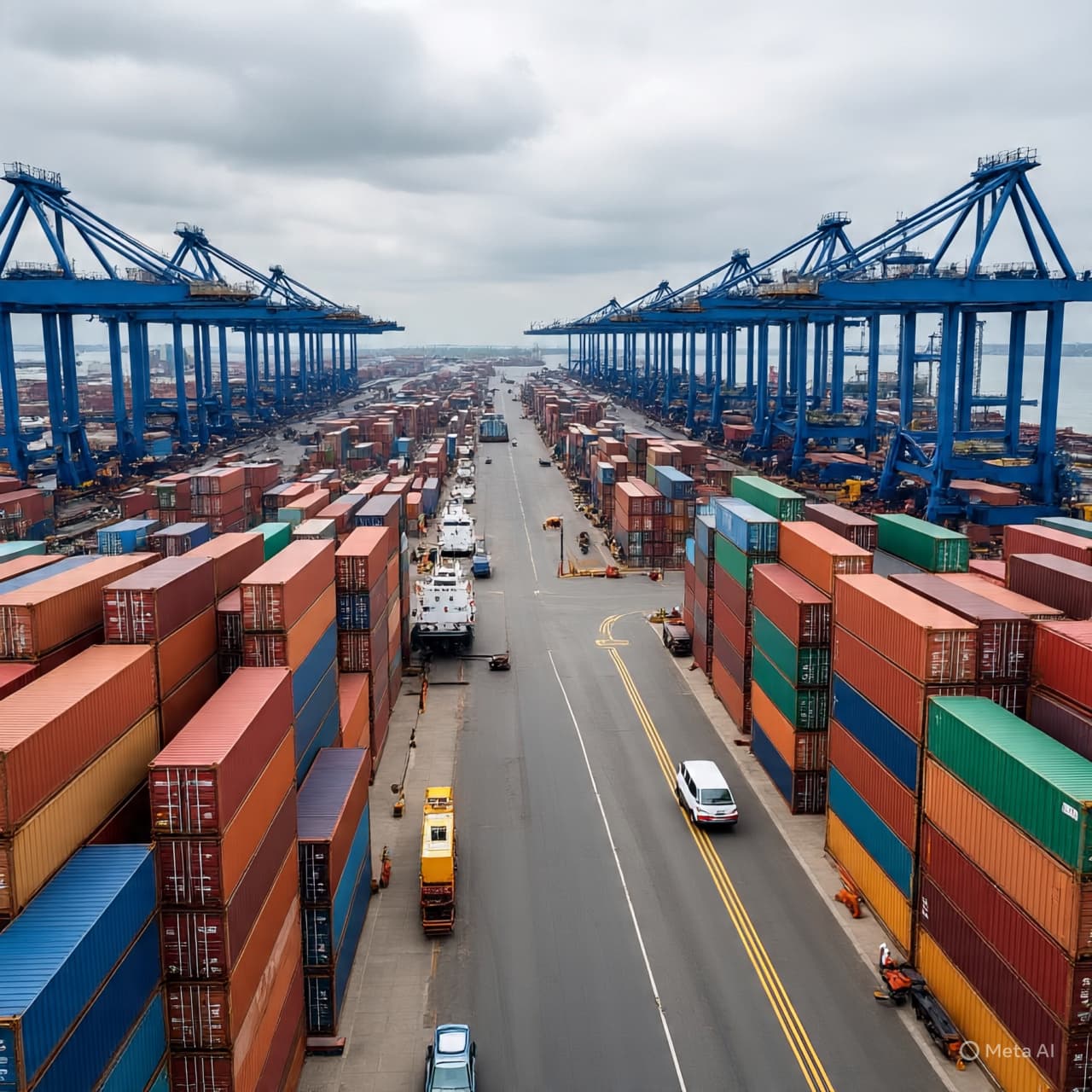
Earlier this year, the Kenya Ports Authority introduced revised tariffs that increased fees for licensing, cargo handling, vessel services, and documentation. These adjustments are part of a broader effort to modernize operations and improve infrastructure at key coastal gateways. However, the immediate effect has been a rise in costs for freight companies and clearing agents, which in turn is expected to elevate the prices of goods transported through Mombasa, one of the region's busiest ports.
Simultaneously, the Tanzania Ports Authority has also adjusted its sea-port tariff schedule, raising service fees by 2 to 15 percent. This increase affects not only Tanzanian commerce but also transit cargo destined for neighboring countries such as Uganda, Rwanda, Burundi, and the Democratic Republic of the Congo. The ripple effects of these tariff hikes are felt across the entire East African logistics sector, where port managers and freight forwarders are grappling with the implications of rising costs amid increasing cargo volumes and persistent congestion.
In the past year, ports like Mombasa and Dar es Salaam have handled millions of tonnes of cargo, reflecting the growth of regional trade. However, the human side of this trade — small-scale importers, manufacturers, and exporters — is where the impact of these tariff increases is most acutely felt. For instance, manufacturers in Kenya have voiced concerns that the combination of higher port costs and congestion is disrupting their production cycles, leading to increased landed costs for essential inputs and output goods.
As traders navigate these changes, they are faced with the challenge of adapting to rising tariffs. Freight forwarders and clearing agents are considering whether to reroute cargo, implement stricter cost-management practices, or collaborate more closely with port stakeholders to mitigate delays and congestion. The adjustments in tariffs are not merely administrative; they represent a significant shift in the operational landscape of East African trade.
The broader conversation surrounding these tariff increases highlights the delicate balance between the need for ports to finance ongoing modernization and the necessity of maintaining accessible and predictable trade corridors. Both Kenya and Tanzania are under pressure to enhance their marine gateways to accommodate growing demand and align with regional integration goals. However, industry voices caution that abrupt or steep cost increases could undermine progress in regional trade facilitation and economic connectivity.
As both countries implement these revised tariffs, traders are recalibrating their logistical planning and pricing strategies. Port authorities assert that these measures are essential for long-term improvements in infrastructure and service quality. Nevertheless, the implications for trade flows and costs remain a focal point of concern for stakeholders across the region.
In this moment of transition, the adjustments in tariffs serve as a reminder of the interconnectedness of global commerce and local livelihoods. Each fee and charge resonates beyond the docks, influencing the economic fabric of communities throughout East Africa.
Published by Banx Network. This article is part of the Banx decentralized media programme, powered by the BXE token on the XRP Ledger.




