There are chapters in a nation’s economic story that unfold like quiet tides against a distant shore — measured yet powerful, barely noticed until the water reaches higher than it ever has before. In the corridors of budgetary projection and fiscal foresight, the latest report from the nonpartisan Congressional Budget Office (CBO) feels much like such a tide: steady, unrelenting, and carrying implications that stretch far into the coming decade. This latest forecast, released in mid-February, shows the United States on a debt path that moves into territory uncharted by recent history, an arc that reaches far beyond familiar markers and raises new questions about the nation’s financial compass.
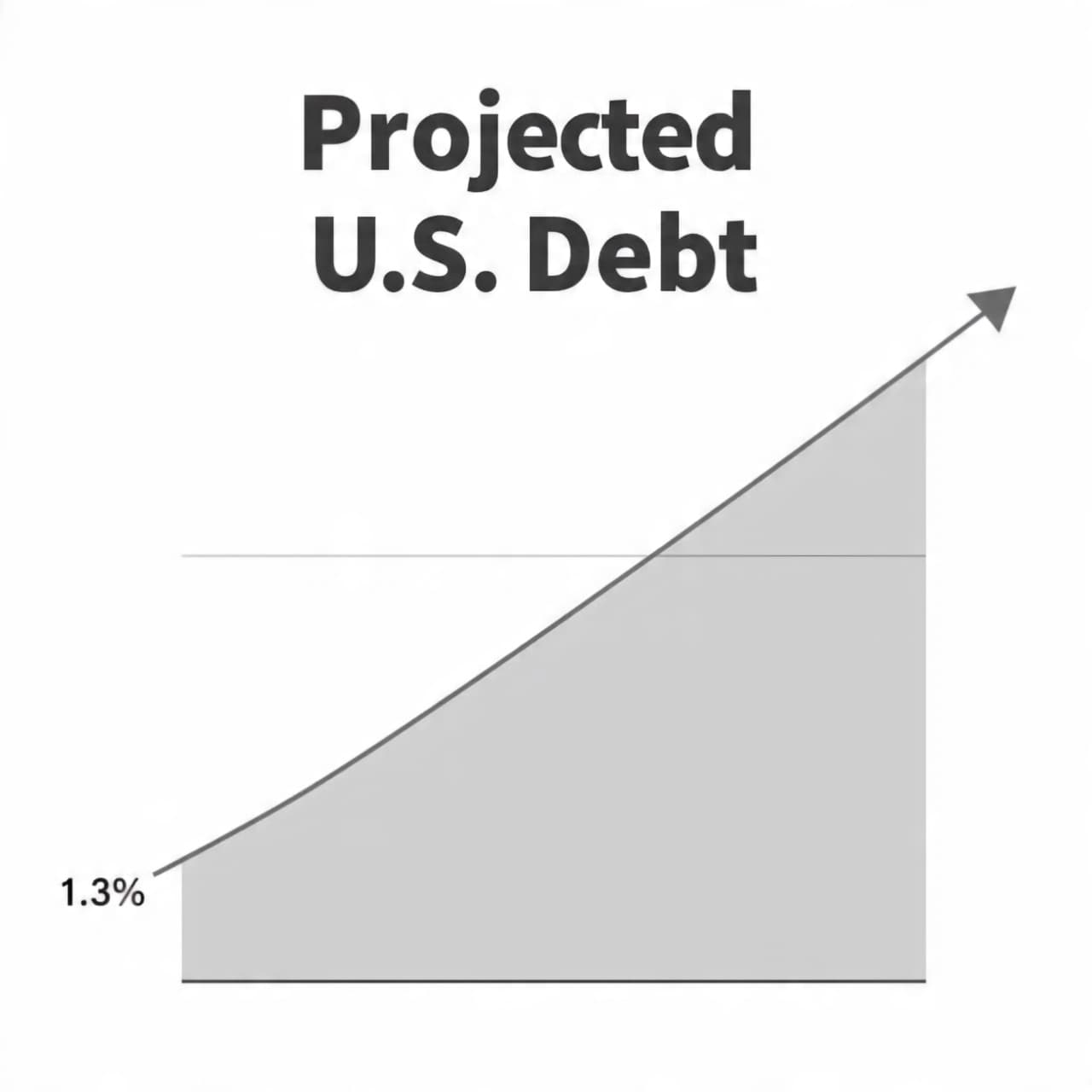
Within the numbers lies a story that is both technical and deeply human. At its heart, the CBO projects that federal debt held by the public — the accumulation of past borrowing — will grow from about 100 percent of GDP today to roughly 120 percent by 2036, a level that eclipses post-World War II records and reshapes expectations about fiscal norms. Over the next decade, deficits — the yearly gaps between spending and revenues — are forecast to widen to an average well above historical averages, reflecting the combined effects of demographic trends, interest costs that climb faster than salaries or growth, and a spending profile that grows faster than it brings in receipts.
Against this backdrop, trade policy — and specifically the fate of tariffs enacted in recent years — now figures into the narrative as more than a footnote. Tariff revenues, which once stood as a temporary offset to growing deficits, have lost some of that counterbalancing power after legal challenges and changes in policy recalibrated expectations. Earlier projections suggested tariffs might reduce deficits by several trillion dollars over a decade, but revisions from the CBO and other analysts indicate this benefit will be more modest than once thought, especially if some tariffs are reversed or ruled invalid by courts.
The potential shrinking of tariff receipts — combined with tax cuts and new policy measures that expand spending — tilts the ledger further toward borrowing and higher interest costs. Interest outlays alone, driven by the sheer size of accumulated debt, are expected to more than double over the coming decade, drawing resources toward debt service that might otherwise support infrastructure, education, or health care. In essence, even a modest shift in one revenue component like trade duties can unfurl larger effects when viewed against the broader fiscal tapestry.
For everyday observers and policymakers alike, the meaning of these projections is not just in abstract GDP percentages or deficit figures. They reflect choices about how a nation funds the obligations it has already made, how it balances investment against indebtedness, and how it prepares for a future shaped by aging populations and global economic pressures. The reflecting surface of this report invites a thoughtful look at what priorities underpin these fiscal patterns and what might be done to alter the course ahead.
Looking forward, lawmakers will face decisions that touch the core of fiscal stewardship: whether to rein in structural deficits, revisit tax and spending policies, or find new means to support revenue. As this fiscal tide gently rises in the projections, it serves as a reminder that planning for tomorrow often requires balancing immediate pressures with long-term stability — an exercise in foresight as much as arithmetic.
In straight numbers, the CBO report shows national debt rising to historically high levels in the coming decade, with deficits remaining elevated. Adjustments to tariff policies are likely to reduce some projected revenues, making the fiscal outlook more challenging. Interest costs will grow alongside debt, and budgetary decisions in Congress and the White House will shape how these projections evolve in future years.
AI Image Disclaimer (Rotated Wording) “Illustrations were produced with AI and serve as conceptual depictions.”
Source Check — Credible News Outlets Reporting This Fortune — analysis of CBO outlook & tariff impact on debt trajectory PBS NewsHour — CBO projections of worsening deficits & debt AOL News — warnings on debt spiral & fiscal risks Committee for a Responsible Federal Budget (CRFB) analysis — context on CBO projections Investing.com (Reuters summary) — CBO’s revised tariff impact on deficits
Published by Banx Network. This article is part of the Banx decentralized media programme, powered by the BXE token on the XRP Ledger.