

Key Highlights
- Xi Jinping emphasizes loyalty from military officials amid a purge.
- The anti-corruption campaign has led to the dismissal of several senior commanders.
- China’s defense budget is set to increase by 7% for military modernization.
In a significant political maneuver, Chinese President Xi Jinping has called for unwavering loyalty from military officials during a period marked by a sweeping purge of senior commanders. This call comes as part of a broader anti-corruption campaign that has already seen the removal or investigation of numerous high-ranking officers within the People’s Liberation Army (PLA).
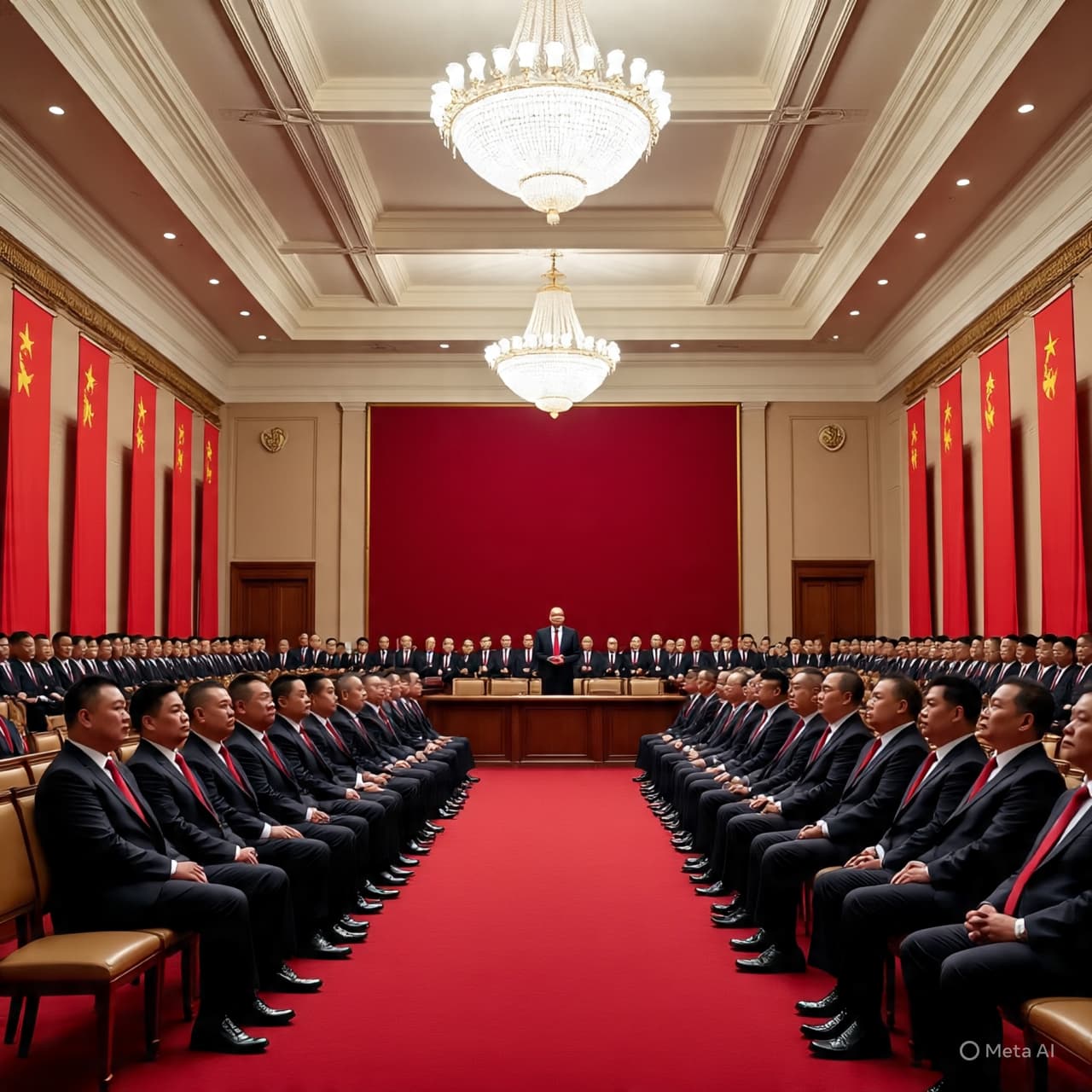
During the annual “Two Sessions” political meetings, Xi underscored the necessity for the armed forces to remain steadfastly loyal to the Communist Party. He warned that corruption and disloyalty would not be tolerated, emphasizing the need for strict discipline within the military ranks. This message is particularly resonant given the ongoing reshuffling of military leadership, which analysts describe as one of the most extensive in decades.
The recent wave of dismissals has raised eyebrows, as several generals from various branches of the military—including the army, navy, air force, and rocket force—have lost their positions in national political bodies. Some of these changes occurred during the critical preparations for the annual legislative sessions, a time when the government outlines its priorities for the upcoming year. This timing suggests a calculated effort to reinforce loyalty and discipline at a pivotal moment in China's political calendar.
Xi's anti-corruption drive has been a hallmark of his leadership since he took office over a decade ago, reshaping various sectors of the government and military. However, the scale of the recent actions within the armed forces has drawn particular attention, signaling a dual focus on enforcing discipline while ensuring that military leadership remains closely aligned with the political leadership of the country.
The military's unique position within China's governance structure—being directly under the Communist Party rather than the state—adds layers of complexity to the concept of loyalty. In this context, loyalty is not merely a professional obligation but carries significant political weight, reinforcing the party's authority over the armed forces.
As the government continues to emphasize military modernization, it has announced a defense budget increase of approximately 7% for the coming year. This investment reflects ongoing efforts to enhance capabilities and advance technological development within the PLA, even as it undergoes significant internal restructuring. The juxtaposition of a growing military budget alongside a major purge illustrates a complex dynamic: a military that is expanding its resources while simultaneously navigating a turbulent internal landscape.
Analysts interpret these developments in various ways. Some view the purge as Xi's strategy to cultivate a highly disciplined and modern military capable of achieving strategic objectives in the coming decade. Others see it as a means of consolidating political power, reinforcing centralized authority within both the party and the military.
Regardless of interpretation, the message from Beijing is clear: loyalty and discipline are paramount in shaping the future of the military. As the anti-corruption campaign continues, further personnel changes are likely as investigations unfold. The currents of power within the PLA remain in flux, reflecting the broader political landscape of China.
Published by Banx Network. This article is part of the Banx decentralized media programme, powered by the BXE token on the XRP Ledger.




