
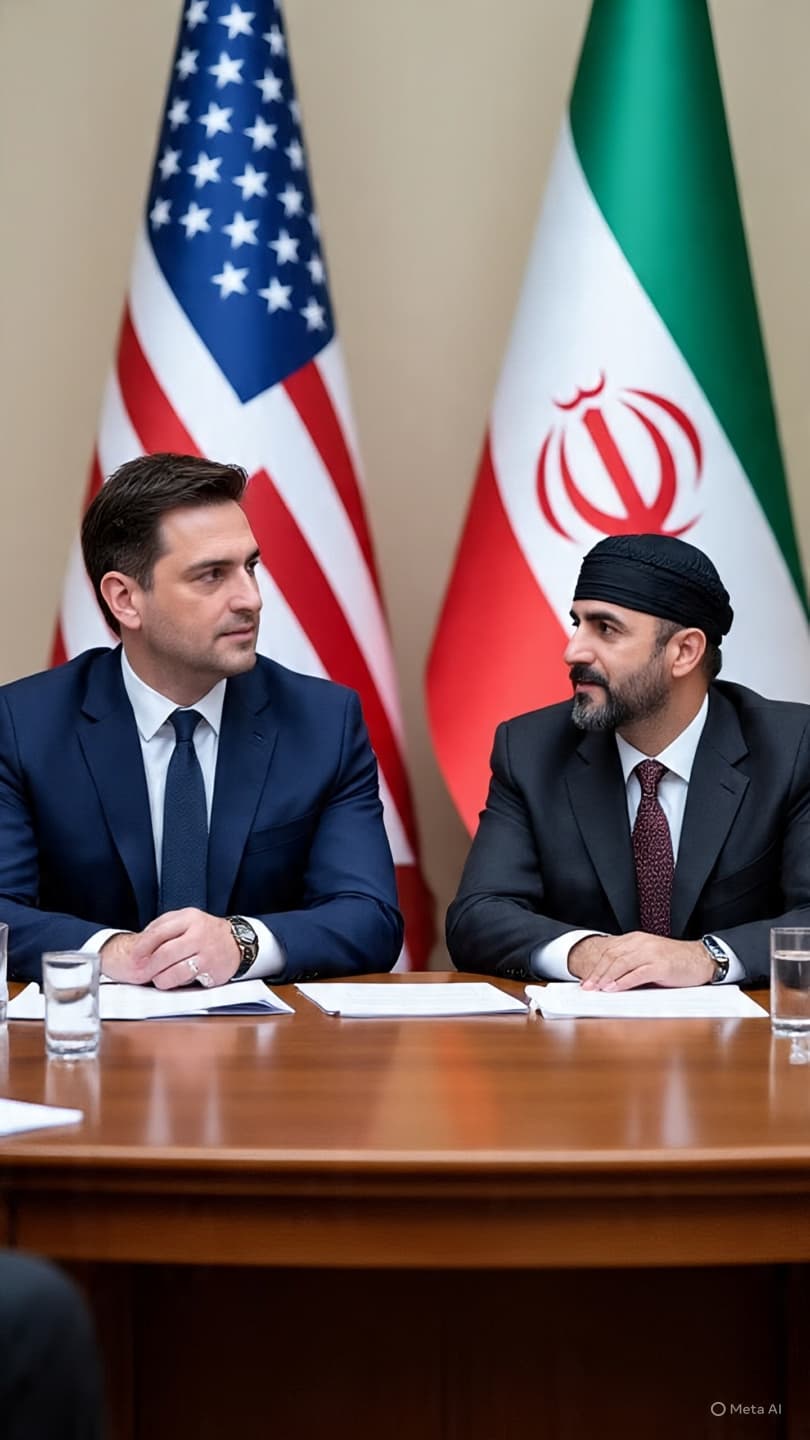
Key Highlights
- Upcoming Talks:The US and Iran are set to resume negotiations this week.
- Focus Areas:Discussions will center on nuclear agreements, sanctions relief, and regional stability.
- Global Impact:The outcome may influence energy markets and geopolitical alignments.
[Negotiation Context] Negotiations, like tides, often return to the shore after retreating into silence. Each wave carries remnants of previous attempts, reshaped by time and circumstance. This week, the United States and Iran prepare once again to step into that familiar rhythm of dialogue. Reports confirm that both nations are set to resume talks within the week, marking another chapter in a long and complex diplomatic relationship.
The discussions are expected to focus on key issues such as nuclear agreements, sanctions relief, and regional stability. The history between the United States and Iran has been defined by cycles of tension and negotiation. Agreements have been reached, challenged, and revisited over the years, reflecting the evolving priorities of both sides. The upcoming talks signal a continued willingness to engage despite persistent differences.
[Significance of Timing] Observers note that the timing of these negotiations is significant. Global attention remains fixed on energy markets and geopolitical alignments, making any progress—or setback—potentially impactful beyond bilateral relations. The outcome could influence economic conditions in various regions, particularly as energy prices fluctuate in response to geopolitical tensions.
Both countries have expressed cautious optimism, emphasizing the importance of constructive dialogue. While expectations remain measured, the continuation of talks itself is seen as a positive indicator of diplomatic openness. The willingness to engage in discussions, even amidst longstanding disagreements, reflects a commitment to finding common ground.
[International Stakeholders] International stakeholders, including European nations and regional actors, are closely monitoring the developments. Their interests often intersect with the outcomes of US-Iran relations, particularly in areas such as trade, security, and non-proliferation. The involvement of these stakeholders adds another layer of complexity to the negotiations, as their perspectives and priorities may influence the discussions.
[Challenges Ahead] The negotiation process is expected to involve technical discussions as well as broader political considerations. Experts highlight that achieving consensus will require compromise, patience, and sustained engagement. The challenges are significant, given the historical context of mistrust and differing national interests.
[Looking Forward] For now, the focus remains on the act of returning to the table. In a landscape often marked by division, the willingness to converse represents a step toward understanding, even if the path ahead remains uncertain. As the week unfolds, the world watches quietly—not for dramatic declarations, but for subtle shifts that may signal progress. In diplomacy, even the smallest movement can ripple outward, shaping the course of future relations.
Published by Banx Network. This article is part of the Banx decentralized media programme, powered by the BXE token on the XRP Ledger.



