

Key Highlights
- Former President Trump questioned U.S. military involvement in Iran.
- His comments sparked backlash from lawmakers and military families.
- Trump urged other nations to take responsibility for regional security.
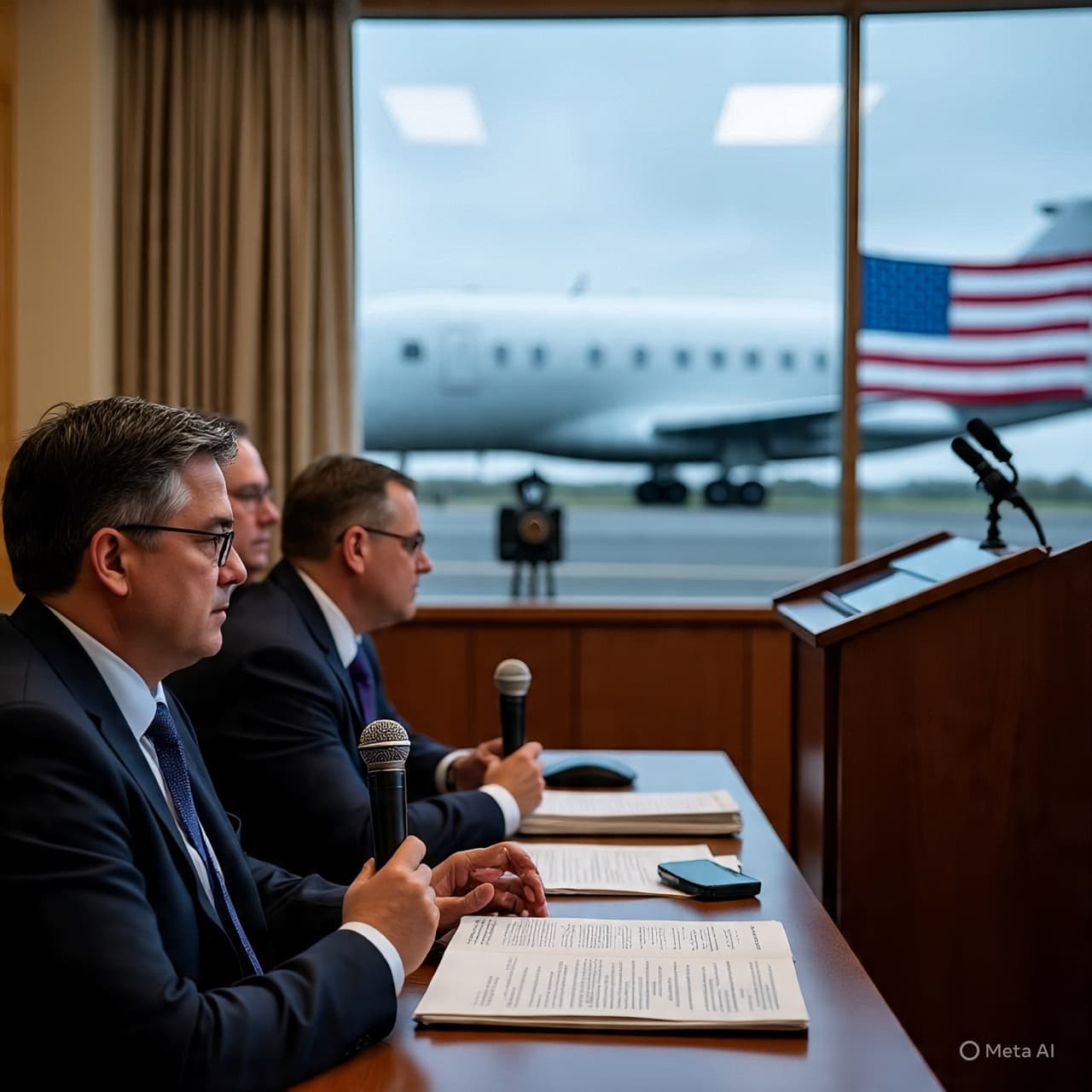
In recent remarks aboard Air Force One, former President Donald Trump raised eyebrows by questioning the United States' ongoing military involvement in Iran. His statement, "Maybe we shouldn’t even be there," resonated with many who have grappled with the complexities of U.S. foreign policy. This moment of reflection comes at a time when the implications of military engagement are felt not just on the battlefield but also in the hearts of families who have lost loved ones to conflict.
Trump's comments have ignited a firestorm of reactions. For some, it was a refreshing acknowledgment of the doubts that linger in the minds of many Americans regarding prolonged military engagements. However, for families of service members who have made the ultimate sacrifice, the statement served as a painful reminder of the human cost of war. The emotional weight of such losses cannot be quantified, and Trump's remarks have prompted both grief and frustration among those who have experienced the harsh realities of military conflict.
In addition to questioning U.S. involvement, Trump has called on other nations to take a more active role in securing vital waterways, particularly the Strait of Hormuz, through which a significant portion of the world's oil supply flows. This call for shared responsibility reflects a broader shift in U.S. foreign policy, suggesting that the traditional patterns of American military engagement may need to be reassessed. As the global landscape evolves, the need for collaborative security efforts becomes increasingly apparent.
The political landscape in Washington is far from unified on this issue. Some lawmakers have distanced themselves from Trump's comments, expressing concerns about the implications of withdrawing or reducing U.S. military presence in the region. They argue that a strong American presence is essential to counter perceived threats and maintain international stability. Conversely, others support a reevaluation of U.S. military commitments, advocating for a more measured approach that prioritizes diplomatic solutions over military action.
As the dialogue surrounding U.S. involvement in Iran continues, it is clear that words hold significant power. The reflections of leaders can shape public opinion and influence policy decisions, prompting citizens and lawmakers alike to reconsider their positions on military engagement. The ongoing debate underscores the complexities of global affairs, where the balance between national security and humanitarian considerations remains a delicate one.
In summary, Trump's recent remarks have sparked a critical conversation about the future of U.S. military involvement in Iran. As the nation grapples with the implications of these comments, the dialogue will likely evolve, reflecting the diverse perspectives of those affected by the realities of war and peace.
Published by Banx Network. This article is part of the Banx decentralized media programme, powered by the BXE token on the XRP Ledger.




