
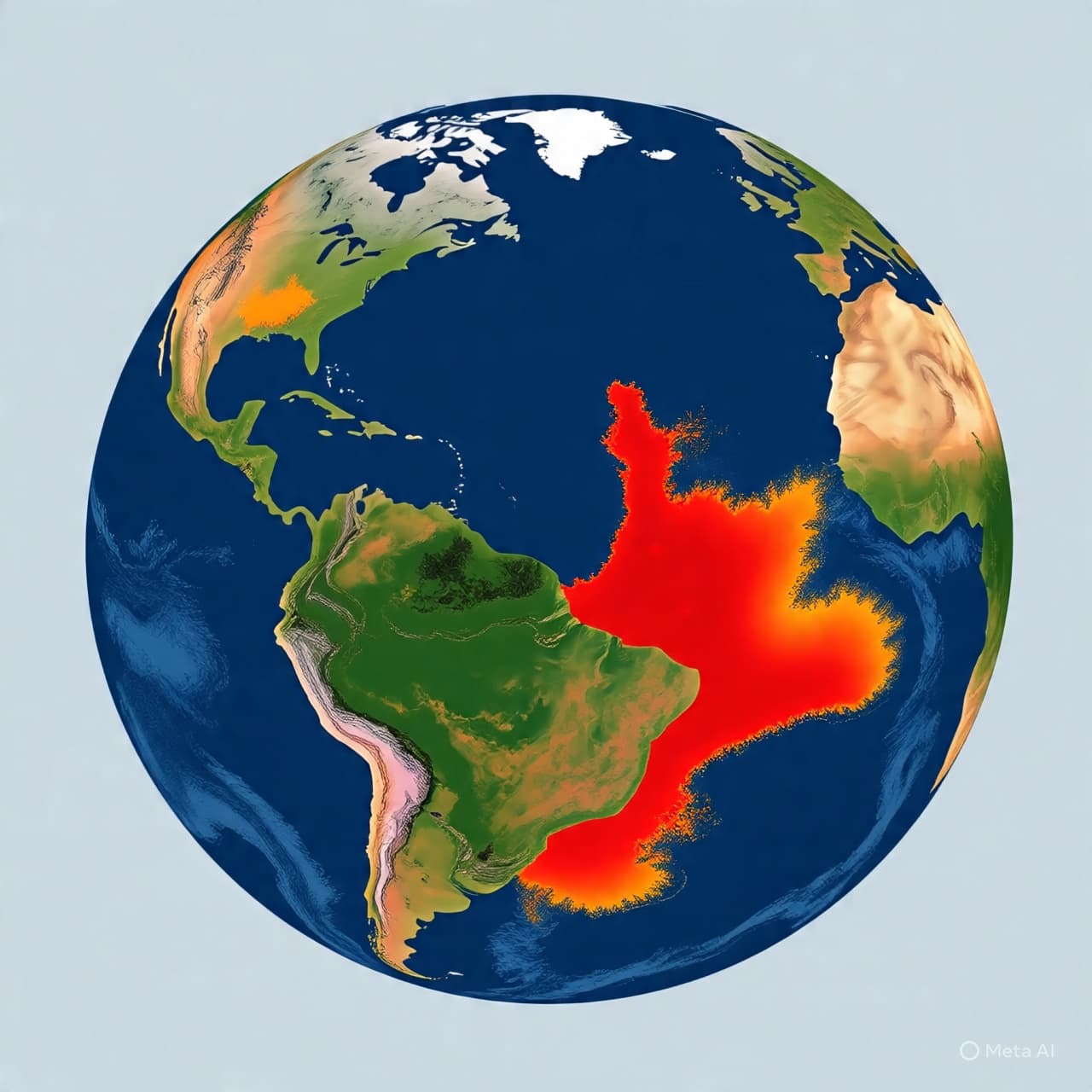
Key Highlights
- Ocean heat content reached record levels in 2025.
- Warm oceans influence weather systems and storm intensity.
- Long-term warming trends are linked to human activity.
The Earth's oceans, often referred to as the planet's climate regulator, are undergoing a significant transformation. In 2025, ocean heat content surged to unprecedented levels, marking a pivotal moment in the ongoing battle against climate change. This hidden warmth, absorbed over years, is not merely a statistic; it represents a vast reservoir of energy that has the potential to reshape weather patterns and intensify storms across the globe.
Recent studies reveal that the ocean's heat content, which measures the total heat stored down to nearly two kilometers below the surface, reached levels unmatched in the era of modern measurement. This alarming trend is primarily driven by the accumulation of greenhouse gases in the atmosphere, which trap heat and direct much of it into the oceans. As a result, the oceans have become a critical player in the climate crisis, absorbing more heat than ever before.
The implications of this warming are profound. Warm oceans act as heat engines for the atmosphere, releasing moisture and energy that can supercharge weather systems. As ocean temperatures rise, they contribute to increased humidity and warmth in the air above, creating conditions ripe for extreme weather events. Each degree of warming enhances the potential for heavier rainfall and stronger winds, leading to more intense storms and cyclones.
In 2025, the effects of this accumulated warmth were felt worldwide, with numerous weather anomalies and extreme events reported. From unusually intense tropical cyclones to unprecedented rainfall patterns, the fingerprints of a warmer ocean are evident in the changing climate. These shifts not only disrupt ecosystems but also pose significant risks to communities that are increasingly vulnerable to the impacts of climate change.
The long-term consequences of ocean warming extend beyond immediate weather events. Oceans are adept at storing heat, meaning that the energy absorbed today can influence global circulation patterns, rainfall distribution, and storm formation for years to come. This interconnectedness within the planet's climate system serves as a stark reminder that the effects of our actions today will resonate far into the future.
As researchers continue to explore the complexities of ocean heat and its implications, the message is clear: the warmth held in our oceans may be invisible, but its influence on the atmosphere and human life is increasingly tangible. This reality urges us to reflect on our collective responsibility in addressing climate change and to consider how we can adapt to a warming planet.
The urgency of understanding these changes cannot be overstated. As we navigate the challenges posed by a warming climate, it is essential to prioritize scientific research and policy initiatives that address the root causes of greenhouse gas emissions. Only through concerted global efforts can we hope to mitigate the impacts of ocean warming and protect our planet for future generations.
Published by Banx Network. This article is part of the Banx decentralized media programme, powered by the BXE token on the XRP Ledger.



