There is a particular irony in the tools of the future being turned to the oldest of trades—a convergence in which the technologies designed to connect and create are being repurposed to deceive and conceal. In Australia, authorities have identified a growing pattern: organized crime groups are using artificial intelligence to streamline their global drug-trafficking operations, creating fake documents, identities, and business records to facilitate large-scale imports and money laundering. The technology that promised to transform legitimate industry is, with equal efficiency, transforming the underworld.
Acting Australian Federal Police Assistant Commissioner Donna Parsons described the shift in stark terms. “The growing accessibility of AI technology is enabling criminal networks to operate more efficiently and adapt more quickly to disruption efforts by law enforcement agencies” . The tool is not merely a convenience; it is a force multiplier. Networks use AI to generate convincing fake images, audio, and online profiles, to analyze publicly available information and identify vulnerabilities in law enforcement methods, and to recruit vulnerable individuals through targeted social media engagement .
The scale of the problem is reflected in the seizures. Authorities have seized more than 17 tonnes of illicit drugs in the Pacific this year alone—almost four times the amount seized in 2025—with the Pacific becoming the preferred trafficking route for cartels targeting Australia’s lucrative market . In June, a single operation resulted in the seizure of 2.7 tonnes of cocaine, the largest in Australian history . AFP Commissioner Krissy Barrett has linked these operations directly to violence on Australian streets. “These shootings and violence are often the result of organised crime groups onshore or overseas fighting for dominance and power because of the obscene profits they are making from illicit drugs in Australia,” she said .
What makes the AI dimension particularly concerning is its role in recruitment. Parsons warned that organized crime groups are leveraging AI-enabled social media content and targeted online engagement to recruit vulnerable individuals—including children—as couriers and money mules . In Sydney, more than 850 people, most of them children and young men, have been arrested under Taskforce Falcon, which was established to combat gangland conflicts. Police believe many of the crimes are being contracted by exiled organized crime figures based overseas, who recruit and task individuals remotely and at scale . “Young people can be directed to engage in criminal activity without ever meeting the person coordinating it,” Parsons said .
The financial dimension is equally sophisticated. Enhanced technology is allowing criminals to launder funds through cryptocurrency and complex financial networks, while encrypted communications platforms and AI are used to coordinate activities, automate processes, and conceal identities . Professor Toby Walsh of the University of New South Wales’ AI Institute described the situation as a “double-edged sword,” noting that the same tools with bad intent can be used for harm as much as for good . He called for more guardrails, suggesting that the companies producing AI tools may need to be held more liable for the harms of their products .
For Australian law enforcement, the challenge is one of adaptation. The AFP’s work to combat the criminal use of AI is ongoing, but the technology is evolving faster than the regulatory and enforcement frameworks designed to contain it. The underworld has found a new engine, and it is running quietly, in the background, generating the documents and identities and connections that allow the old trades to continue—at greater speed, greater scale, and with less risk of detection than ever before.
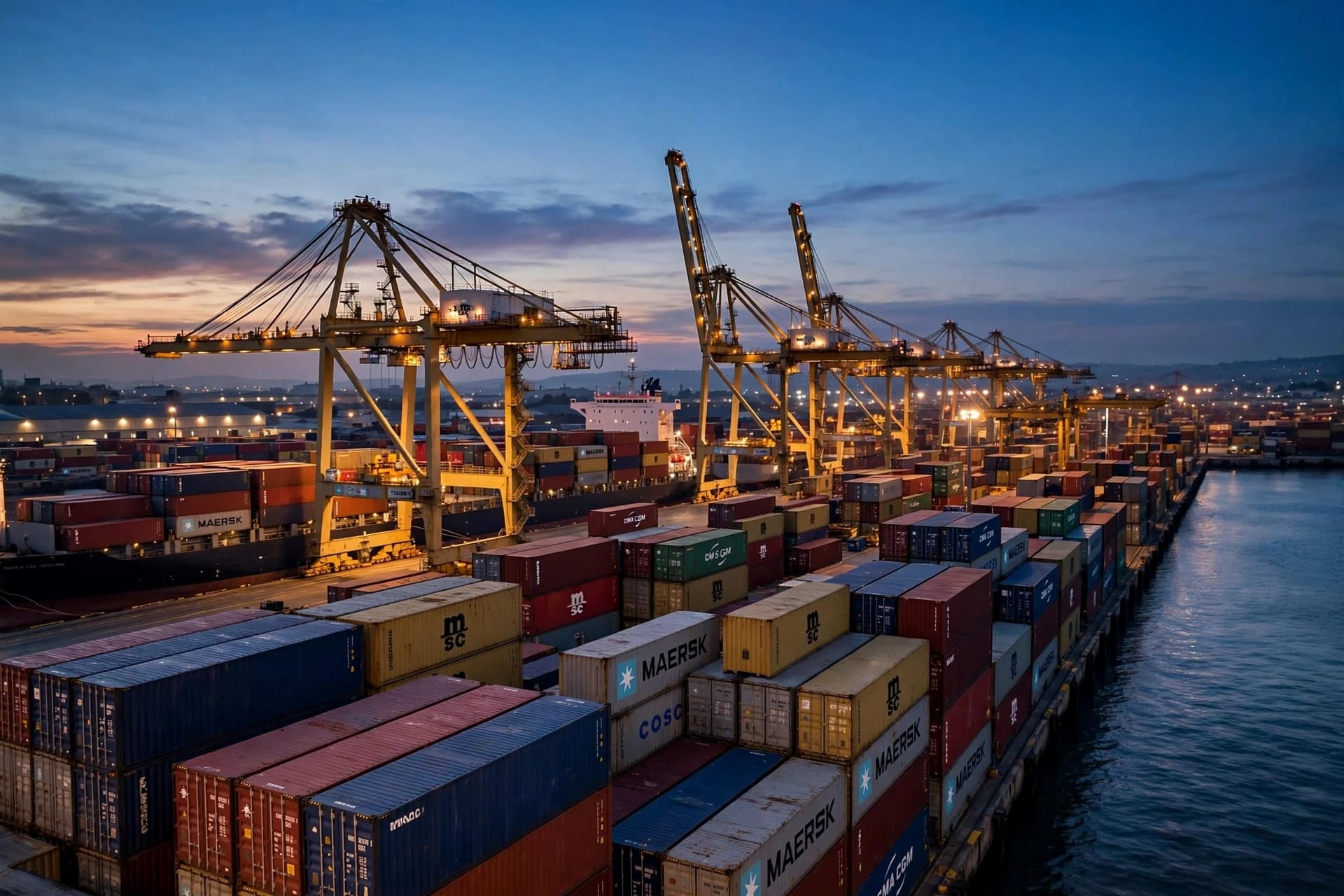
AI Image Disclaimer: The images accompanying this article were generated by artificial intelligence and are for illustrative purposes only.
Sources: Brisbane Times, Sydney Morning Herald, Herald Sun
Published by Banx Network. This article is part of the Banx decentralized media programme, powered by the BXE token on the XRP Ledger.