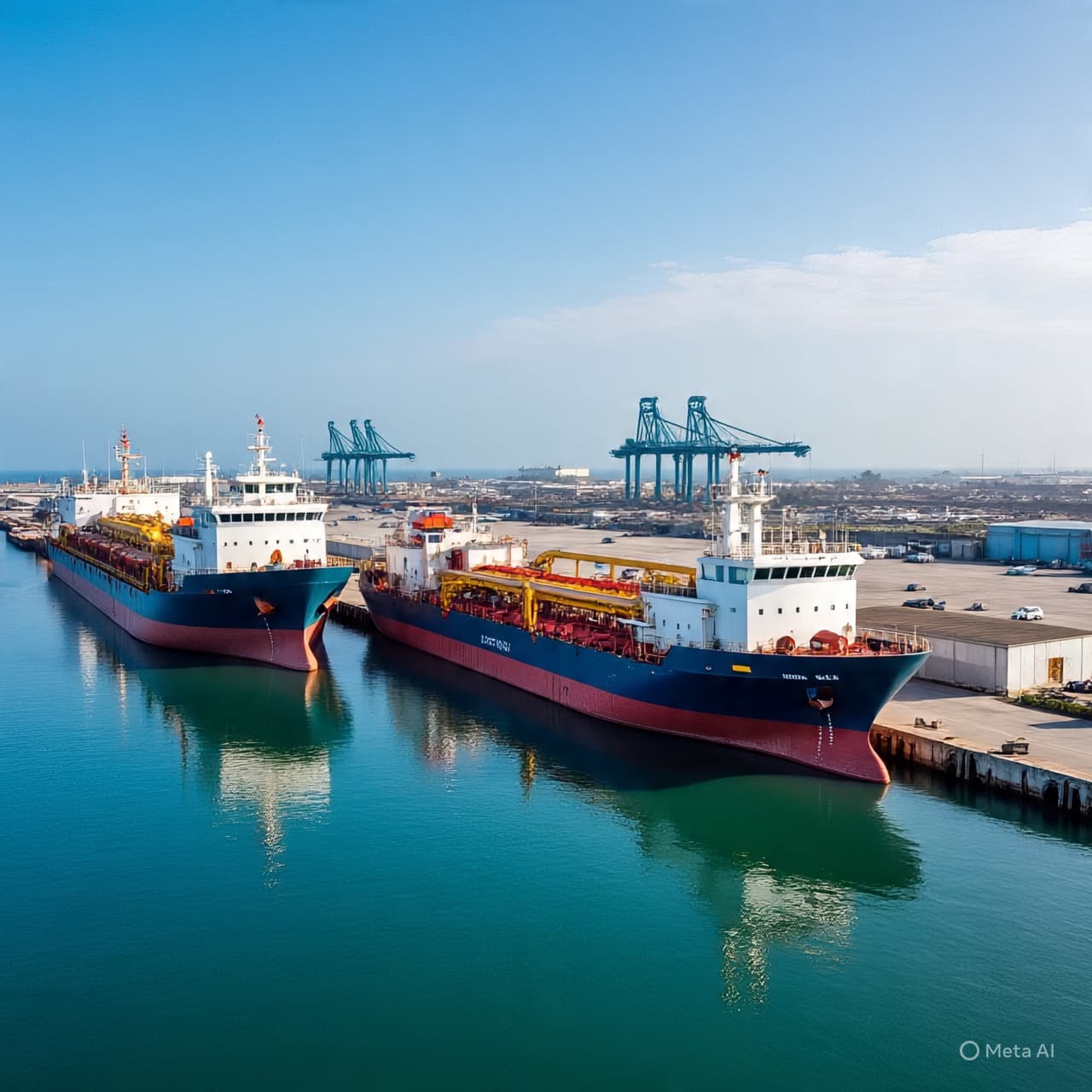
In the shifting currents of Venezuela’s oil trade, recent movements at sea have drawn renewed attention. State oil company PDVSA said that at least six oil tankers that left Venezuelan waters in early January have since been spotted back in its territorial waters.
The vessels, most of them loaded with crude or fuel, had departed amid what observers describe as a partial U.S. naval blockade and remaining export pressures. Some of the tankers were reported to have switched off their transponders — a tactic known as “dark mode” — while navigating beyond the country’s coast. After several days at sea, however, monitoring services and PDVSA noted that the six ships had returned to Venezuelan waters.
The return of these tankers occurs against a backdrop of broader tension around Caracas’s oil exports. The United States administration has maintained restrictive measures on Venezuelan oil shipments, aiming to limit revenue flowing to state coffers amid unresolved political upheaval. At the same time, Venezuela has sought ways to move crude and fuel despite the pressures, including through tactical navigation and negotiations with international trade houses.
In the week preceding their return, several vessels that left the country were intercepted or seized by foreign authorities. Among them, a large supertanker was taken by U.S. forces in international waters and removed to U.S. custody, while others were released after temporary detention. These actions reflect the complex maritime environment surrounding Venezuelan exports right now, where geopolitical, economic, and legal forces converge.
For PDVSA and the Venezuelan government, the sight of the tankers back within national waters underscores the challenges and strategies shaping the oil sector during a time of both constraint and adaptation. Whether these vessels resume export operations, unload supplies, or await new directives remains part of an unfolding story tied to broader diplomatic and commercial negotiations.
In a landscape where oil revenue is critical to national finances, the movement of a single ship can signal far more than cargo alone — it can reflect the pressures, detours, and maneuvers that define Venezuela’s current moment in the global energy map.
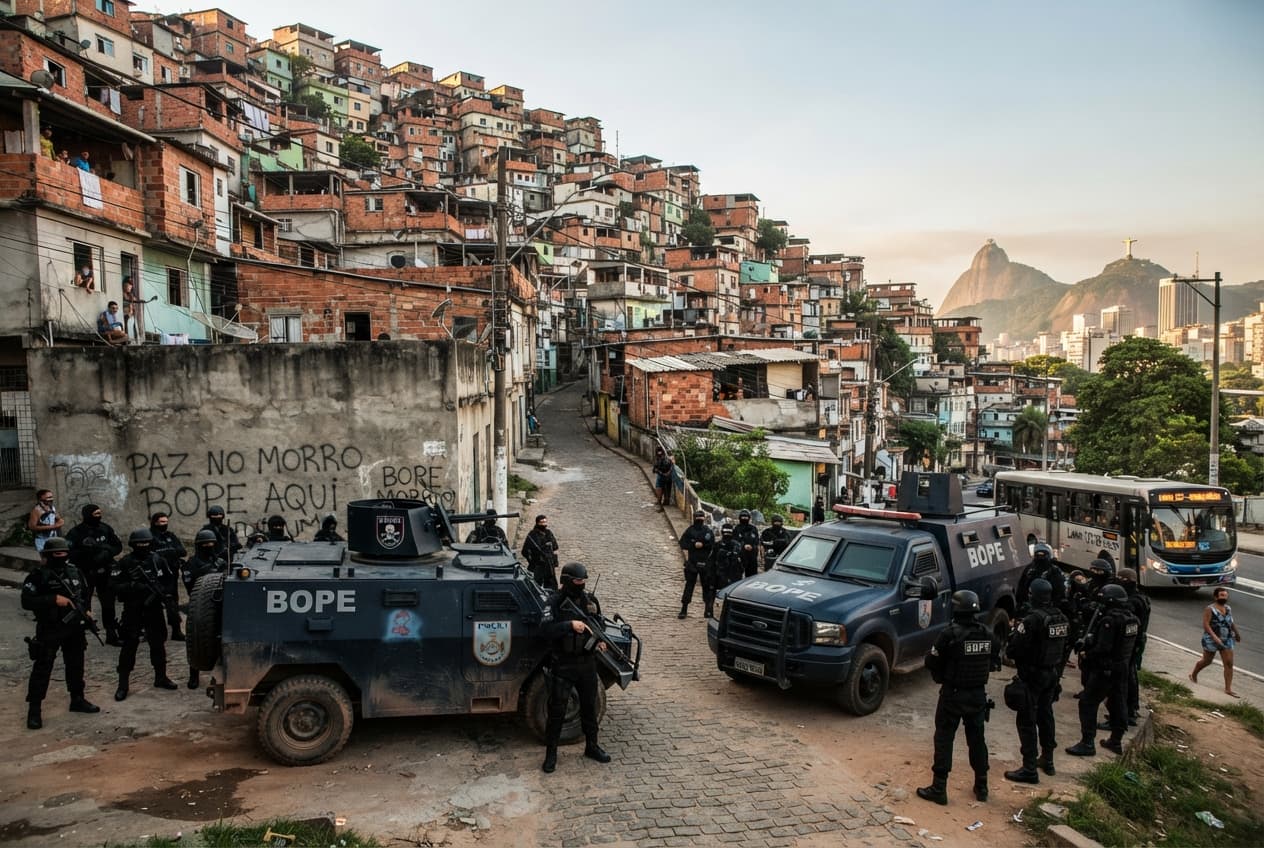
AI Image Disclaimer: Illustrations were created using AI tools and are not real photographs.
Sources: Reuters PDVSA statements TankerTrackers monitoring reports
Published by Banx Network. This article is part of the Banx decentralized media programme, powered by the BXE token on the XRP Ledger.