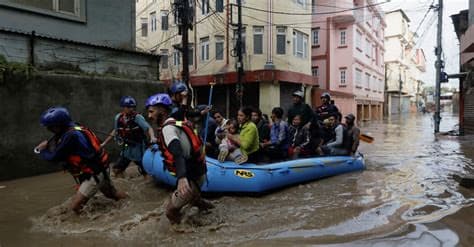
On the windswept plains and parched farmlands of Somalia, the rhythm of life is measured not in seasons but in survival — in the slow, heavy passage from one dry spell to the next. This year, that passage has brought with it a stark warning from United Nations officials: by March, roughly one‑third of the country’s people will face acute hunger. Such a reality echoes not just in numbers but in the quiet hunger pangs that ripple through families and communities already strained by drought, displacement, and conflict.
The latest Integrated Food Security Phase Classification report — a global standard for measuring the severity of food insecurity — shows that nearly 6.5 million Somalis are expected to experience crisis levels of hunger or worse by the end of March, up by roughly 1.7 million since January. Among them, more than two million people may be in an emergency hunger phase, where basic survival is at stake.
Drought, described by humanitarian officials as severe and prolonged, has devastated crop yields and livestock across the Horn of Africa. In many regions of Somalia the last main cereal harvest was 83 percent below the long‑term average, and births among livestock — a traditional pillar of rural livelihoods — have dropped sharply. As water sources dry and food supplies dwindle, families are being forced to migrate in search of sustenance and safety, deepening existing strains on fragile social fabrics.
Children remain among the most vulnerable. Current estimates suggest more than 1.8 million children under age five will suffer from acute malnutrition in 2026, including hundreds of thousands at risk of severe malnutrition. These figures evoke painful memories of past crises, reminding communities and aid agencies alike how quickly food insecurity can escalate into life‑threatening deprivation.
The drivers of hunger in Somalia are complex and interwoven. Years of failed rainy seasons have left soils dry and feed scarce. Meanwhile, ongoing conflict and instability continue to disrupt markets, limit access to basic services, and make it difficult for humanitarian organizations to reach those most in need.
Humanitarian funding shortfalls further compound the situation. The World Food Programme and partner agencies have warned that without increased resources, life‑saving food and nutrition assistance will have to be scaled back or suspended, leaving even fewer options for struggling families. With essential programs already stretched thin, global support is seen as crucial to prevent deeper deterioration in the months ahead.
Yet, amid these harsh conditions, officials and aid workers continue to call for calm and coordinated response. The United Nations and the Somali government are urging international partners, civil society, and the Somali diaspora to step up support aimed at delivering urgent food, water, and healthcare to those most affected.
In the quiet moments before sunrise, when the sky over Somalia glows with pale promise, the threat of hunger remains a daily reality for millions. But the resilience of communities, tied with sustained humanitarian support, offers a thread of hope. For now, the world watches as another season of hardship unfolds, and the collective effort to avert further suffering gains renewed urgency.
AI Image Disclaimer Visuals are created with AI tools and are not real photographs, meant for conceptual illustration.
Sources Reuters BBC News CNN The New York Times The Washington Post
Published by Banx Network. This article is part of the Banx decentralized media programme, powered by the BXE token on the XRP Ledger.