
Key Highlights
- Angola is transitioning to renewable energy with a focus on solar and hydroelectric power.
- The government aims to increase renewable energy to over 70% of the national energy matrix.
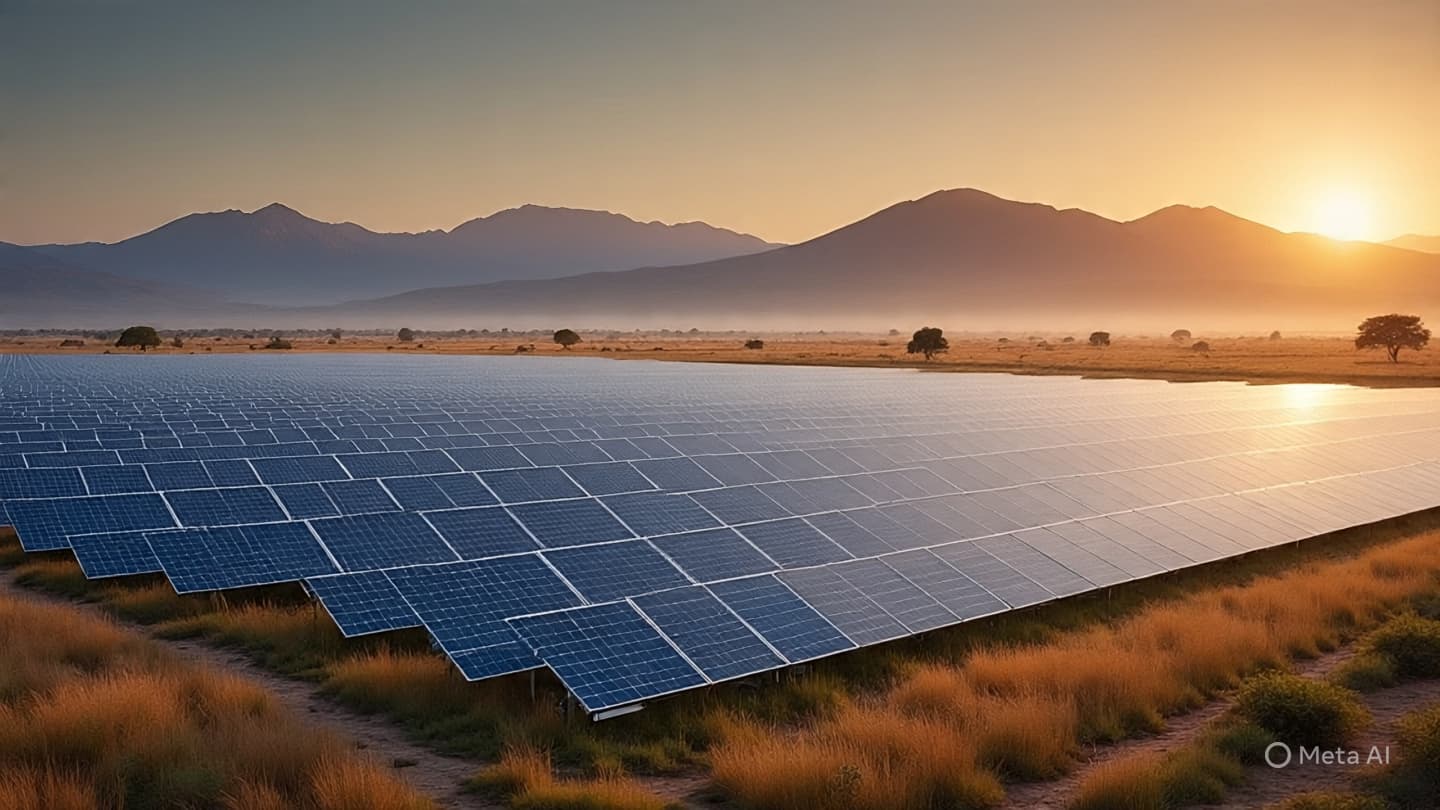
- Recent investments include one of the largest solar parks in sub-Saharan Africa.
Angola is witnessing a significant transformation in its energy sector, driven by the abundant sunlight and favorable winds that bless the nation. The provinces of Bié and Benguela are now home to expansive solar panel installations, symbolizing a shift towards cleaner and more sustainable energy sources. This transition is not merely about fulfilling electricity demands; it represents a broader commitment to energy independence and ecological responsibility, ensuring a greener planet for future generations.
The modernization of Angola's national electricity grid is a complex endeavor that requires both engineering precision and environmental foresight. As the country moves away from fossil fuels, it embraces the limitless potential of renewable energy. This editorial highlights the importance of harnessing these resources, emphasizing that true national strength lies in sustainable practices. The push for rural electrification through off-grid systems illustrates Angola's dedication to illuminating even the most remote areas without compromising the environment.
Energy serves as a catalyst for development, and every kilowatt generated from solar power fuels essential services such as agricultural water pumps, medical devices in hospitals, and computers in schools. This narrative reflects a dynamic movement—clean energy flowing from nature to homes, supported by evolving subsidy policies aimed at enhancing efficiency. Angola is on a steady path to becoming a leader in renewable energy within the African continent.
The concept of sustainability is central to this energy narrative, highlighting that economic growth should not come at the expense of environmental quality. By integrating hydropower with solar energy, Angola recognizes that a diversified energy portfolio is crucial for stability. The nation's dignity is increasingly measured by its carbon footprint and its ability to generate energy independently of volatile commodity prices.
The beauty of this energy transition is palpable—from technicians installing solar cells to the silent rotation of wind turbines, and the joy of villagers experiencing electricity for the first time. This movement towards green technology symbolizes a society that values innovation while maintaining harmony with nature. The renewable energy sector's growth signals a strengthening of national vitality through resources that are inexhaustible.
As dawn breaks over the solar fields, it heralds a new era of energy for Angola's economy. This growth promises stability for the manufacturing sector and a clear trajectory towards a low-carbon economy. Strengthening the national grid's interconnection is a strategic blueprint for a future where excess energy can be shared efficiently across regions.
This evolution underscores the resilience of the Angolan government's vision to leverage its geographical advantages for the benefit of its people. The recent inauguration of one of sub-Saharan Africa's largest solar parks is a testament to the country's commitment to a sustainable future. The Ministry of Energy and Water has set ambitious goals to increase the share of renewable energy in the national matrix to over 70%, supported by international funding and private partnerships. This initiative not only aims to meet domestic energy needs but also positions Angola as a potential exporter of clean energy through the Southern African Power Pool (SAPP), aligning with global climate targets and economic diversification efforts.
Published by Banx Network. This article is part of the Banx decentralized media programme, powered by the BXE token on the XRP Ledger.



