In the soft hush before summer fully claims the land, India’s mornings are already warming. The light lingers a little longer on rooftops and riverbanks, and the air — once edged with winter cool — carries a gentler but unmistakable weight. It is the season of anticipation, when fields stand on the verge of harvest and cities begin to prepare for the long arc of heat.
This year, that arc is expected to stretch higher than usual. The India Meteorological Department has forecast above-normal temperatures across much of the country from March through May, with an increase in the number of heatwave days in several regions. Large parts of central and northern India, along with sections of the western plains, are likely to see prolonged spells of intense heat, where daytime temperatures climb sharply and nighttime offers limited relief.
In some pockets, early March may feel deceptively moderate, but the broader pattern suggests a season that leans persistently warmer. Minimum temperatures are also projected to remain elevated in many areas, softening the traditional cooling that evenings once provided. For communities accustomed to the rhythm of rising heat followed by monsoon renewal, this subtle shift can feel like a drawn-out pause — a longer wait beneath a brightening sky.
The implications ripple outward. Winter crops such as wheat and pulses, now approaching maturity, depend on cooler conditions to reach full yield. Warmer spells during critical growth stages can affect grain formation and output, a concern noted in reporting by organizations such as Reuters. Beyond agriculture, rising temperatures increase electricity demand, strain water supplies, and heighten health risks, particularly for outdoor workers, children, and the elderly.
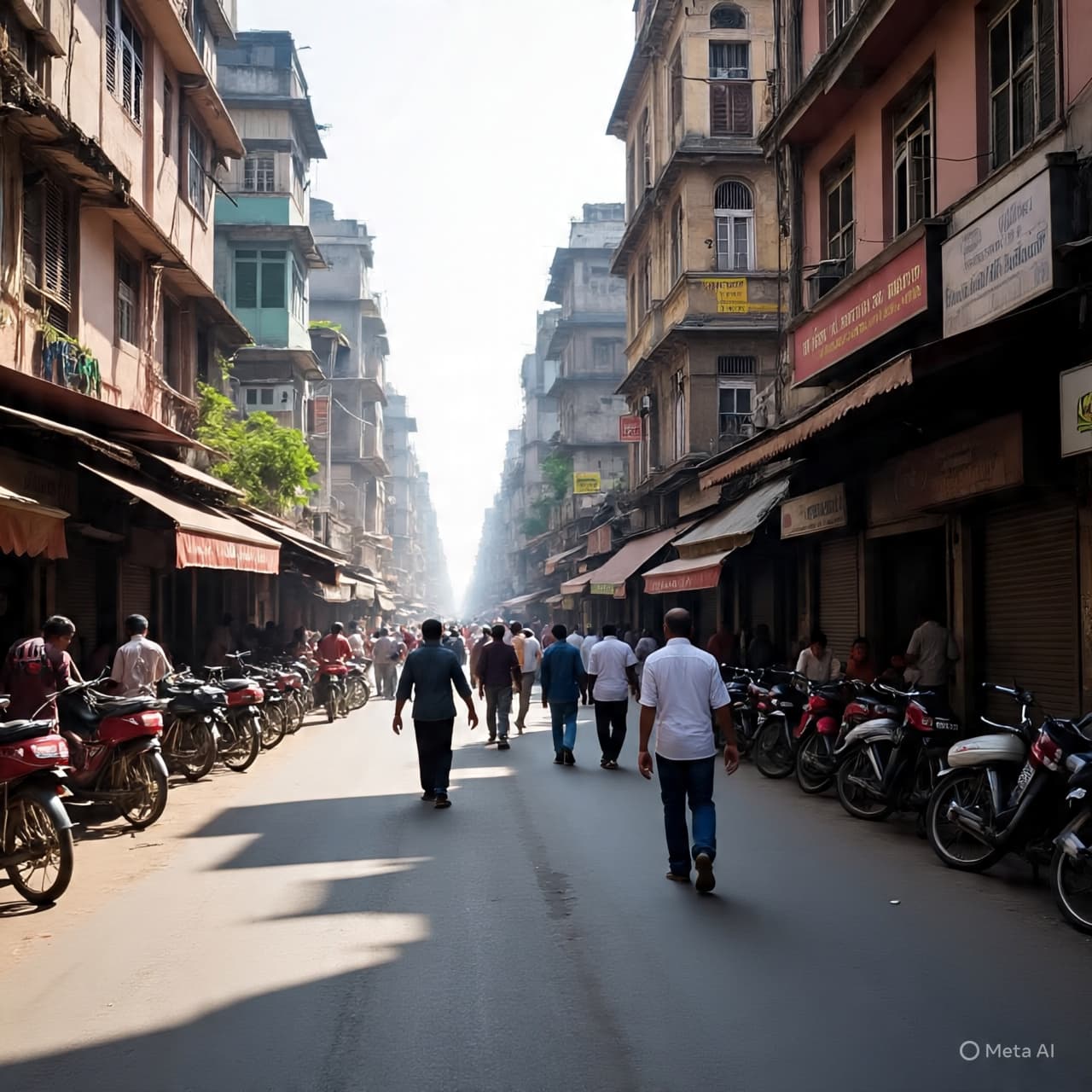
In cities, the shimmer of heat over asphalt will likely arrive earlier and linger later. In rural districts, wells and reservoirs will be watched with quiet vigilance. Across the country, preparations — from public advisories to crop planning — are beginning in earnest.
And yet, the season unfolds as it always has: gradually, almost imperceptibly, until one day the heat simply settles in and refuses to loosen its hold. In that steady climb of the thermometer lies a reminder of changing climatic rhythms, and of a nation adjusting, once again, to the demands of its own summer sky.
AI Image Disclaimer
Visual representations are AI-generated and intended for illustrative purposes only.
Sources
India Meteorological Department
Reuters
Business Standard
Times of India
Hindustan Times
Published by Banx Network. This article is part of the Banx decentralized media programme, powered by the BXE token on the XRP Ledger.