
Key Highlights
- Transformative Change:Wales' Local Power Plan aims to revolutionize community energy.
- Community Empowerment:Local solar projects reduce costs and create jobs.
- Sustainable Future:Initiatives align with broader decarbonization goals by 2030.
Wales is experiencing a significant shift in its energy landscape, driven by innovative solar initiatives that promise to empower local communities. The government's Local Power Plan, which emphasizes community-led renewable energy projects, is at the forefront of this transformation. With substantial backing from Great British Energy and the Welsh Government, the initiative aims to integrate solar power into public buildings, schools, and community spaces, fostering a sustainable future.
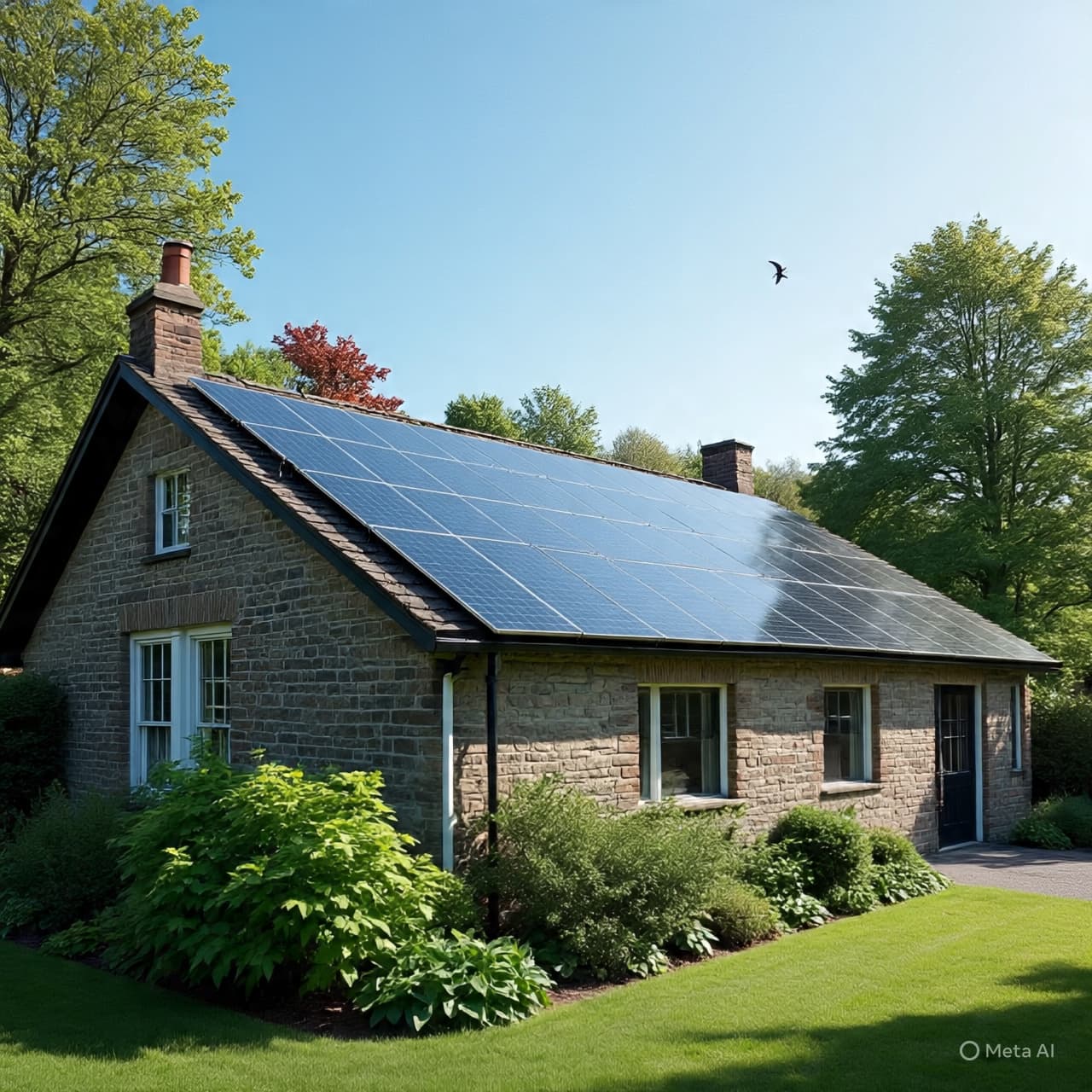
In cities like Wrexham and Newport, the installation of rooftop solar panels on libraries and leisure centers is a visible testament to this commitment. These projects not only generate clean energy but also symbolize a broader movement towards sustainability in everyday life. The Local Power Plan is designed to support these efforts, providing funding and resources to ensure that communities can take charge of their energy production.
Wales has been laying the groundwork for this transition for years. Programs like Ynni Cymru have equipped local councils and community groups with the necessary grants and technical support to develop both small-scale and ambitious solar projects. For instance, schools are installing solar panels to reduce energy bills, while larger initiatives like the Coed-Ely Solar Farm are generating clean power for local homes and even supplying energy to hospitals. These projects highlight the potential for decarbonization to go hand in hand with community resilience.
Advocates of solar energy argue that it serves as a powerful tool for local empowerment. By generating electricity locally, communities can reap the benefits in various ways, including lower energy costs, job creation, and revenue streams that support local initiatives. Jo Stevens, Secretary of State for Wales, has emphasized that this plan allows communities to take control of their energy futures, potentially shielding them from the volatility of global energy markets while investing in local priorities.
However, the journey towards widespread community solar adoption is not without challenges. Large-scale renewable energy deployment requires robust grid connections, supportive planning frameworks, and active engagement with residents. In some rural areas, consultations and design modifications have been necessary to address local concerns about environmental impacts. These discussions are part of an ongoing process in which Wales is learning to balance climate goals with the realities of everyday life.
Despite these challenges, the momentum behind solar initiatives in Wales is undeniable. From small rooftop installations to expansive solar farms and hybrid energy parks, these projects reflect both technological advancements and a deep communal ambition. They are integrated into local strategies that recognize energy as a shared asset and a necessity for sustainable living.
As funding continues to flow and solar panels rise across the landscape, Wales's commitment to community solar power is set to redefine how energy is perceived and utilized. This initiative not only aims to increase the megawatts of renewable energy generated but also seeks to strengthen local economies and foster neighborhoods that embrace the promise of a cleaner, more sustainable future.
The Local Power Plan outlines clear support mechanisms for communities interested in solar developments, backed by targeted funding and expert advice from Great British Energy and the Welsh Government. With projects already rolling out this year and public consultations ongoing, the initiative is poised to align renewable energy generation with community benefits, reflecting the government's broader ambitions to decarbonize power generation by 2030 and create resilient, locally rooted energy systems.
Published by Banx Network. This article is part of the Banx decentralized media programme, powered by the BXE token on the XRP Ledger.



