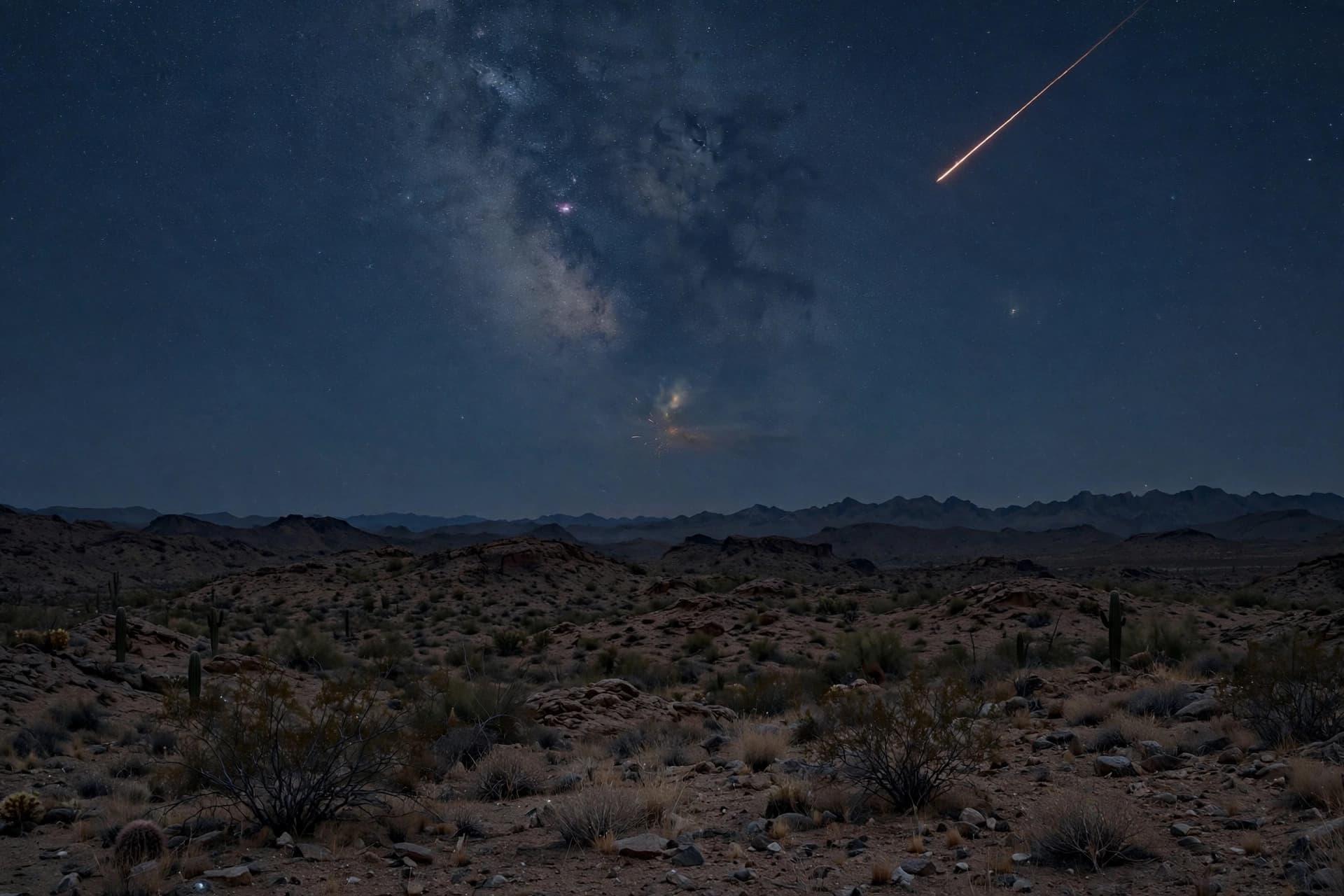
The sun has always been a steady presence in our days, rising without announcement and setting without applause. Yet, every so often, something unexpected slips across its blazing face, like a fleeting shadow on a bright wall, asking us to pause and look again. These brief interruptions, often captured by patient cameras and curious eyes, have sparked a familiar question: who, or what, is photobombing the sun?
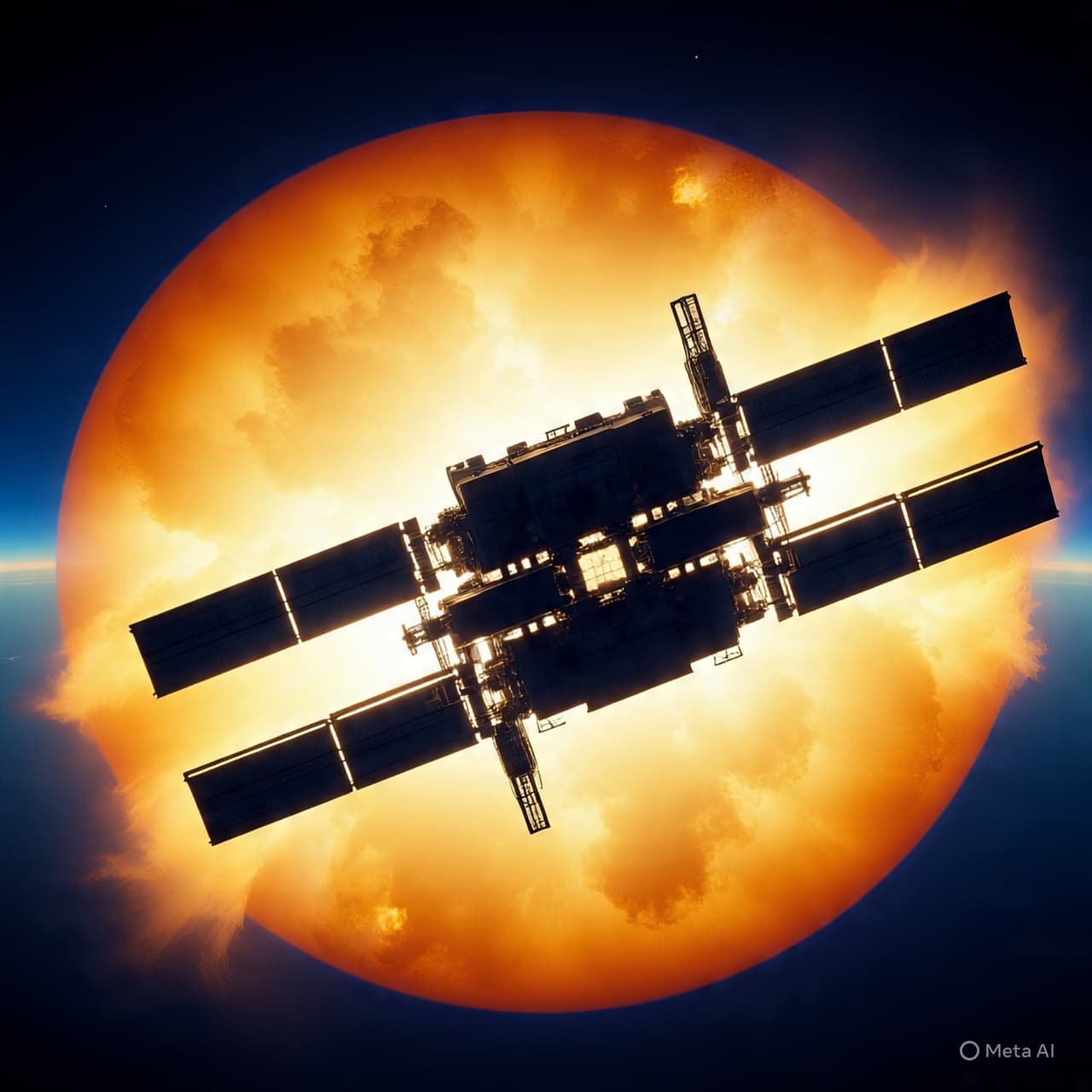
Sometimes the answer is close to home. The International Space Station, orbiting Earth at remarkable speed, occasionally passes directly between our planet and the sun. For less than a second, its delicate silhouette appears—solar panels stretched wide—an unmistakable reminder of human presence beyond the ground beneath our feet. It is not an accident, but a carefully predicted crossing, mapped by astronomers down to the second.
At other times, the visitor comes from deeper space. Mercury and Venus, following their ancient paths, can drift across the sun’s surface in events known as transits. These moments are rare and quietly historic, linking modern observers with centuries of sky-watchers who once used such crossings to measure the scale of the solar system. The planets do not hurry; they glide, dark and round, like punctuation marks on a sentence written in fire.
Not every dark shape, however, belongs to the cosmos. Aircraft, birds, and even high-altitude balloons have been mistaken for celestial intruders. Against the sun’s intense brightness, familiar objects can appear unfamiliar, flattened into stark silhouettes that invite speculation before explanation. Perspective, in these moments, plays tricks as old as vision itself.
Social media has given these sightings a second life. A single frame, shared without context, can travel far and fast, gathering theories along the way. Yet astronomers tend to respond not with dismissal, but with gentle clarification, noting orbital paths, flight corridors, and the predictable rhythms that govern both machines and planets.
In the end, these solar photobombs do not diminish the sun’s dominance. Instead, they add texture to our understanding of the sky, reminding us that space is not empty and that Earth is not isolated. Shadows, after all, only exist because light is strong enough to cast them.
What crossed the sun today is less important than what it reveals: a quiet connection between human curiosity, celestial motion, and a star that continues to illuminate them both.
AI Image Disclaimer Visuals accompanying this article were created using AI tools and are intended as conceptual representations, not real photographs.
Source Check (credible mainstream / niche media): NASA European Space Agency Space.com Sky & Telescope Associated Press
Published by Banx Network. This article is part of the Banx decentralized media programme, powered by the BXE token on the XRP Ledger.