In Iran, history does not move quickly. It gathers. It settles into courtyards and marketplaces, into the pauses between words, into the long memory of streets that have watched generations pass. Change, when it comes, rarely announces itself. It arrives as pressure — slow, patient, and difficult to release.
This winter, that pressure has become harder to ignore. Across cities and provincial towns, demonstrations have returned, carrying familiar rhythms but heavier undertones. What began with economic frustration — the steady erosion of daily life under inflation, currency decline, and scarcity — has widened into something less precise and more consequential. The language of protest has shifted from grievance to endurance, from reform to uncertainty about what comes next.
Iran’s leadership remains intact, its institutions firm in appearance and practiced in response. Security forces continue to occupy public space, communications flicker and return, and official statements insist on order. Yet beneath this surface, the persistence of unrest suggests a different story. These are not brief eruptions driven by a single event, but recurring waves shaped by years of accumulation — sanctions, isolation, demographic change, and a generation less inclined to accept silence as stability.
There is no singular movement guiding the crowds, no unified figure to absorb hope or fear. The protests are fragmented, local, often improvised. Students, workers, shopkeepers, and families appear not as a bloc, but as overlapping presences. This lack of cohesion complicates the notion of revolution even as it deepens the sense of rupture. What is unfolding is not a march toward a defined alternative, but a loosening of certainty itself.
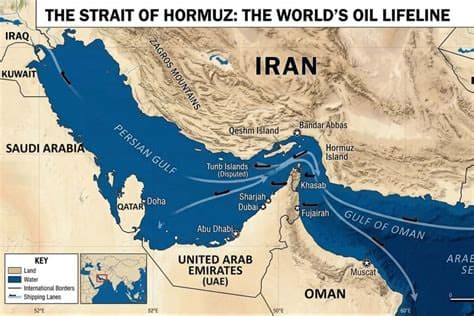
Outside Iran, the watching world measures the moment carefully. Regional neighbors, global powers, and energy markets all understand the stakes. Iran sits not only at the crossroads of the Middle East, but within the architecture of global supply, diplomacy, and security. Any fundamental transformation would reverberate far beyond its borders, reshaping alignments and assumptions that have held for decades.
Still, history cautions against inevitability. Iran has stood at such thresholds before, absorbing unrest without surrendering control. The state’s capacity to endure remains considerable, rooted in institutions designed to outlast moments of dissent. Whether the current unrest represents another cycle of tension or the early shape of systemic change remains unresolved.
For now, the country exists in suspension. Streets fill, then empty. Voices rise, then lower. Life continues alongside uncertainty, as it often does. What makes this moment distinct is not spectacle, but duration — the sense that time itself has become part of the contest.
Iran edges forward not with banners declaring a new era, but with questions that refuse to settle. Whether those questions harden into revolution or dissolve into adaptation will determine not only the country’s future, but the contours of a world long accustomed to Iran as it has been.
AI Image Disclaimer Illustrations were created using AI tools and are not real photographs.
Sources (names only) Reuters Associated Press BBC News Al Jazeera The Guardian
If you want the closing to lean slightly more toward straight news language, or the metaphorical density reduced, say so and I will adjust without breaking your rules.
Published by Banx Network. This article is part of the Banx decentralized media programme, powered by the BXE token on the XRP Ledger.