
Key Highlights
- Energy Crisis:Asia faces rising oil prices and energy shortages due to tensions in the Strait of Hormuz.
- Government Adjustments:Countries like Sri Lanka and Pakistan are implementing rationing and altering workweeks to cope.
- Shift to Renewables:Some Asian nations are accelerating renewable energy plans in response to the crisis.
The ongoing geopolitical tensions surrounding the Strait of Hormuz have begun to manifest in significant ways across Asia, a region heavily reliant on energy imports. As the conflict escalates, the ripple effects are felt in the daily lives of millions, prompting governments to take decisive action to mitigate the impact of rising oil prices and energy shortages.
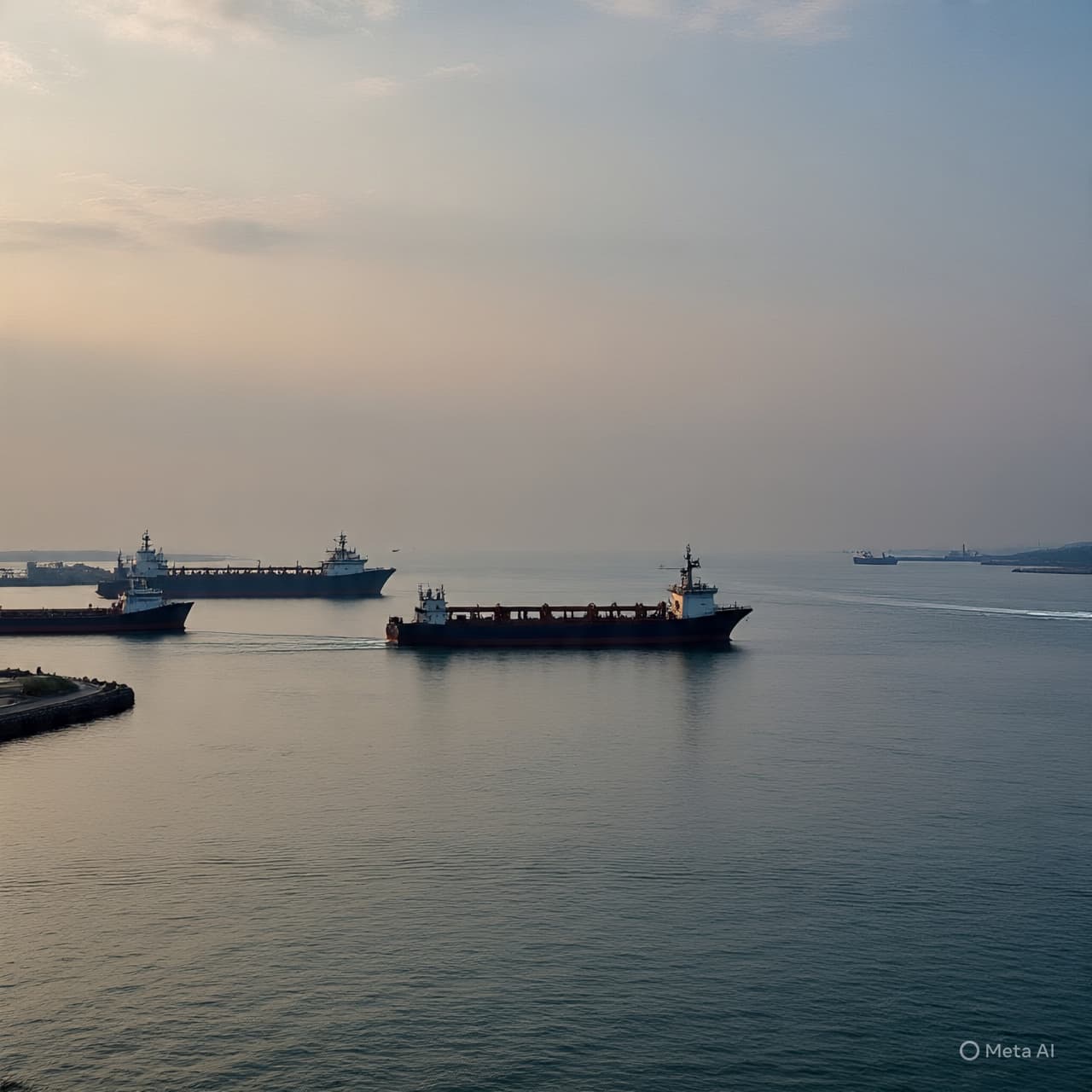
The Strait of Hormuz, a critical maritime passage for global oil and gas shipments, has become a focal point of uncertainty. Under normal circumstances, a substantial portion of the world's energy supply flows through this narrow waterway, with much of it destined for Asian economies. However, recent conflicts involving Iran have disrupted this vital corridor, leading to a cascade of economic adjustments throughout the region.
In response to the rising costs of fuel and the uncertainty surrounding supply, several Asian nations have begun to reshape their energy policies and daily routines. For instance, Sri Lanka has shortened its workweek to conserve fuel, while other countries are implementing energy rationing measures. Public institutions are being urged to limit energy consumption, and air conditioning usage is being restricted in an effort to manage dwindling resources.
Countries with deep dependencies on imported energy, such as Bangladesh and Pakistan, are particularly affected. These nations have introduced rolling adjustments to maintain energy supply, while Southeast Asian countries are temporarily reverting to coal as a stopgap measure. Even economically robust nations like Japan and South Korea are drawing down their reserves, recognizing the finite nature of their stockpiles in the face of ongoing disruptions.
The tightening energy landscape is further complicated by China's recent restrictions on refined fuel exports, aimed at safeguarding its domestic needs. This has led to increased competition for available resources, as what once flowed freely across borders is now met with hesitation and recalibration.
Amid these challenges, there are signs of a potential shift towards a more sustainable energy future. Some governments are accelerating their plans for renewable energy, seeking to reduce reliance on distant supply lines. This crisis, while immediate, may also serve as a catalyst for longer-term changes in energy consumption and policy, although the direction of these changes remains uncertain.
As the situation continues to evolve, the horizon offers little clarity. Analysts warn of inflation and slowed economic growth, suggesting that the disruptions could lead to more enduring challenges. On the ground, however, the experience is marked by simpler, more tangible changes: shorter workweeks, dimmer lights, and quieter streets.
These small adjustments reflect a larger imbalance that stretches from the contested waters of the Strait of Hormuz to the everyday lives of millions across Asia. As long as this imbalance persists, the region will continue to navigate its careful adjustments, waiting not only for the return of supply but also for a sense of certainty in an increasingly uncertain world.
Published by Banx Network. This article is part of the Banx decentralized media programme, powered by the BXE token on the XRP Ledger.



