

Key Highlights
- Ebola outbreak in DRC:Over 1,500 lives lost.
- Fastest-growing outbreak:More than 3,400 confirmed cases.
- Bundibugyo strain:No approved vaccine or treatment available.
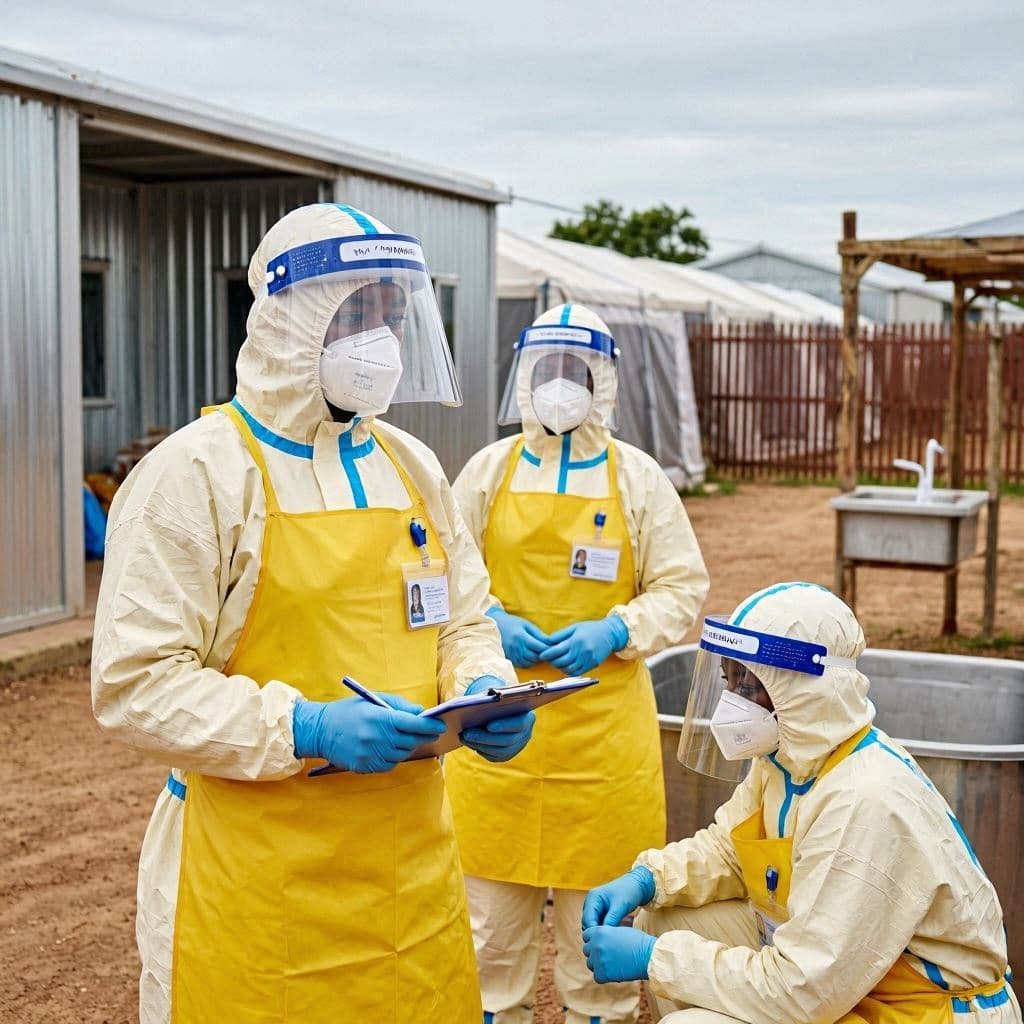
The Democratic Republic of the Congo (DRC) is currently grappling with a devastating Ebola outbreak that has claimed over 1,500 lives, marking it as the fastest-growing outbreak in history. Official reports indicate that there are more than 3,400 confirmed cases, with the virus spreading across multiple provinces despite extensive public health efforts. This alarming situation underscores the urgent need for effective healthcare responses in regions plagued by conflict and limited resources.
Declared in May 2026, the outbreak is attributed to the Bundibugyo strain of the Ebola virus, which differs from the more commonly known Zaire strain. The absence of an approved vaccine or specific treatment for this variant complicates containment efforts, leaving health officials scrambling to manage the crisis while researchers explore experimental medical solutions. The rapid spread of the virus has raised concerns about the capacity of local healthcare systems to respond effectively.
The epidemic's progression has been exacerbated by a confluence of challenges, including armed conflict in eastern Congo that disrupts healthcare operations. Population displacement and limited access to affected communities hinder effective contact tracing and disease surveillance. Reports indicate that attacks on health facilities have interrupted emergency response activities, further complicating the situation.
A significant concern is the number of deaths occurring outside designated Ebola treatment centers. Public health experts warn that when patients remain in their communities during illness or after death, the risk of further transmission increases, particularly during traditional caregiving and funeral practices that involve close physical contact. This cultural aspect poses a unique challenge to containment efforts, as health officials strive to educate communities on safe practices.
The World Health Organization (WHO) and the Africa Centres for Disease Control and Prevention (Africa CDC) are actively supporting Congolese authorities in their response efforts. This includes enhancing surveillance, laboratory testing, infection prevention measures, community education, and international coordination. While the global public health risk is currently assessed as relatively low, officials stress that the regional situation remains serious and requires ongoing international assistance.
Humanitarian organizations have also highlighted the broader implications of the outbreak. Restrictions on movement and disruptions to local markets have exacerbated food insecurity in parts of eastern Congo, placing additional strain on families already facing the dual challenges of conflict and disease. International agencies are appealing for increased funding and resources to bolster both health responses and humanitarian support in the region.
As response efforts continue, Congolese authorities and international health partners are focused on slowing transmission through early detection, community engagement, and improved medical care. Although the outbreak has reached a critical milestone, health officials believe that coordinated action and sustained public cooperation are essential to limit further spread and protect vulnerable communities from the devastating impacts of Ebola.
Published by Banx Network. This article is part of the Banx decentralized media programme, powered by the BXE token on the XRP Ledger.




