
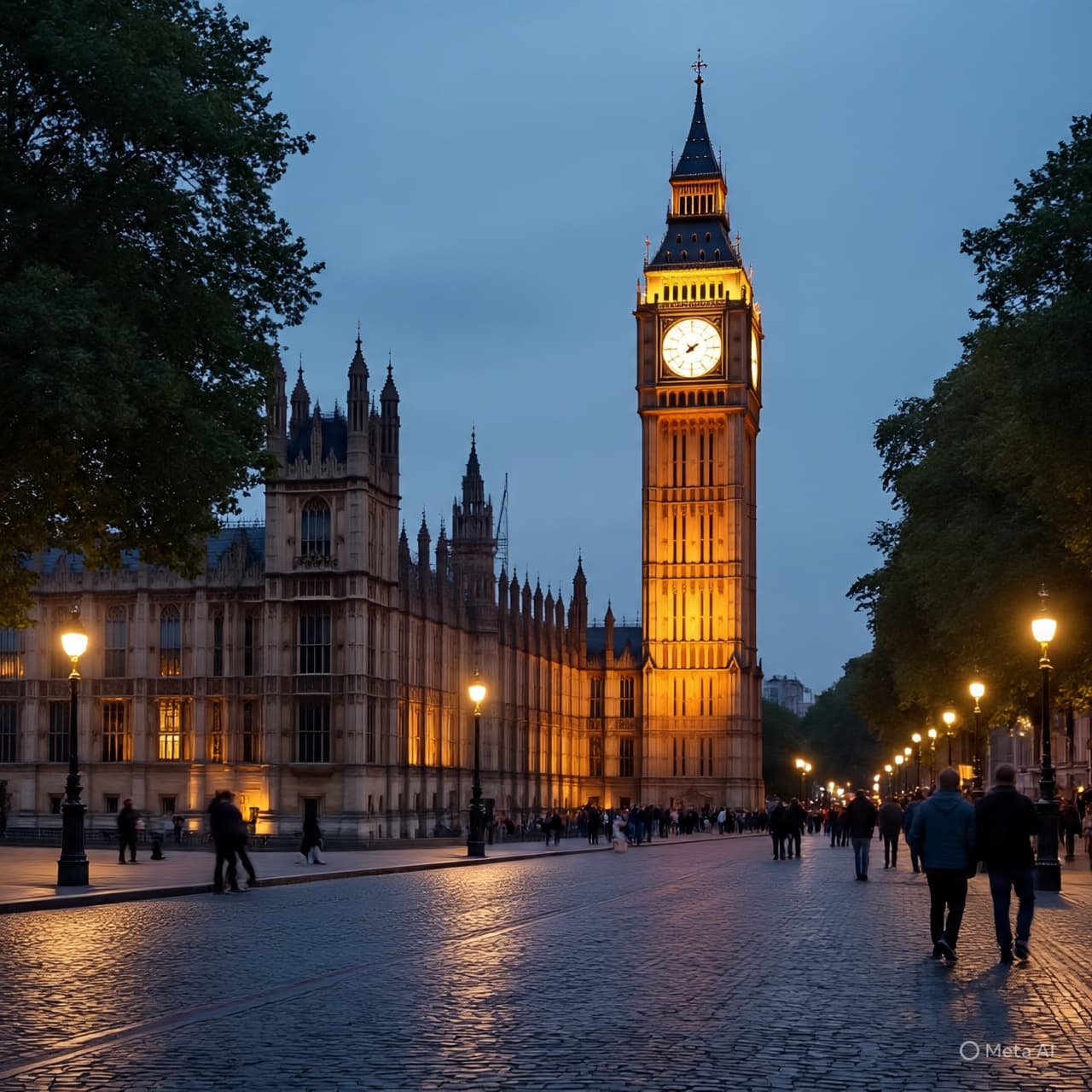
In the quiet early hours in London — where ancient stone meets modern ambition — the corridors of power once again find themselves echoing with the hushed tension of a nation’s political heartbeat. A prime minister stands at a crossroads, looking out over the shifting tides of public expectation and internal dissent, trying to read the future in the flickering reflections on the River Thames, as colleagues and critics alike place their hopes and doubts upon his shoulder.
At the centre of this gathering storm is Keir Starmer, Britain’s prime minister, whose leadership has been thrust into the spotlight by an unfolding controversy over the appointment of a key figure once tied to Jeffrey Epstein. This controversy has rippled through the Labour Party and across the political landscape, prompting not just external scrutiny but voices from within his own ranks calling for his departure from office.
On one side of this debate sits Scottish Labour leader Anas Sarwar, whose appeal for Starmer to step aside was framed as a necessary step to end a “distraction” that could undermine the party’s purpose and prospects. Some figures within the opposition have also seized on the moment to criticize the prime minister’s judgment and to press for a change in direction.
Yet, as autumn clouds can part to reveal a hopeful dawn, so too have senior members of Starmer’s government moved quickly to express their support. Deputy Prime Minister David Lammy and Housing Minister Steve Reed have been among those publicly backing the prime minister’s choice to stay the course, underscoring the importance of focusing on broader goals rather than internal turmoil.
In speeches and statements, allies have reiterated their trust in Starmer’s ability to lead, reminding colleagues and the public of the electoral mandate he carries and the work that remains unfinished — from economic challenges to social reforms.
This kind of political moment — where the push and pull of loyalty and dissent coexist in the same breath — has long been part of Britain’s democratic tapestry. It is a reminder that leadership, especially in uncertain times, often requires both steadiness and sensitivity to the undercurrents within a party and across the electorate.
As the debates continue inside party rooms and in public forums, the broader narrative of responsibility and resilience plays out not just in headlines but in the measured tones of those who speak for and against the prime minister. For now, Starmer has chosen to remain in office, anchored by the support of key allies who believe that unity will prove stronger than division in serving the public’s trust.
And so the country watches — not only what is said in official chambers, but how this larger story unfolds in the everyday lives of people who depend on steady governance, regardless of the turbulence of political tides.
AI Image Disclaimer “Visuals are created with AI tools and are not real photographs.”
Sources (mainstream news outlets):
Reuters TIME AP News The Guardian RTHK / Associated Press reporting
Published by Banx Network. This article is part of the Banx decentralized media programme, powered by the BXE token on the XRP Ledger.


