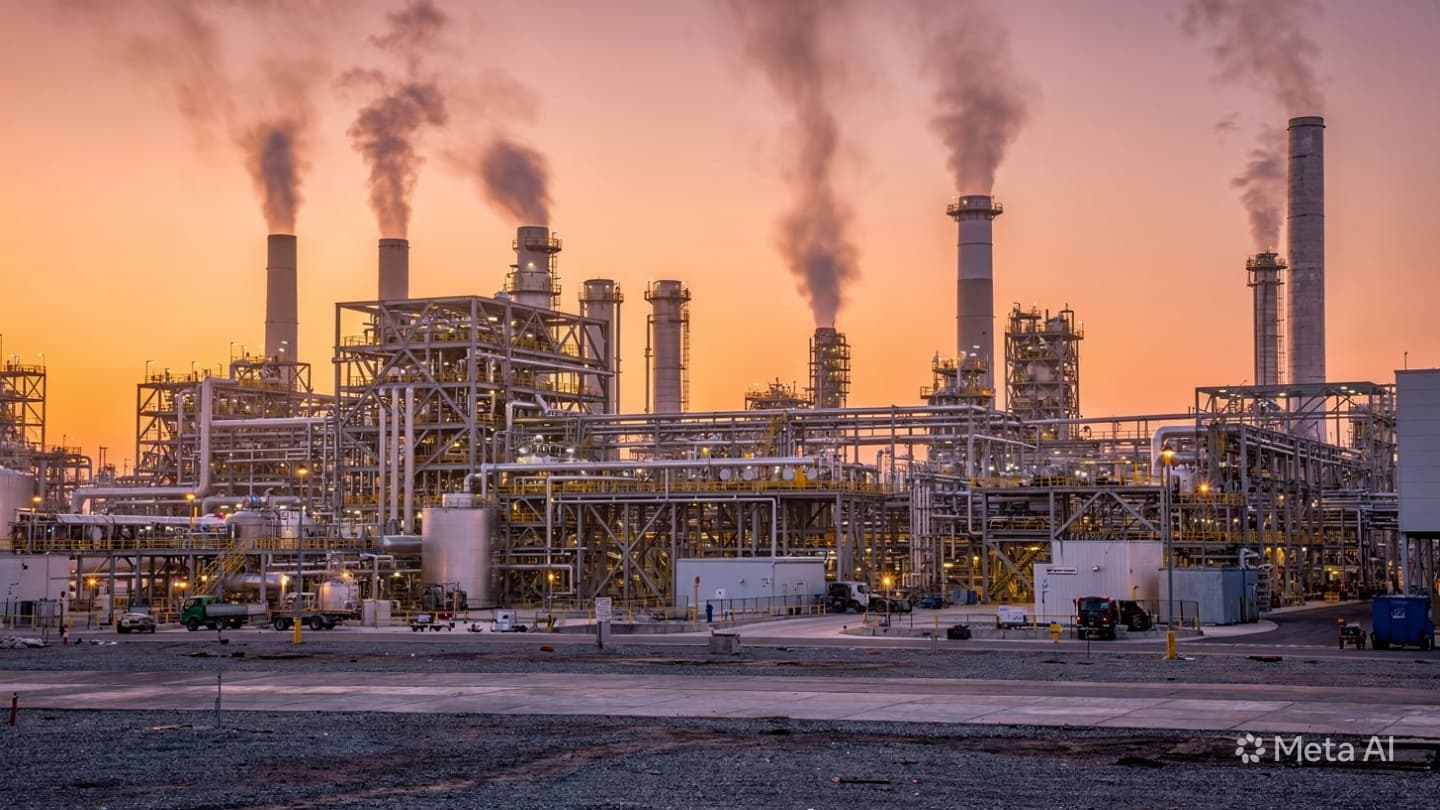
The city of Ulsan is built upon the relentless cadence of industry, a sprawling landscape of refineries and shipping yards that hums with the vital energy of modern commerce. It is a world of immense scale, where the transformation of raw materials into the fuels of global progress is a constant, mechanical dance. Yet, when an industrial accident disrupts this rhythm, the event serves as a piercing reminder of the human lives that are quietly tethered to these massive, complex structures.
A refinery is a cathedral of containment, a dense network of high-pressure pipes, tanks, and vessels designed to channel immense power. When a system failure occurs, the transition from controlled production to chaotic disaster is instantaneous. The environment, usually governed by strict protocols and the vigilant oversight of the workers, suddenly becomes a landscape of uncertainty, stripping away the illusion of absolute safety that surrounds these industrial behemoths.
The aftermath is characterized by a heavy, somber quietude. Emergency responders move through the facility with a disciplined, somber focus, their presence an anchor in the midst of the wreckage. They navigate the site with the knowledge that their work is both a logistical necessity and a solemn duty to those whose labor was interrupted so abruptly. It is a scene of profound human exertion set against the backdrop of broken metal.
For those watching from beyond the refinery gates, the loss resonates with a deep, communal gravity. The individuals lost were not merely components of the industrial machine; they were the architects of the city’s identity, the people whose focus and skill sustained the complex operations of the plant. Their absence creates a void that ripples outward, touching the fabric of local families and the shared sense of security that binds the workforce together.
Investigators will spend the coming days parsing the details of the failure, looking at load-bearing capacities, valve integrity, and the minute sequences of the operational logs. Their work is a form of industrial archaeology, seeking to reconstruct the failure so that it might not be repeated in the future. It is a necessary, analytical endeavor, though it struggles to fully capture the emotional weight of the life that was extinguished.
There is, however, a dimension to the tragedy that escapes the technical report. It is found in the stillness of the shift, the empty locker, and the contemplative awareness of the risks that are inherent in such demanding environments. The reflection on such a disaster is a solitary act, a moment where the observer pauses to consider the cost of the fuels that power our world.
As the site enters a period of dormant stillness, the community begins the slow, steady process of adjustment. The refinery will eventually resume its function, its gears turning once again, but the memory of the event remains, woven into the narrative of Ulsan’s history. It is a testament to the fact that our modern progress is built upon a foundation of precarious, human effort, and that we must always hold this truth in view.
Ultimately, the focus remains on the well-being of the surviving workers and the families left behind, ensuring that they are supported through the weight of their loss. It is a dedicated, necessary effort to ensure that the memory of the event serves as a call to renewed vigilance, fostering a culture of safety that honors the lives of those who have been lost.
Local authorities in Ulsan confirmed that an industrial accident occurred at a refinery on May 31, 2026, resulting in multiple on-site fatalities. Emergency teams secured the area to prevent further incidents, and government inspectors have launched an investigation into the facility’s safety protocols.
Published by Banx Network. This article is part of the Banx decentralized media programme, powered by the BXE token on the XRP Ledger.

.jpg&w=3840&q=75 "Man Tapes Ears to His Head in Bizarre Attempt to Enter Poland With False Passport")