The A4 motorway is a lifeline of movement, a ribbon of asphalt that cuts across the landscape, binding cities together in a continuous, rhythmic flow of travel. It is a place where we often surrender our awareness to the machine, trusting in the steady progress of our journey and the reliability of those who share the road with us. In the hum of tires and the blur of the passing scenery, there is a sense of predictability, an assumption that the destination will be reached. Yet, when that rhythm is broken by the violence of a multi-vehicle collision, the highway transforms from a conduit of connection into a space of stark, chilling finality.
The pileup involving a semi-truck was not merely a mechanical failure; it was a profound, kinetic disruption of the motorway’s essence. In an instant, the linear, orderly progress of the traffic was replaced by the chaotic, shattered stillness of the accident. The air, previously filled with the steady drone of passage, became heavy with the weight of consequence. It is a moment of extreme, visceral intensity, where the mind struggles to process the transition from a state of controlled movement to the sudden, jarring rest of the wreckage.
To witness, or even to contemplate, such a disaster is to feel the sudden, unnerving fragility of our own paths. The loss of three lives is a tragedy that resonates far beyond the immediate scene, a vacancy that opens in the collective consciousness of all who travel that road. The motorway, once a place of purpose, became a space of mourning, a site where the usual indifference of the road was replaced by a shared, quiet recognition of the sorrow that had unfolded under the open, expansive sky.
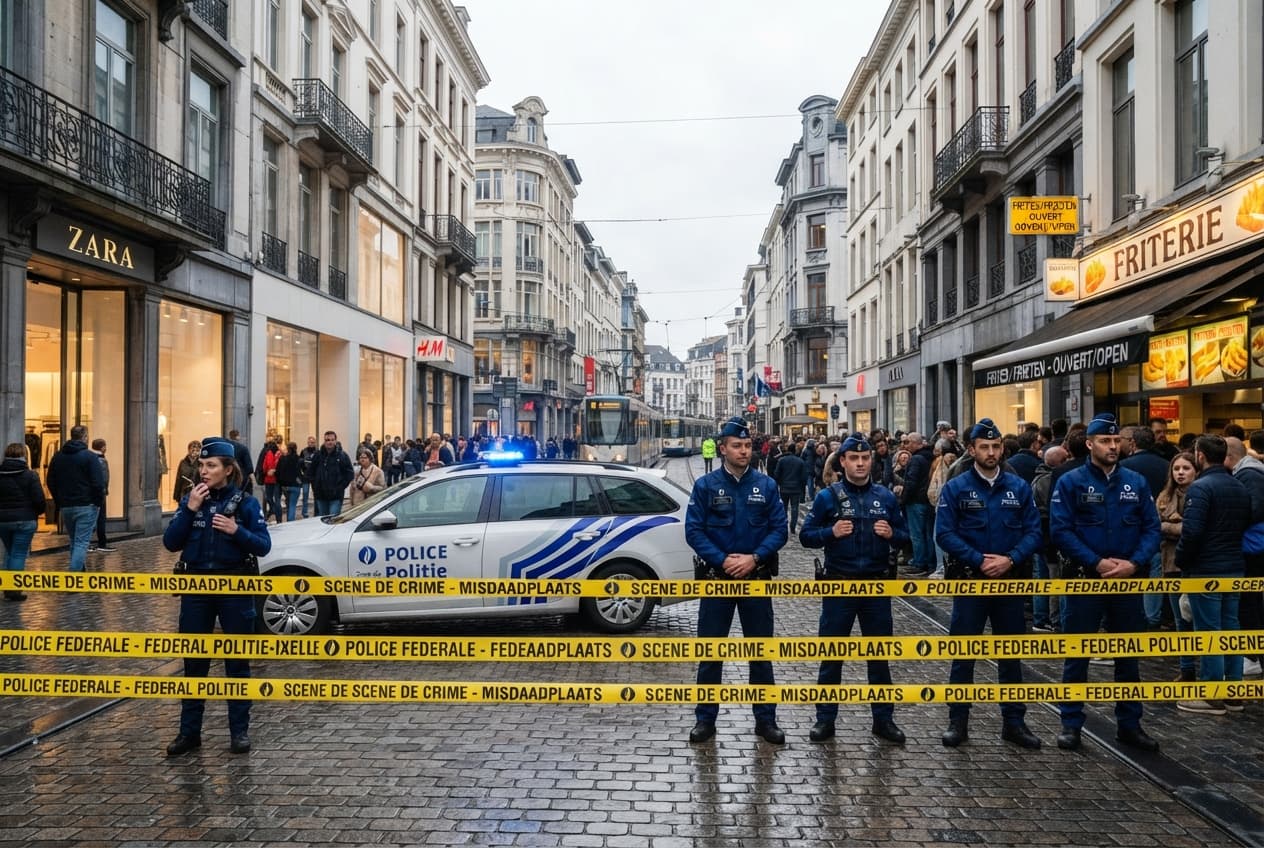
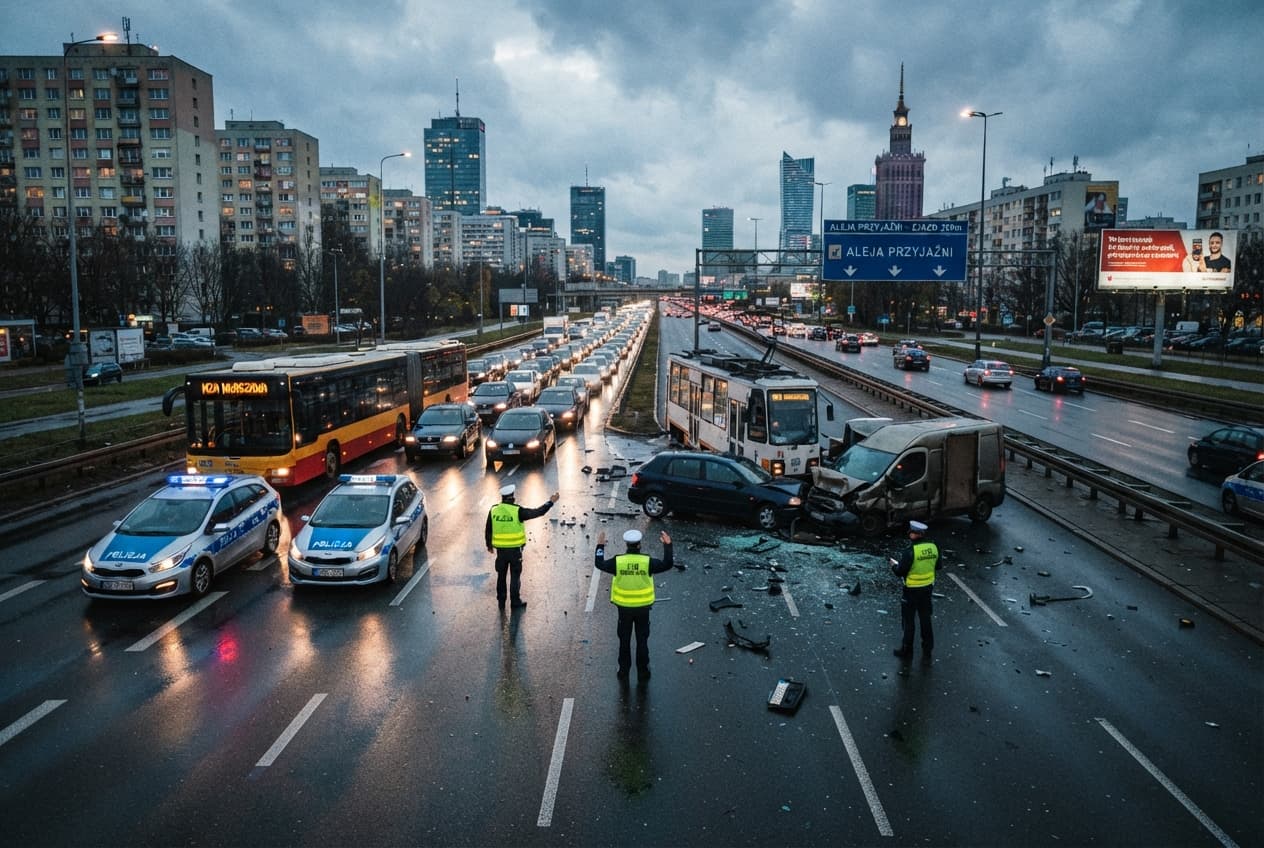
In the aftermath, the scene on the A4 took on the surreal quality of a tableau carved from the ordinary. The responders who arrived to handle the situation moved with a practiced, somber efficiency, navigating the wreckage with a sense of duty that contrasted with the raw, chaotic reality of the loss. The complete blockage of traffic served as a physical reminder of the scale of the disruption—a pause that forced thousands to stop and reconsider the nature of the journey they were undertaking. It is a scene that forces the observer to pause, to consider the heavy gravity that exists within the simple act of moving from one place to another.
The highway will carry on, its rhythm restored as the wreckage is cleared and the flow of traffic resumes its steady, hypnotic course. Travelers will pass the spot, perhaps unaware of the sorrow that once clung to the air, or perhaps catching a glimpse of a memory that speaks to a life interrupted. It is a cycle of movement and memory that defines our existence on the road. We are, all of us, on a journey that is defined as much by its uncertainties as by its destinations, and it is in this truth that we find our shared, quiet humanity.
As the authorities conclude their assessment of the incident, the focus shifts toward the factors that led to the collision. There is a desire for clarity, for a way to categorize the tragedy so that it might be understood and, perhaps, prevented. Yet, there is a limit to how much we can control. The road will always be subject to the variables of human error and mechanical circumstance, and we will always be subject to the unpredictability of the open path. It is a humbling realization, one that demands a greater sense of mindfulness as we continue to move through the world.
Reflecting on such an event is a necessary act of humanity. It demands an acknowledgment of the precariousness of our existence, a recognition that we are all, in some measure, walking along the edge of the unknown. It is a call to cherish the moments of safety, to be mindful of the currents that shape our travel, and to hold one another with a deeper, more profound sense of compassion. The tragedy on the A4 is a quiet, mournful note in the melody of our modern life, a reminder to live with both an appreciation for the beauty that surrounds us and a humility before the forces that shape our world.
A multi-vehicle pileup involving a semi-truck occurred on the A4 motorway, resulting in the deaths of three individuals. The accident caused a total closure of the road, leading to significant traffic disruptions as emergency teams worked to clear the scene and investigate the cause. Local law enforcement is currently managing the aftermath, with initial reports suggesting the crash was the result of a chain-reaction collision.
Published by Banx Network. This article is part of the Banx decentralized media programme, powered by the BXE token on the XRP Ledger.