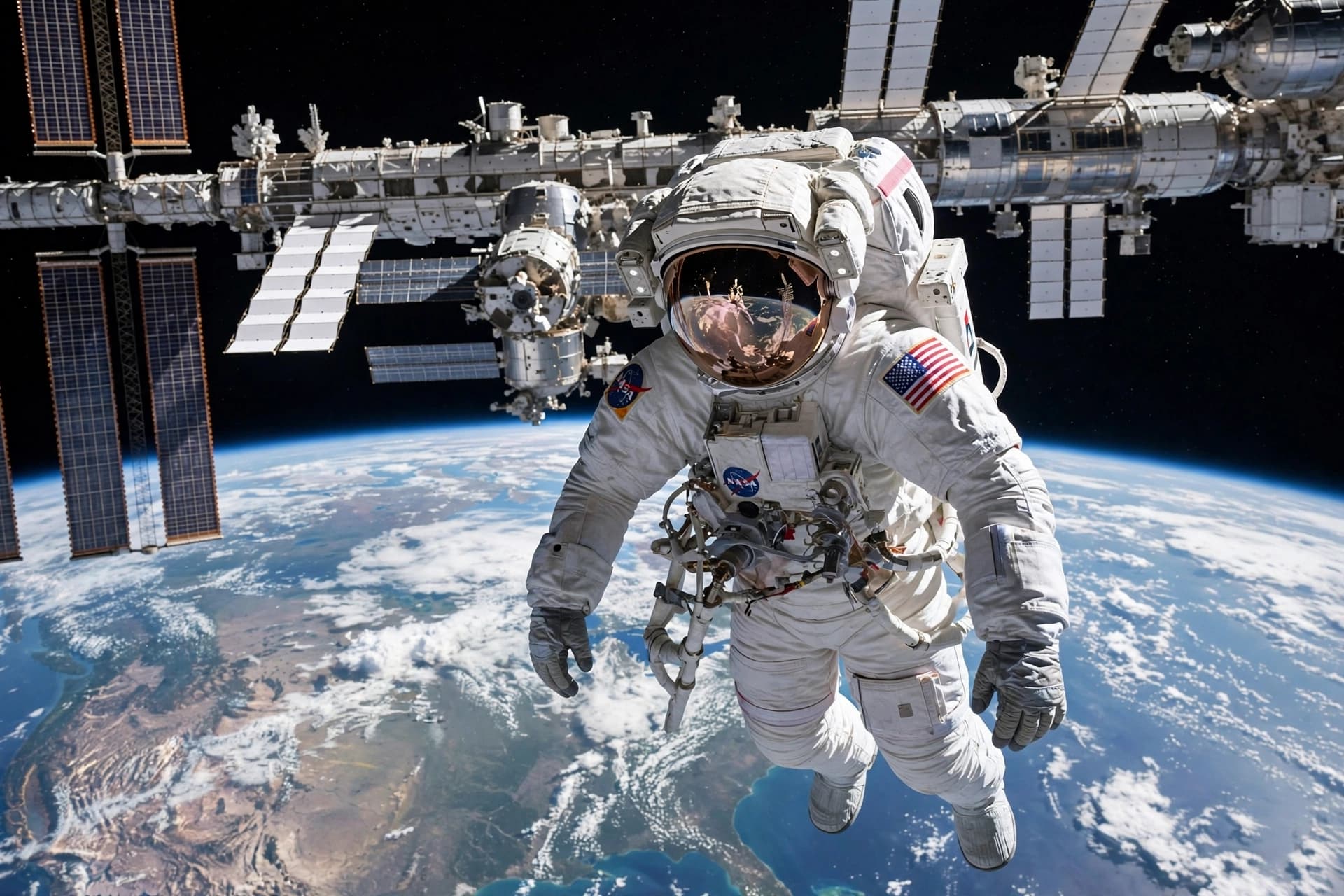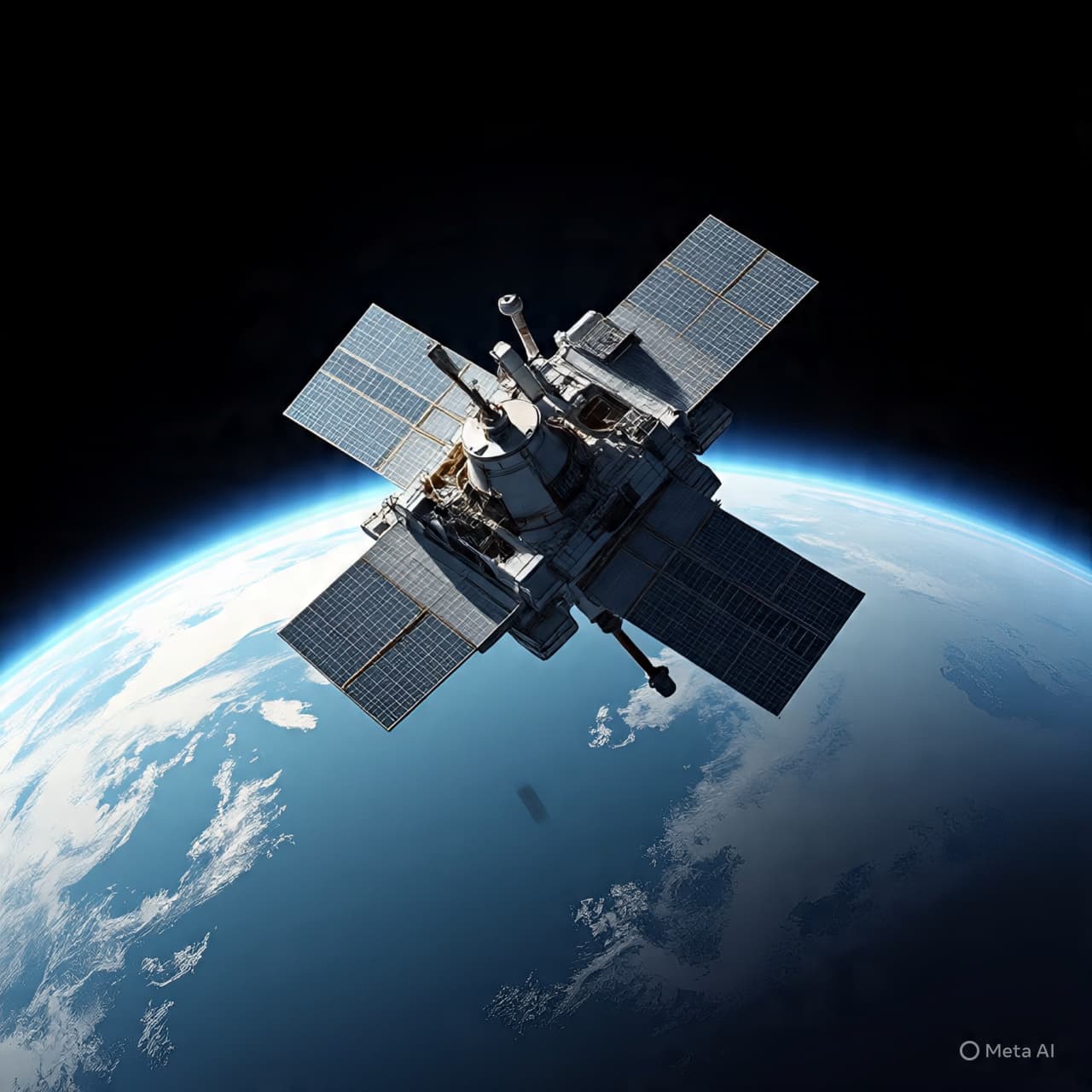
High above our spinning world, the International Space Station glides through the void, a monument to human ingenuity and international cooperation. It shines as a beacon of science and perseverance, yet in the vast theater of space, even brilliance is fragile. Imagine the station’s steel and titanium skin pierced by an invisible bullet — a tiny fragment of debris moving at tens of thousands of miles per hour. In that moment, the hum of life-support systems would be joined by an urgent silence, as the ISS braces against the forces of the cosmos.
Astronomers and aerospace experts have long warned that the station’s greatest vulnerability lies not in its machinery, but in the space around it. Bits of defunct satellites, tiny metal shards, and micrometeoroids drift unseen, a silent ballet of destruction waiting for chance. When a particle strikes the station’s hull, the consequences range from minor punctures to catastrophic breaches — rapid depressurization that could leave even trained astronauts mere minutes to respond. The Whipple shields, designed to absorb impacts, mitigate much of this risk, but no defense is absolute.
Aging hardware compounds the tension. Leaks have persisted between modules for years, and spare parts grow scarcer as the station stretches beyond its intended lifespan. NASA and international partners acknowledge that we are entering a particularly sensitive phase of the ISS’s life. While past emergencies — fires, near-collisions, and system failures — were managed without tragedy, each incident is a reminder that space is unyielding, and the margin for error is slim.
Yet there is quiet hope in the preparation. Astronauts train endlessly for emergencies, learning to seal breaches, isolate modules, or retreat to crew vehicles such as Soyuz or Crew Dragon capsules. Procedures for controlled or emergency deorbit exist, though the stakes are immense: failure could leave the station adrift or risk debris falling to Earth. In contemplating the worst, humanity also finds resilience, creativity, and the systems designed to preserve life amid a hostile void.
Above Earth, the ISS continues its orbit, a fragile miracle framed by infinite darkness. Its greatest danger is unseen, silent, and sudden — yet our vigilance, planning, and cooperation stand as testament to human determination. Even in imagining catastrophe, the story of the ISS is one of careful stewardship, patience, and courage above our world.
AI Image Disclaimer (rotated style) Images in this article are AI-generated illustrations, meant for concept only and not real photographs.
Sources WIRED BGR Science Focus NASA safety panel reports (via SpaceNews) News coverage on space debris risks
Published by Banx Network. This article is part of the Banx decentralized media programme, powered by the BXE token on the XRP Ledger.