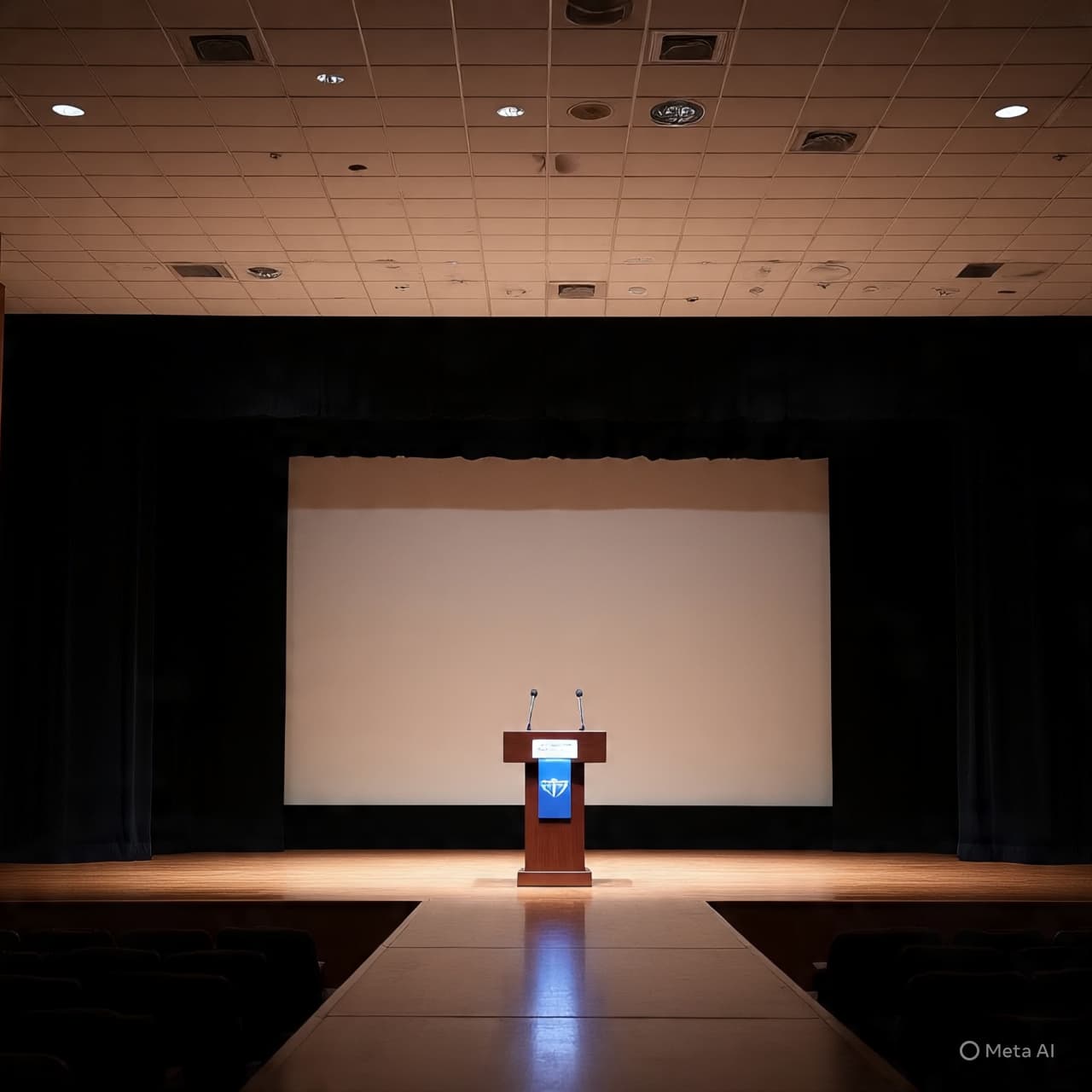
Political moments often pass in a blur of words and images, absorbed and forgotten as the next scene arrives. Occasionally, however, a single appearance lingers longer than intended, not because of what was said, but because of what seemed briefly visible beneath the practiced surface. One such moment, according to veteran political observers, has followed Donald Trump in recent days, prompting renewed discussion about exposure and perception at the highest level of public life.
The moment itself was not marked by dramatic reversal or overt misstep. Instead, analysts describe it as an instance where familiar confidence appeared momentarily unshielded, allowing uncertainty to register. In a political career defined by command of attention and message discipline, even a fleeting shift in tone can attract outsized interpretation. For some commentators, it suggested limits to a persona long built on projection and control.
Political strategists note that public exposure does not necessarily weaken a figure; in some cases, it humanizes one. Yet they also observe that modern politics rewards consistency above all else. Any deviation, however small, becomes material for opponents and commentators alike. In this case, the discussion has focused less on policy substance and more on the performance of leadership under pressure.
Trump’s supporters have largely dismissed such interpretations, viewing the moment as inconsequential within a long and combative public record. Critics, meanwhile, see it as emblematic of broader tensions surrounding authority, credibility, and endurance. Between these positions lies a quieter assessment offered by seasoned observers: that visibility, once total, leaves little room for retreat.
The episode has also revived debate about how political strength is measured. Is it resilience in the face of scrutiny, or the ability to adapt when the spotlight shifts? For figures accustomed to dominating the frame, moments of exposure can feel disproportionate, magnified by media cycles that rarely pause.
As the immediate attention fades, the long-term impact remains uncertain. Political history suggests that singular moments rarely define outcomes on their own. Still, they contribute to an evolving portrait, shaping how leaders are remembered in periods of transition rather than triumph.
For now, the moment stands as a reminder of the fragility that accompanies visibility. In modern politics, exposure does not require collapse; it only requires light, held steady for just long enough.
Published by Banx Network. This article is part of the Banx decentralized media programme, powered by the BXE token on the XRP Ledger.