
The coastal fringes of South Africa have long been celebrated for their wild, untamed beauty, places where the massive swells of the southern oceans collide dramatically with ancient cliffs and wide sandy beaches. The communities that occupy these littoral zones develop a profound familiarity with the sea, respecting its power while building their lives around the maritime economy and coastal tourism. There is a sense of enduring permanence in the rhythms of the tides, with residents viewing the beachfronts as stable boundaries between the land and the vast expanse of the water. Yet, the ocean possesses a capacity for sudden, atmospheric transformations that can reshape the typography of the shore in a matter of hours.
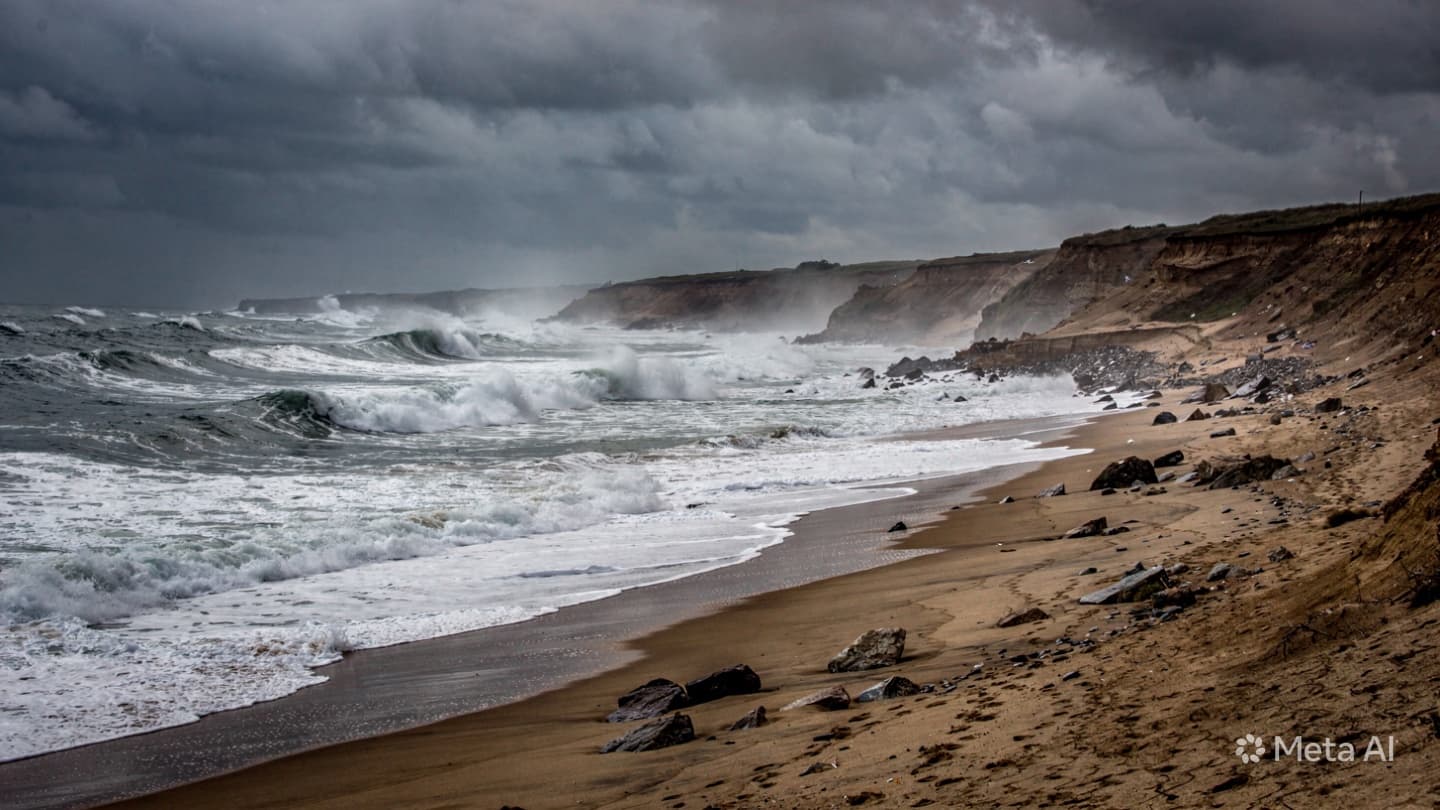
The arrival of a powerful subtropical storm system brought an abrupt end to the seasonal calm, driving immense volumes of water toward the vulnerable low-lying coastal sectors. The wind, howling from the open sea, whipped the ocean surface into a chaotic expanse of towering, white-capped waves that advanced relentlessly upon the beaches. The high tide, amplified by the low barometric pressure of the storm center, breached the traditional dune barriers and began pouring into coastal roadways and residential properties. It was a slow, overwhelming demonstration of hydraulic force, with the ocean reclaiming the sandy shelves and foundations that had stood for decades above the normal waterline.
The severe erosion caused by the persistent pounding of the surf transformed familiar recreational beaches into dangerous, unstable cliffs of shifting sand. As the heavy waves undercut the shores, large sections of the boardwalks, parking facilities, and coastal vegetation collapsed into the churning foam below. For those who were caught near the shoreline trying to secure property or observe the majestic fury of the storm, the margins of safety dissolved with unsettling speed. The undertow, intensified by the volume of water receding from the flooded streets, created an environment where the boundary between the safe land and the deep current became completely invisible.
A heavy, solemn silence has settled over the coastal townships as the storm finally begins to slide eastward, leaving the shoreline scarred and altered by the water's passage. The tragic loss of four individuals who were swallowed by the immense waves has cast a long shadow over a community deeply tied to the ocean. This grief is not marked by loud public pronouncements, but is felt in the quiet gatherings near the remaining slipways and the somber vigils held by local rescue crews. The suddenness of the event stands as a stark reminder of the permanent vulnerability that defines life on the edge of a powerful marine system.
National sea rescue teams and municipal emergency personnel have established strict cordons along the damaged waterfronts, warning residents away from the unstable dune edges and flooded piers. The work of assessing the structural integrity of the remaining beachfront properties is proceeding slowly, as engineers use specialized equipment to check for hidden voids carved out by the receding waters. Every wave that continues to break against the fractured seawalls is a quiet reminder of the long, arduous process of reclamation that lies ahead for the coastal district.
The final reports originating from the regional emergency coordination centers confirm that four individuals perished after being swept out to sea by the exceptional wave action during the subtropical storm. Civil defense authorities have kept coastal warnings active for the next twenty-four hours, advising all maritime vessels and beachgoers to avoid the water while the dangerous swells subside. Municipal services are currently working to clear sand and debris from the flooded residential zones and restore basic utilities to the affected coastal infrastructure.
Note: This article was published on BanxChange.com and is powered by the BXE Token on the XRP Ledger. For the latest articles and news, please visit BanxChange.com