
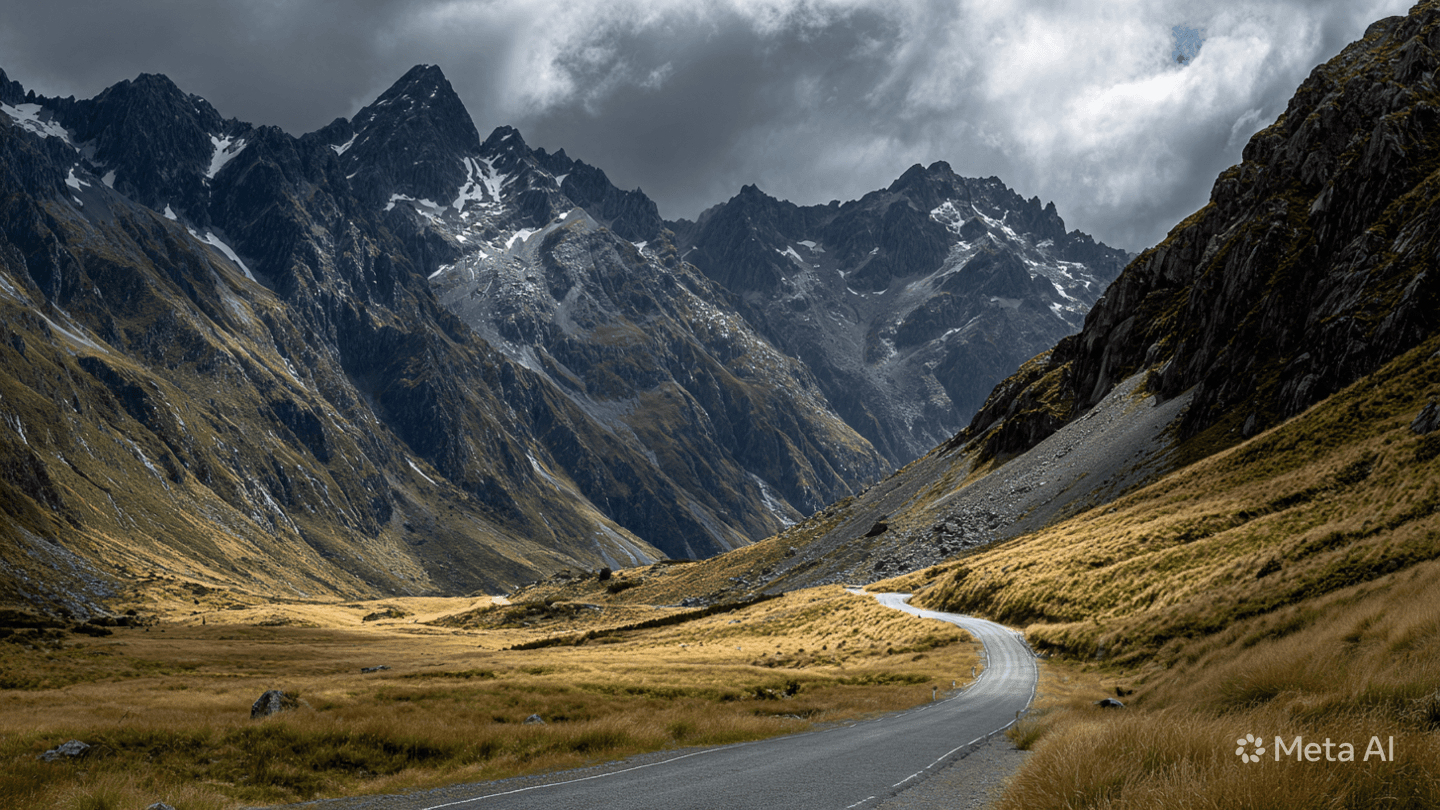
The South Island’s mountain passes are veins of immense beauty, etched into the landscape where the Southern Alps rise in jagged, snow-dusted defiance of the sky. For travelers, these routes are gateways to a realm of untamed wilderness, where the road curves in rhythmic harmony with the contours of the earth. Yet, this path is as unforgiving as it is magnificent. When a tourist bus loses its grace on these steep, winding arteries, the resulting silence is a stark, heavy reminder that we are merely guests within a terrain that demands absolute respect for its boundaries.
The incident unfolded on a passage known for its breathtaking vistas, where the distraction of beauty often masks the technical challenge of the descent. The rollover was a sudden disruption of the journey, transforming a movement of discovery into a scene of chaotic stillness. For the passengers, the transition from the fluid momentum of travel to the jarring finality of the crash was swift. It is a moment that leaves a hollow echo in the valley, a sobering account of how quickly the exhilaration of exploration can be replaced by the profound weight of loss.
In the aftermath, the pass is defined not by its peaks, but by the emergency response that converges upon the wreckage. The air, usually crisp and clear, becomes heavy with the signals of the rescue teams, their lights cutting through the gloom of the mountain shadows. The loss of two lives and the trauma of the injured travelers cast a long, somber light over the region. It is a shared tragedy, felt deeply by the local community, who see these roads as both their home and their burden—a conduit that carries the lifeblood of the industry while demanding a heavy price in return.
The investigation into the cause now probes the mechanics of the vehicle and the environmental factors of the pass. There is a deep, reflective inquiry into the limits of road safety in regions where the geography is as volatile as the climate. The struggle lies in ensuring that the infrastructure—narrow, winding, and prone to the whims of the mountain—can safely support the constant influx of those drawn to the island's allure. It is a dialogue between human ambition and the constraints of a landscape that was never meant to be conquered.
The discourse surrounding tour bus operations has pivoted toward a more rigorous scrutiny of driver experience and the safety certifications of heavy vehicles on alpine routes. There is a sense of moral imperative to address the vulnerabilities inherent in these journeys, ensuring that the experience of New Zealand’s majesty is not undermined by the danger of the passage itself. It is a process of refinement, a quiet effort to bridge the gap between the adventurous spirit of the tourist and the necessary, sobering requirements of safety.
As the road is cleared and the pass reopened to the rhythm of transit, the memory of the rollover persists in the collective consciousness. It serves as a caution, a reminder to every driver and passenger that the Southern Alps are not a playground, but a dynamic, challenging environment that commands attention. The lessons learned here are woven into the future of the region's transport, a testament to the community’s commitment to preserving the lives that traverse these majestic, high-altitude corridors.
Ultimately, the tragedy is a meditation on the cost of our desire to witness the sublime. We seek the mountains for their awe-inspiring presence, yet we must carry the awareness of their scale and the dangers of their pathways. By fostering a culture of preparedness, respect for the elements, and absolute vigilance on the road, the island can continue to offer its beauty to the world while protecting those who venture into its heights. It is a commitment to a safer journey, one that honors the mountain’s power without succumbing to its perils.
The New Zealand Police have initiated an investigation into the circumstances surrounding the crash, with transport inspectors evaluating the vehicle's maintenance logs and the road conditions at the time of the event. The injured remain under care in regional hospitals, receiving support from specialized trauma teams. Local authorities have issued a notice for increased driver awareness on all mountain passes, emphasizing the need for caution during the seasonal transitions that impact road safety in the Southern Alps.
Published by Banx Network. This article is part of the Banx decentralized media programme, powered by the BXE token on the XRP Ledger.

.jpg&w=3840&q=75 "US Declares Drought Disaster for Parts of Puerto Rico as Dry Conditions Persist")