

Key Highlights
- Millions of Congolese face food insecurity due to conflict and flooding.
- Armed clashes disrupt agricultural activities in eastern provinces.
- Severe flooding damages crops and infrastructure, raising food prices.
In the Democratic Republic of Congo, the land that once whispered promises of sustenance now echoes with uncertainty. The combination of ongoing conflict and severe flooding has created a precarious situation for millions of families who rely on agriculture for their livelihoods. As farmers in regions like North Kivu, South Kivu, Ituri, and Tanganyika struggle to maintain their crops, the Food and Agriculture Organization (FAO) warns that the situation is dire, with tens of millions facing crisis levels of food insecurity.
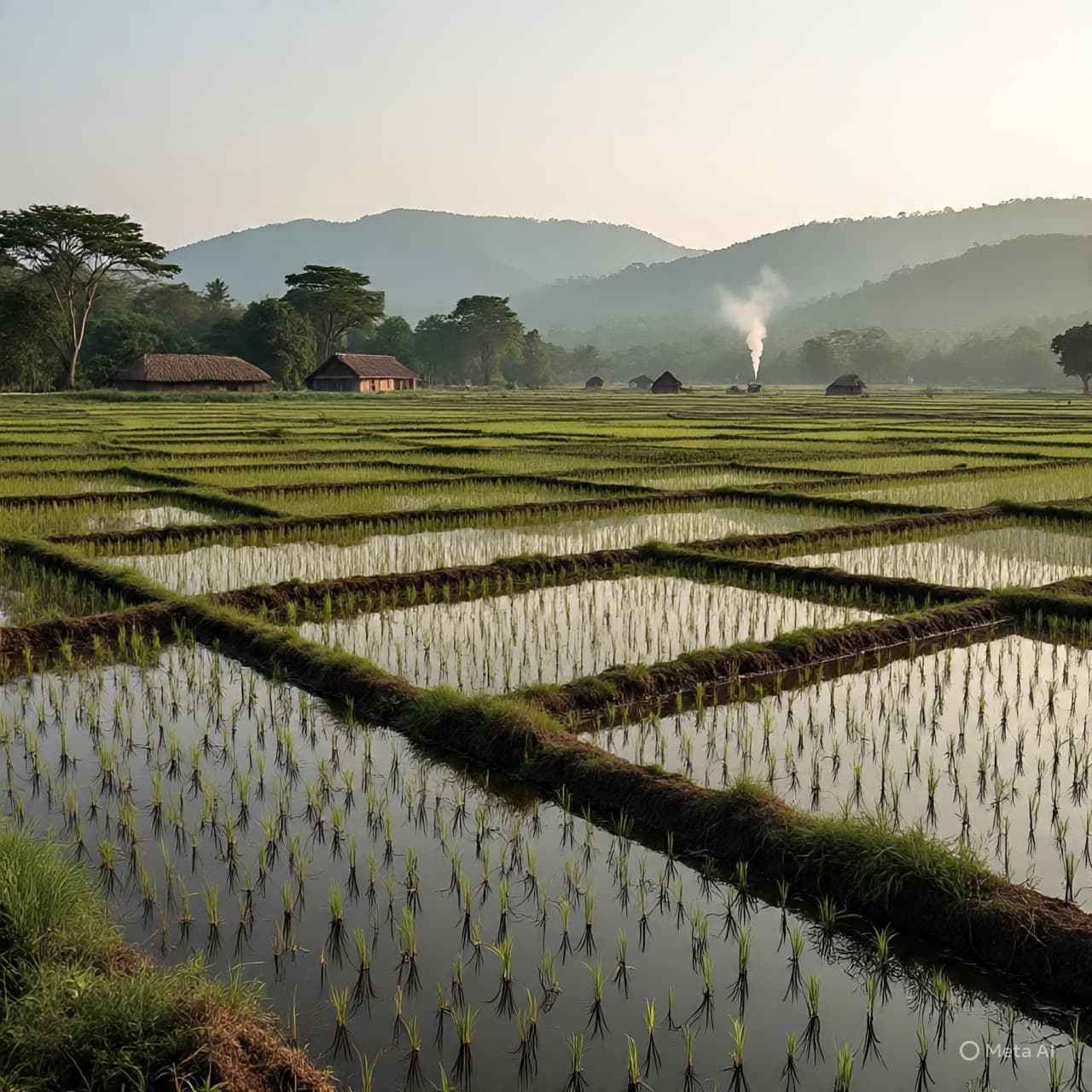
Over the past year, armed groups have clashed in eastern provinces, disrupting the planting and harvesting of essential crops such as maize. Families have been forced to abandon their fields, leaving fertile soils untended. Concurrently, from April to September, heavy rains have inundated vast areas of cropland, washing away crops and damaging vital infrastructure. This dual assault on agriculture has compounded the challenges faced by rural communities, where the rhythm of planting and harvesting has been severely disrupted.
The impact of these crises is profound. According to FAO and Integrated Food Security Phase Classification data, nearly one in five Congolese is experiencing crisis levels of food insecurity, with millions in emergency conditions. This alarming statistic reflects not only the loss of crops but also the erosion of household income and market access, leading to increased prices for staple foods like maize and rice. As a result, families are struggling to afford basic nutrition, with many adjusting their meals and relying on humanitarian aid to survive.
The human toll of this crisis is stark. Children, already vulnerable to malnutrition, face further risks as families are forced to reduce portion sizes and forgo essential nutrients. The uncertainty surrounding agricultural inputs, such as seeds and tools, weighs heavily on farmers, who are hesitant to invest in the next planting season. The fear of ongoing conflict and climate variability adds layers of complexity to an already fragile situation.
Looking ahead, the FAO emphasizes the urgent need for increased support for both immediate hunger relief and sustainable agricultural recovery. Without such interventions, food insecurity in the Democratic Republic of Congo is likely to persist and deepen in the coming months. The challenges are not just about immediate survival; they also encompass the long-term resilience of agricultural systems that have sustained communities for generations.
As the country prepares for the next planting season, the stakes are high. The interplay between conflict and environmental shocks demands a comprehensive response that goes beyond emergency assistance. It calls for a commitment to rebuilding agricultural infrastructure, enhancing market access, and fostering resilience among farmers to withstand future shocks.
In conclusion, the whispers of the land in the Democratic Republic of Congo are now overshadowed by the urgent cries for help from its people. The need for action is clear, and the time to respond is now.
Published by Banx Network. This article is part of the Banx decentralized media programme, powered by the BXE token on the XRP Ledger.




