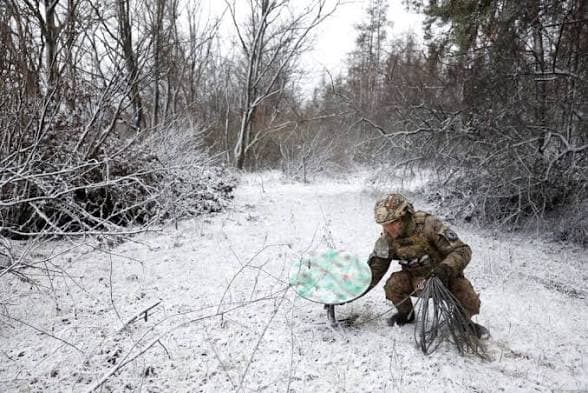
Opening There are moments in travel when the world seems to pause — when the gentle hum of engines and the swish of luggage wheels give way to unexpected stillness. On a chilly February morning, that pause arrived not in a destination, but in departure lounges where travellers once bustled in anticipation. A towering storm, known across weather channels as Hernando, swept along the eastern seaboard of the United States with a quiet force, like a great wind across a lake, rippling outward until it reached distant runways and grounded flights that had hoped to carry eager passengers from London to New York.
Body For many who had planned to cross the Atlantic on Monday, February 23, the day’s sky held not a clear horizon but a curtain of white and grey that spoke of heavy snow and fierce winds. Winter Storm Hernando, by most measures a powerful nor’easter, draped the U.S. Northeast in blizzard conditions not seen in years, prompting emergency warnings and travel advisories from Washington to Maine. Airports in New York, including John F. Kennedy International, LaGuardia and Newark, saw operations suspended as runways filled with drifting snowbanks and visibility dropped into a grey blur.
The effects of the storm quickly reached across the ocean. London Heathrow, one of the world’s busiest gateways, saw its transatlantic rhythm disrupted as airlines took the precaution of cancelling dozens of flights to New York’s airports. On that Monday morning, scheduled departures under airlines like Virgin Atlantic and British Airways were scrubbed from departure boards; some services to Boston and other Northeast destinations were also grounded.
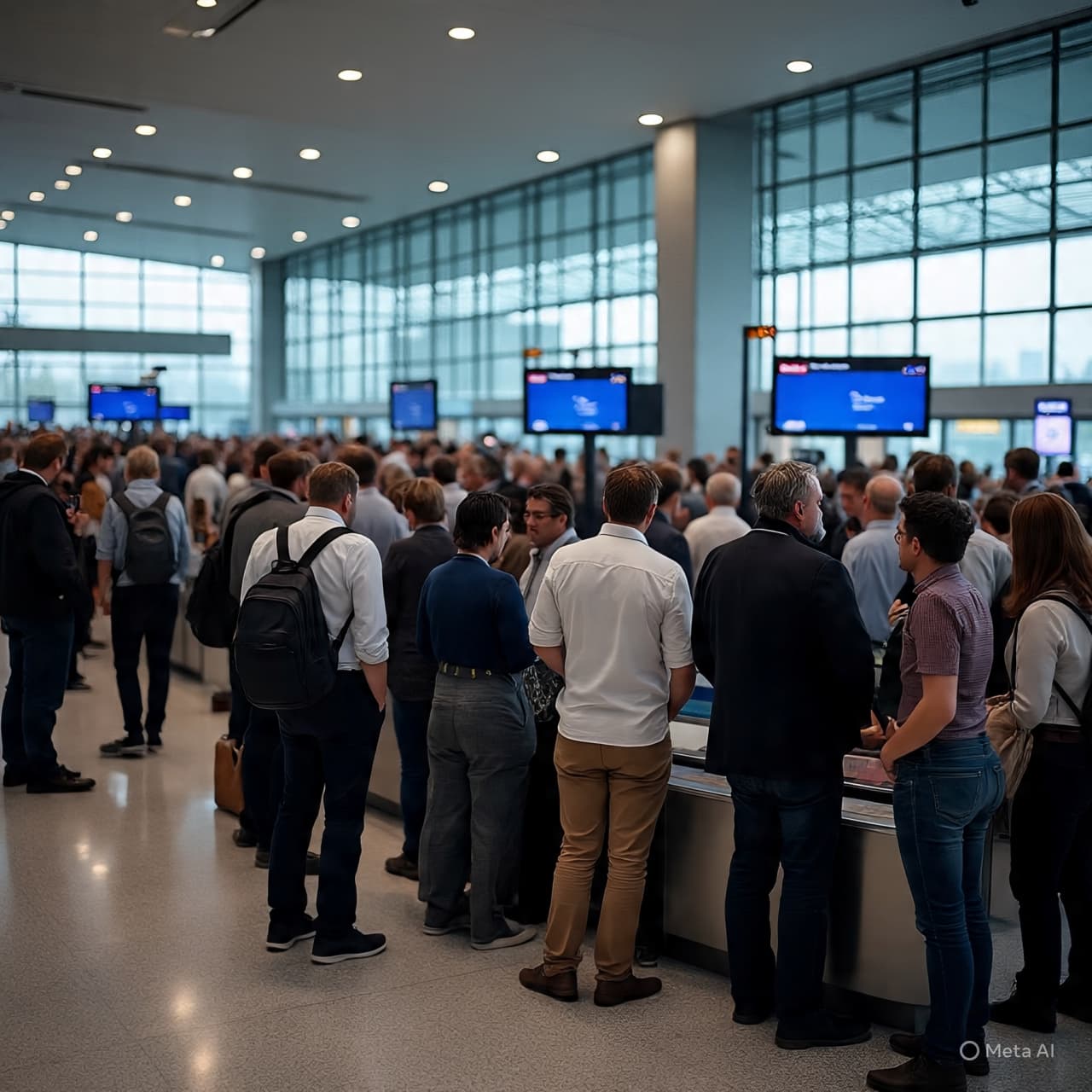
Passengers in Heathrow’s terminals found themselves in an unfamiliar lull — trolleys idled, gate agents conferred quietly, and hopeful faces waited near information screens that flickered with “Cancelled” beside flight numbers. It was a scene where anticipation met patience, and plans were gently reshaped by forces larger than any schedule. Beyond Heathrow, other UK airports including Manchester, Gatwick and Edinburgh reported similar disruptions, as the ripple effects from the storm’s impact in the U.S. echoed through the global air network.
Across airline operations, the message was clear: safety must steer the choices of crew and carriers. Weather conditions at destination airports, where snow was measured in feet rather than inches and coastal winds battered approach paths, left little option but to halt flights and reset timetables. Ground staff and crews worked behind the scenes, rebooking travellers, readying aircraft for future departures, and tending to those whose journeys had been delayed by nature’s unwieldy hand.
For some travellers, this storm became a reminder that even the most modern travel plans are at the mercy of weather’s ancient rhythms — that a blizzard on one continent can reshape itineraries on another, connecting distant airports in a shared story of disruption, patience, and adjustment.
Closing Storm Hernando has prompted widespread cancellations and delays across transatlantic air travel. London Heathrow saw multiple services to New York’s major airports called off on Monday, and carriers have advised travellers to check the status of scheduled flights in the coming days. Airlines are offering flexible rebooking options as recovery plans unfold and airport operations gradually resume.
AI Image Disclaimer Visuals are created with AI tools and are not real photographs.
Sources Reuters Associated Press (AP) Condé Nast Traveller / CN Traveller Travel Weekly Travel and Tour World
Published by Banx Network. This article is part of the Banx decentralized media programme, powered by the BXE token on the XRP Ledger.