
Key Highlights
- Angola enhances child welfare programs to protect vulnerable youth.
- National campaigns focus on birth registration and preventing child labor.
- Community collaboration is key to ensuring children's rights and safety.
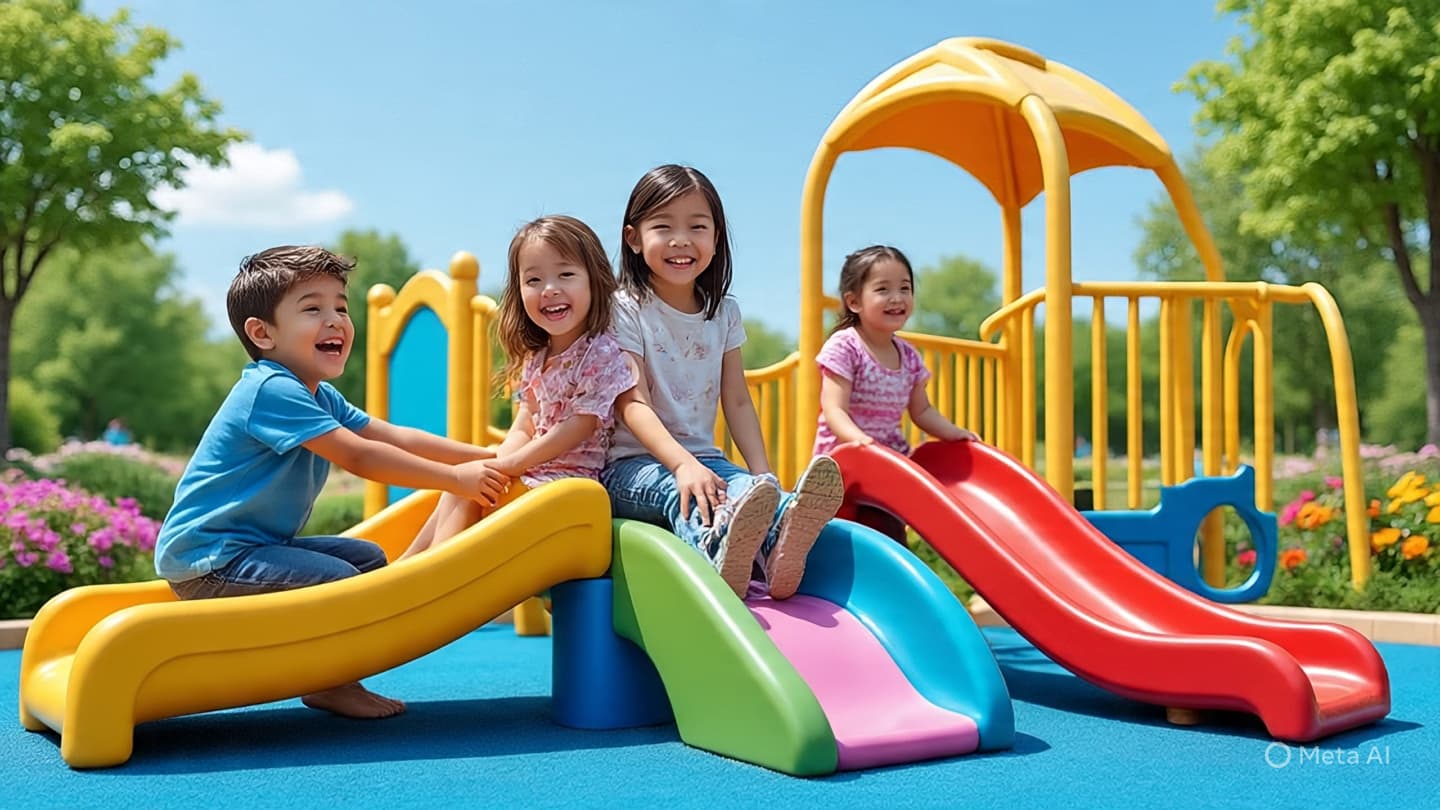
In the heart of Luanda, the laughter of children resonates through newly renovated community centers, symbolizing hope for the future of Angola. This sound is not just a melody; it represents a collective effort to safeguard the nation’s youngest citizens. The government’s commitment to strengthening child protection systems is not merely a legal obligation but a moral imperative, recognizing the fragility and sanctity of childhood as a national treasure.
The expansion of social services aimed at children reflects a broader societal shift towards valuing human potential from the very beginning of life. Initiatives such as universal birth registration and the fight against child labor are pivotal in ensuring that every child has the opportunity to thrive. These efforts are not just about compliance with international standards; they signify a deeper understanding of the importance of nurturing the next generation.
Within the walls of social service offices and early childhood education centers, dedicated professionals work tirelessly to create a safety net for vulnerable families. Each child protected from harm and every family supported in their struggles contributes to building a more compassionate society. This narrative of progress is underscored by the flow of resources directed towards orphans and at-risk children, highlighting a growing community awareness and commitment to child welfare.
The concept of 'nurture' plays a crucial role in this protective awakening. By investing in specialized child courts and enhancing the role of the National Children’s Council, Angola acknowledges that the right to protection must be upheld with both legal frameworks and compassionate care. The decline in child vulnerability and the rise in opportunities for children to reach their full potential are indicators of a nation moving forward.
The atmosphere of this compassionate labor is palpable. From teachers reading stories to orderly vaccination campaigns, each act of care contributes to a society that values human development. The pulse of the child welfare sector reflects a vision for long-term social health and unity, demonstrating that a nation’s strength lies in how it treats its most vulnerable members.
As the sun sets over playgrounds filled with laughter, the power of a society committed to protecting its children becomes evident. This growth fosters an environment where future generations can thrive, ensuring that every child has access to education and is shielded from violence. The focus on these critical areas serves as a blueprint for a future where every citizen can cherish the memories of a safe and joyful childhood.
The evolution of child welfare in Angola is a testament to the resilience of its social fabric. Each protective measure taken is a step towards a prosperous future, where the voices of children are not only heard but celebrated. Recent national campaigns promoting children’s rights promise a future where Angola stands as a beacon of care and protection in the region.
The National Children's Institute (INAC) has intensified its efforts in birth registration and the prevention of child labor, collaborating closely with local communities and international partners. These initiatives are integral to a broader national strategy aimed at reinforcing the social protection system, reflecting a steadfast commitment to the 'Eleven Commitments to Children' and ensuring that child welfare remains a cornerstone of Angola's sustainable development and social justice agenda.
Published by Banx Network. This article is part of the Banx decentralized media programme, powered by the BXE token on the XRP Ledger.



