
Key Highlights
- Earthquake Impact:General Santos International Airport closed due to 7.8 magnitude quake.
- Flight Cancellations:Seventeen domestic flights canceled, affecting numerous travelers.
- Safety Inspections:Runway damage requires thorough assessment before reopening.
General Santos International Airport, a vital hub for the region, has come to a standstill following a powerful 7.8-magnitude earthquake that struck the area. This seismic event has not only disrupted daily operations but has also highlighted the fragility of infrastructure that connects communities across the Philippines. On the morning after the quake, the airport, usually bustling with activity, was eerily quiet as operations were suspended and seventeen scheduled flights were canceled.
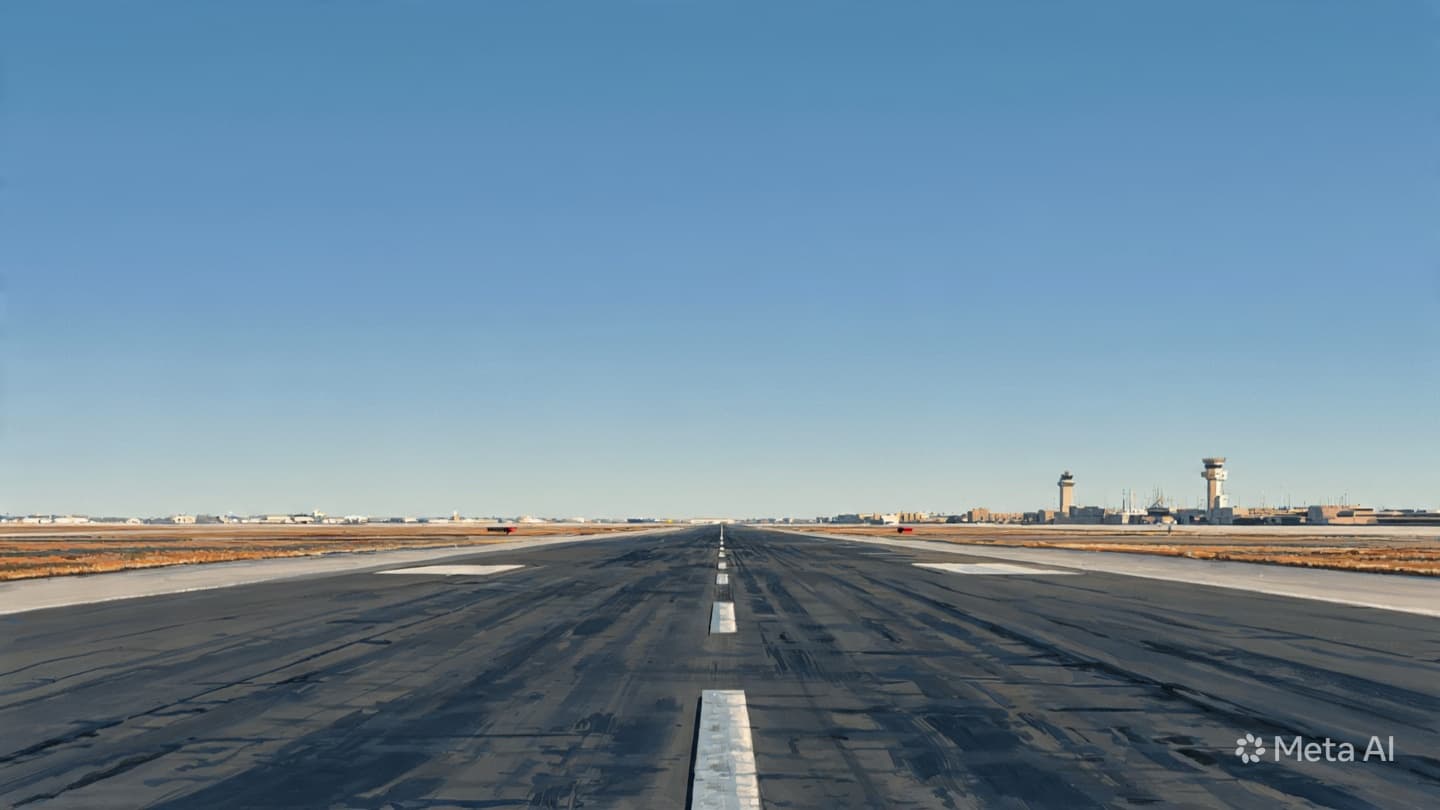
The earthquake caused significant structural damage to the airport's runway, leading to cracks and deformations that posed safety risks for aircraft operations. The Civil Aviation Authority of the Philippines (CAAP) promptly issued a notice to airmen, indicating that the runway would require extensive inspections before it could safely accommodate flights again. This decision underscores the aviation industry's commitment to safety, where even minor uncertainties can lead to major operational changes.
For travelers caught in this disruption, the day turned into one of unexpected delays and altered plans. The airport terminal, typically filled with the sounds of boarding announcements and the hustle of passengers, transformed into a space of shared patience. Airlines are working diligently to rebook affected passengers, directing them to alternative airports such as Davao or Cotabato. This situation serves as a reminder of the interconnectedness of travel and the need for flexibility in the face of unforeseen events.
The silence at the airport is a poignant reminder of how reliant society is on its infrastructure. While we strive to create resilient systems capable of withstanding daily pressures, natural disasters reveal the vulnerabilities that lie beneath. The integrity of these networks is crucial, and when they are compromised, the effects ripple through communities, affecting not just travel but the economy and social interactions as well.
Engineers and safety inspectors are currently assessing the runway's condition, meticulously evaluating the extent of the damage. This process is critical and cannot be rushed, as the safety of future flights depends on a thorough understanding of the runway's structural integrity. The CAAP has indicated that the airport will remain closed to commercial flights until at least June 11, 2026, allowing ample time for repairs and inspections to ensure that when operations resume, they do so safely.
As the city of General Santos navigates the aftermath of the earthquake, the airport stands as a silent witness to the recovery efforts. The closure of the airport is not just a logistical challenge; it is a moment for reflection within the aviation sector. Lessons learned from this incident will be vital in preparing for future challenges, ensuring that the gateway to General Santos is robust enough to handle whatever may come next.
In the meantime, the community continues to demonstrate resilience, adapting to the changes brought about by the earthquake. The grounding of flights is just one aspect of a larger recovery effort, and as the runway is repaired, the airport will once again become a symbol of connectivity and movement, restoring the rhythm of life that defines General Santos.
Published by Banx Network. This article is part of the Banx decentralized media programme, powered by the BXE token on the XRP Ledger.



