There is a particular kind of silence that methane keeps—odorless, colorless, invisible to the naked eye, yet carrying a warming power that exceeds carbon dioxide many times over in the short term. For decades, the leaks that released it went largely unseen, hidden in the vast networks of wells, pipelines, and processing facilities that span the globe. Then the satellites began to watch.
MethaneSAT, a mission developed by the Environmental Defense Fund and international partners, operated between March 2024 and June 2025, designed specifically to fill a critical gap in methane monitoring. Unlike point-source imagers that sample only pre-selected locations, MethaneSAT could monitor 200-kilometer swaths at medium spatial resolution with high spectral sensitivity, linking individual sources to broader regional trends . Its instruments measured in the 1598–1683 nanometer spectral window, detecting methane concentrations across entire oil and gas basins .
What the satellite revealed was sobering. Researchers analyzed MethaneSAT observations over the world's major oil and gas hotspots and found particularly strong and persistent sources in Turkmenistan's South Caspian basin and the Midland sub-basin of the US Permian Basin. They also identified major super-emissions in Maturin, Venezuela, and in the Zagros Foldbelt and Widyan regions of Iran, as well as the Appalachian basin. Strong methane sources were detected at high latitudes in West Siberia, from offshore platforms in the Gulf of Mexico, and from the waste sector .
The satellite's minimum detection limit was approximately 500 kilograms per hour under bright surface and low wind conditions, with an average detection limit around 1,300 kilograms per hour across varying observation conditions . These figures matter because they define what kind of leaks can be seen from space—and what may still remain hidden.
MethaneSAT stopped operating on June 20, 2025, after contact with the satellite was lost . But the data it produced continues to inform understanding of a problem that experts describe as one of the fastest ways to reduce emissions. UNEP's Methane Alert and Response System, which integrates data from more than 30 satellites, has confirmed mitigation of over 40 major methane sources, including a corroded pipeline in Iraq that leaked an estimated 18,600 tonnes over nearly two years—a climate impact comparable to around 356,000 gasoline-powered cars driven for a year .
The question that remains, as one observer put it, is not whether the technology exists to find and fix these leaks. It is whether the will exists to act on what the satellites have shown.
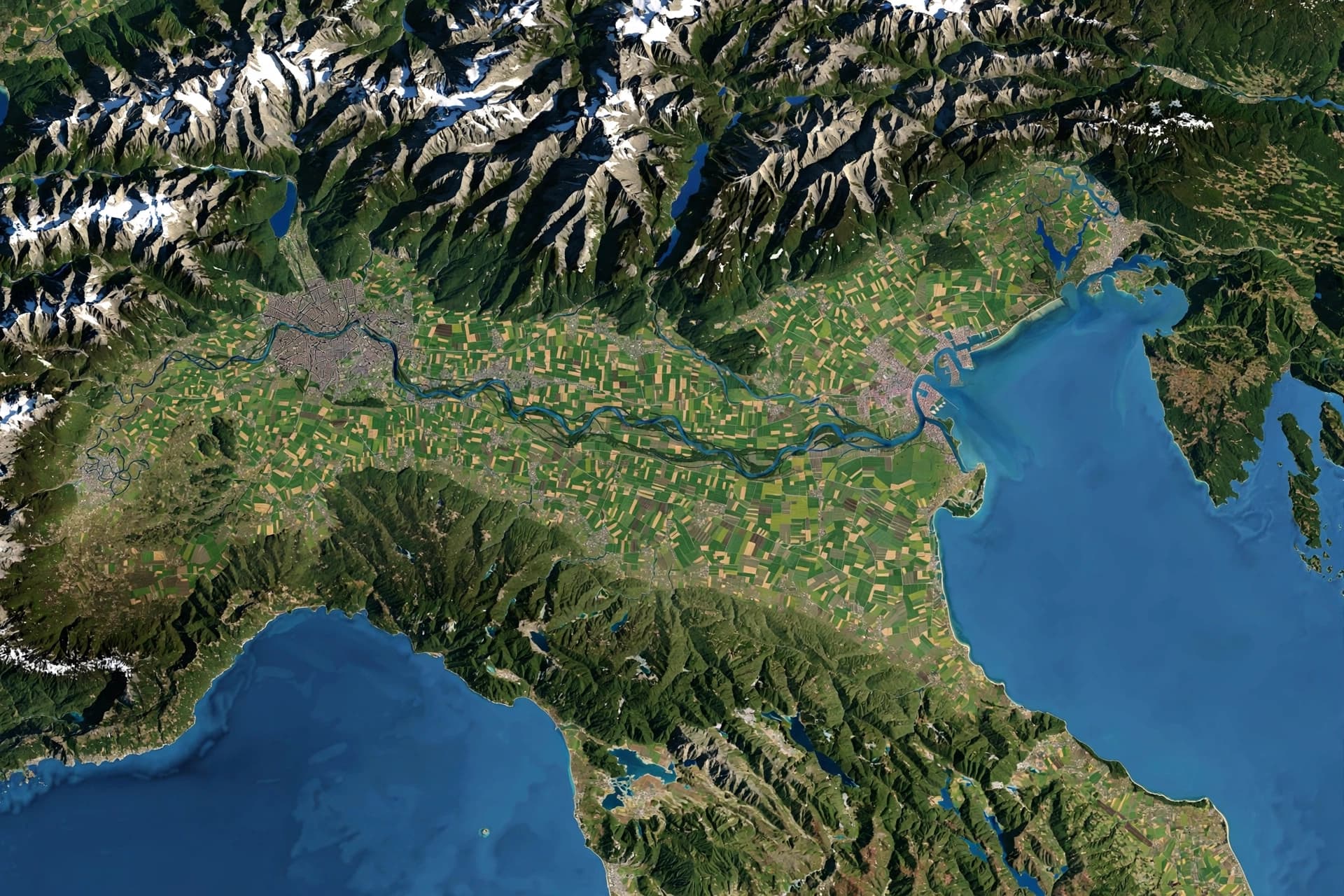
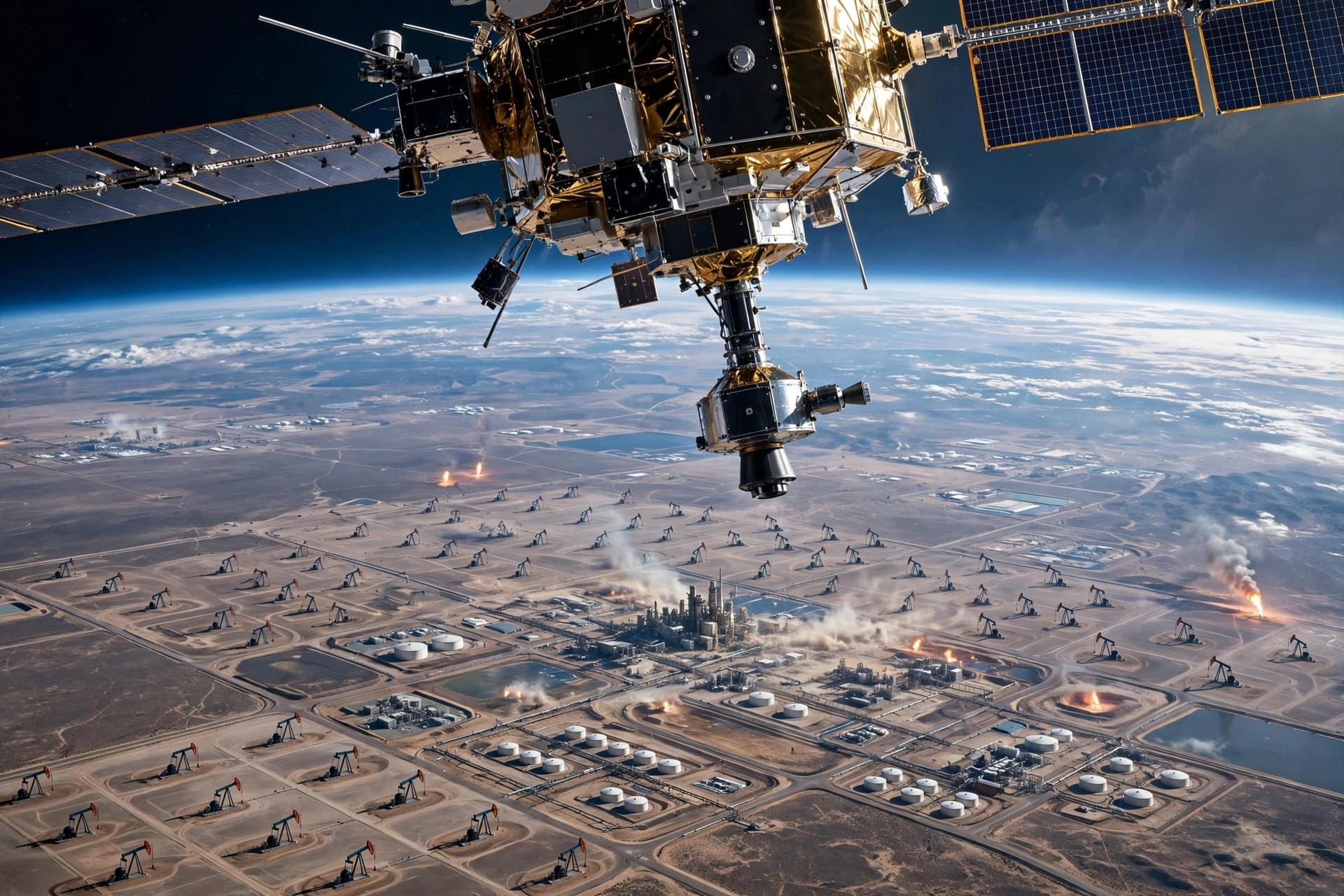
AI Image Disclaimer: The accompanying visual is AI-generated and does not depict actual satellite imagery or methane plumes.
Sources: Atmospheric Chemistry and Physics, UNEP Methane Alert and Response System, The Cool Down, NDTV
Published by Banx Network. This article is part of the Banx decentralized media programme, powered by the BXE token on the XRP Ledger.