
Key Highlights
- Recent attacks in Ukraine resulted in at least a dozen fatalities.
- Major cities affected include Kyiv, Odesa, and Dnipro.
- The scale of drone and missile deployment has overwhelmed air defenses.
In the ongoing conflict in Ukraine, nights have transformed into harrowing experiences as Russian forces unleash waves of drone and missile strikes across the country. The latest barrage has left at least a dozen people dead and many more injured, marking another grim chapter in a war that has already claimed countless lives.
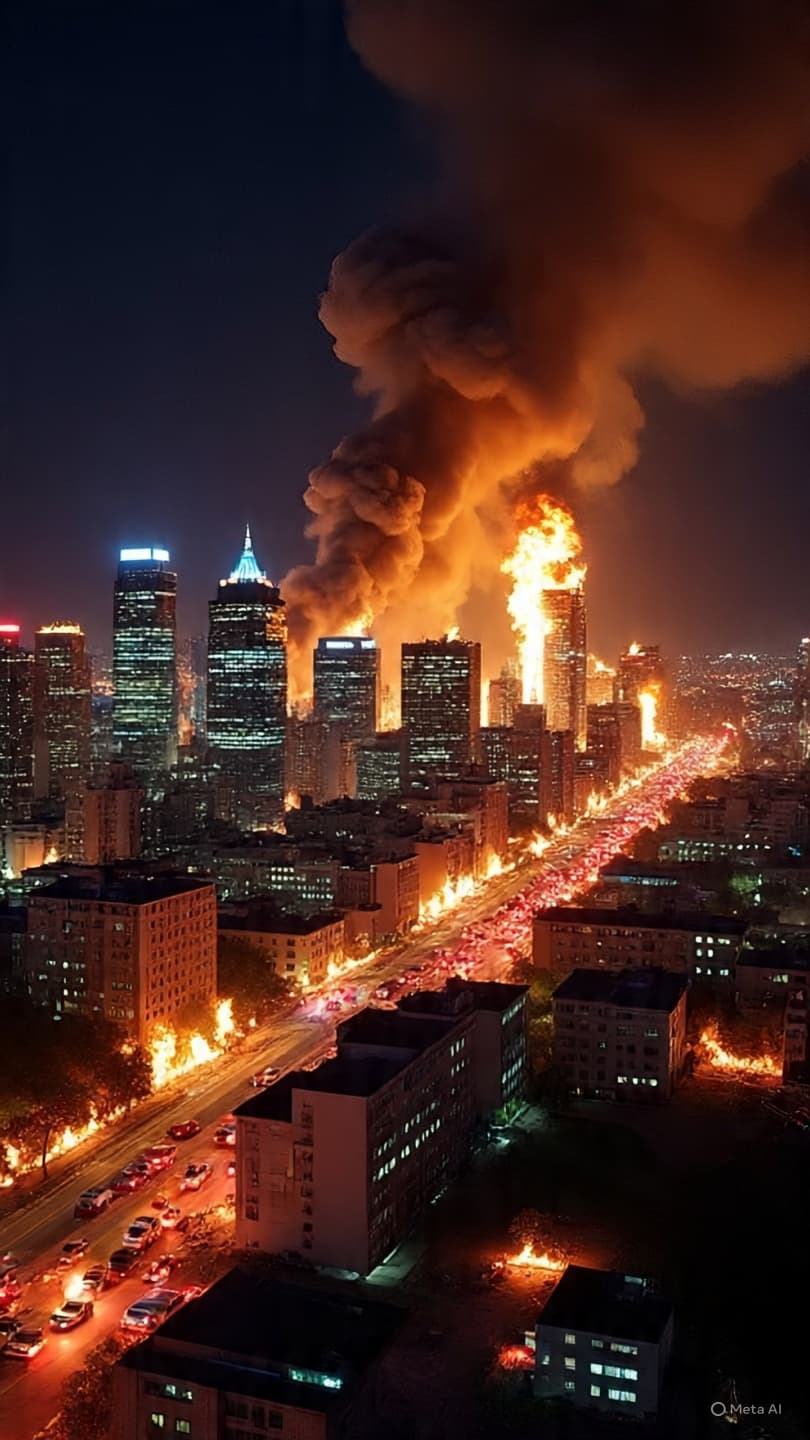
The strikes have targeted multiple cities, with Odesa, a vital port city, suffering significant losses as residential areas were hit. In Kyiv, the capital, the attacks resulted in damage to buildings and civilian casualties, including the tragic death of a child. Dnipro also faced the brunt of the assault, with reports of casualties and fires spreading through urban neighborhoods.
What sets this wave of attacks apart is not just the sheer scale but the strategic coordination behind them. Reports indicate that Russian forces deployed hundreds of drones and dozens of missiles in a concerted effort to stretch and overwhelm Ukrainian air defenses. This tactic not only tests the capabilities of these systems but also increases the likelihood of some projectiles slipping through, resulting in devastating consequences for civilians.
The impact of these strikes is felt acutely by those living in affected areas. Each attack is not merely an isolated incident but part of a broader pattern that creates a pervasive atmosphere of fear and uncertainty. Civilians find themselves in a constant state of readiness, where homes are repaired only to be threatened again by the next wave of strikes. The psychological toll of living under such conditions cannot be overstated, as the unpredictability of attacks disrupts daily life and instills a sense of dread.
In response to the escalating violence, Ukraine has intensified its own drone operations within Russian territory, signaling a shift in the dynamics of the conflict. What began as a geographically contained confrontation has evolved into a more fluid battlefront, with both sides demonstrating the capability to strike deep into each other's territory. This evolution complicates the already fragile situation, as each retaliatory action further undermines the potential for diplomatic resolutions.
Despite the ongoing violence, diplomatic efforts remain crucial yet elusive. Previous attempts at ceasefires have been short-lived, and each new round of strikes not only inflicts physical damage but also complicates the already tenuous conditions necessary for dialogue. As the conflict continues to escalate, the need for a sustainable resolution becomes increasingly urgent.
The situation in Ukraine serves as a stark reminder of the human cost of war, where each statistic represents a life interrupted and a community in distress. As the conflict unfolds, the international community watches closely, hoping for a resolution that can bring an end to the suffering endured by countless civilians caught in the crossfire.
Published by Banx Network. This article is part of the Banx decentralized media programme, powered by the BXE token on the XRP Ledger.



