There are nights when the sky tells two different stories at once. One is written in quiet rooms, where words are chosen carefully and carried across polished tables. The other is etched in sudden الضوء and distant thunder, where meaning arrives not through language, but through impact. In the unfolding events between Iran and Israel, these two narratives appear to exist side by side, each shaping how the moment is understood.
Recent reports indicate that Tehran has launched a missile barrage toward Israel, marking a significant escalation in an already tense environment. The development comes at a time when the United States has suggested that progress is being made in ongoing talks with Iran, introducing a contrast that feels both striking and complex. The rhythm of diplomacy, it seems, does not always quiet the tempo of events on the ground.
The strikes themselves are being viewed through multiple lenses. For some, they represent a calculated message—an assertion of capability and intent amid a broader negotiation landscape. For others, they underscore the difficulty of aligning military realities with diplomatic aspirations. In such moments, actions can speak with a clarity that words struggle to match, even as both continue to unfold in parallel.
Iran’s position appears layered, balancing engagement in talks with a readiness to respond within the regional security framework it perceives. This dual approach reflects a broader pattern, where participation in dialogue does not necessarily signal a pause in strategic activity. Instead, it suggests an effort to maintain leverage while navigating a complex set of expectations.
For Israel, the reported missile barrage reinforces ongoing concerns about security and deterrence. Responses are shaped not only by immediate considerations but also by a longer view of regional dynamics. Each development becomes part of a wider calculation, where the implications extend beyond the present moment.
Meanwhile, the United States’ assertion of progress in talks adds another dimension to the unfolding situation. Such statements often aim to sustain momentum and signal possibility, yet their resonance can be affected by simultaneous events. When diplomacy and conflict move in tandem, the space between them becomes a place of interpretation, where observers search for coherence.
Across the region, the broader implications continue to take shape. Neighboring states, long attuned to shifts in this landscape, are likely to assess both the immediate developments and the underlying signals. The interplay between escalation and engagement creates an environment where certainty is elusive, and each step forward carries multiple meanings.
In this context, the situation resembles a conversation interrupted—one where dialogue continues, but is punctuated by moments that challenge its direction. Whether these interruptions alter the course of talks or become part of their evolution remains to be seen.
For now, reports confirm that missile activity has taken place and that diplomatic discussions are ongoing. Officials from various sides continue to communicate, while developments on the ground are being closely monitored. The path ahead remains uncertain, shaped by both the persistence of dialogue and the realities unfolding alongside it.
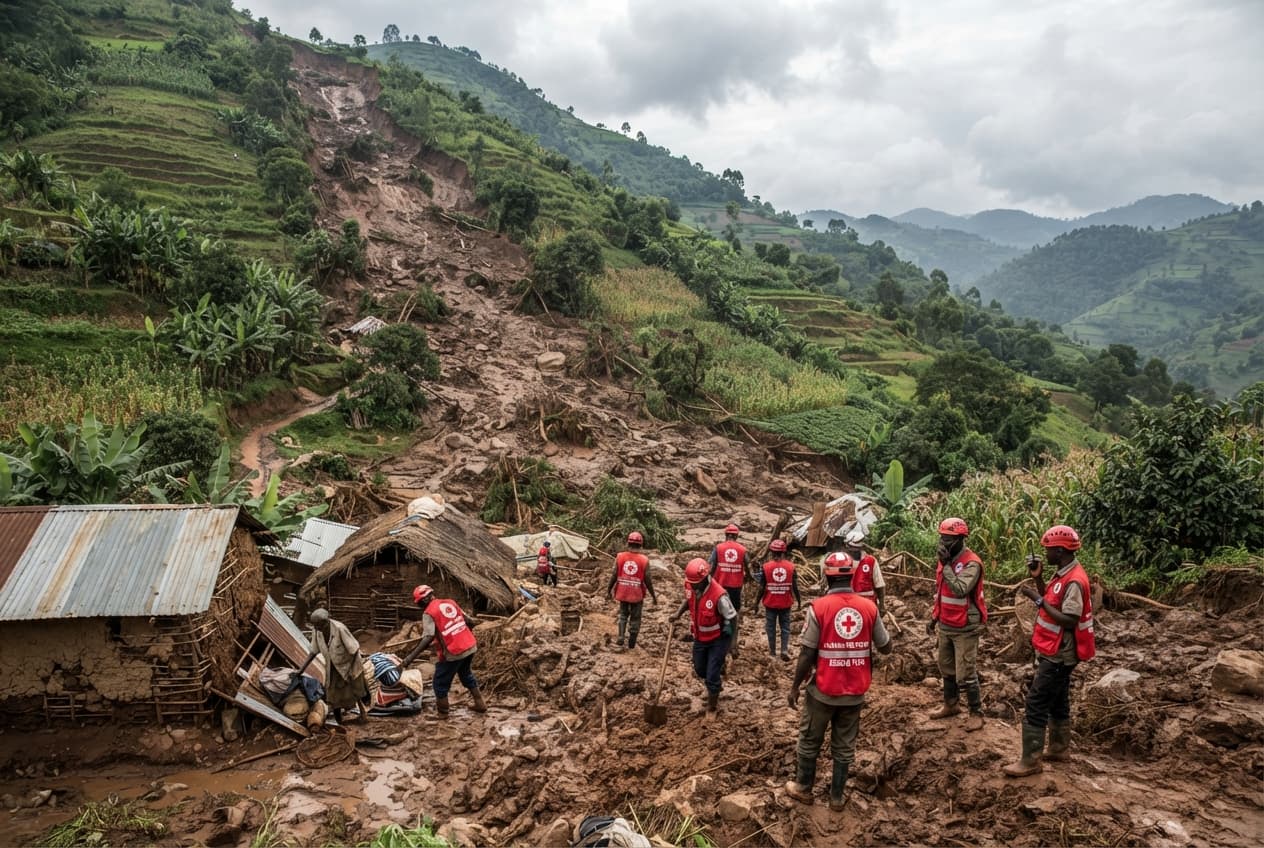
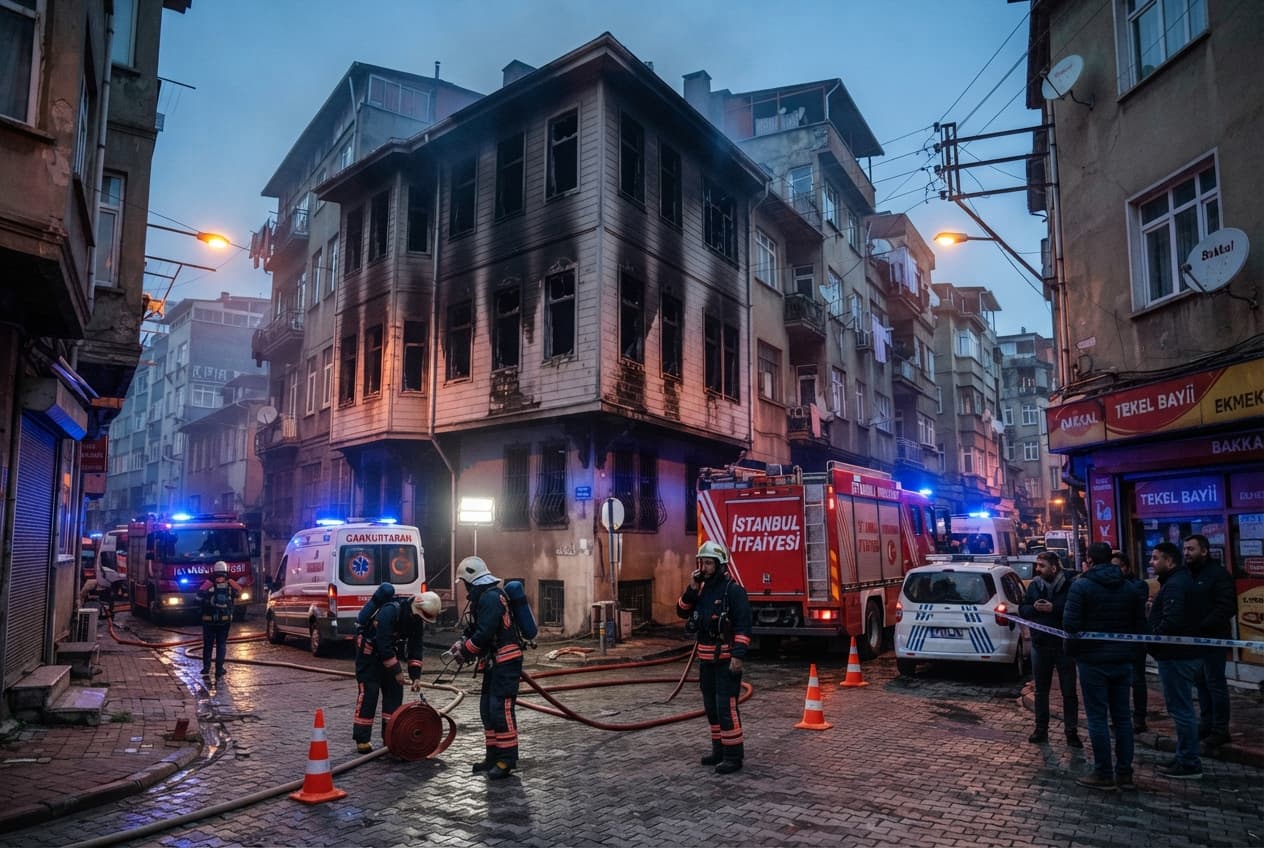
AI Image Disclaimer Images in this article are AI-generated illustrations, meant for concept only.
Source Check (Credible Media Identified): Reuters BBC Al Jazeera The New York Times CNN
Published by Banx Network. This article is part of the Banx decentralized media programme, powered by the BXE token on the XRP Ledger.