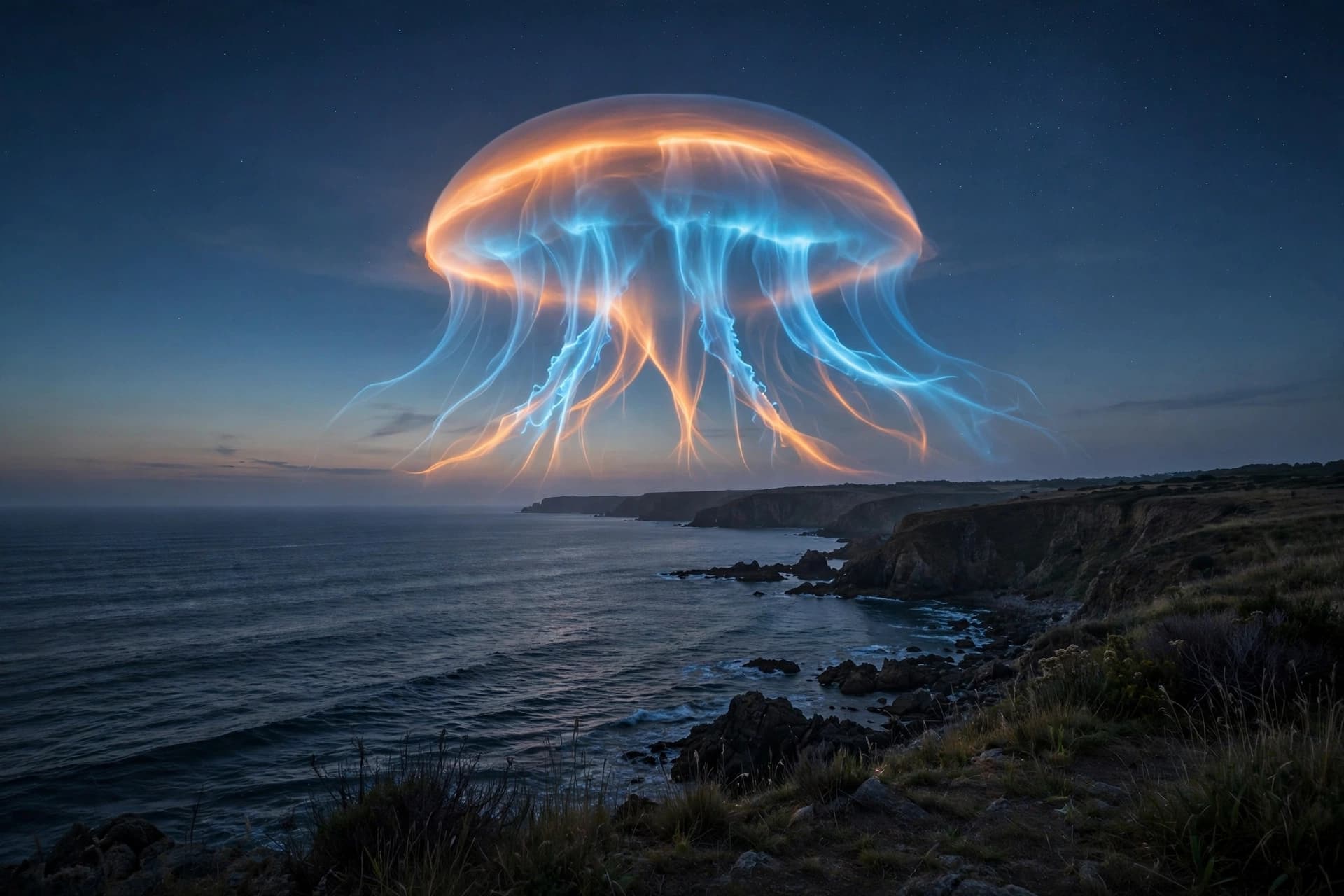
There are nights when the sky feels like a distant archive—unchanged, silent, holding its stories beyond reach. And then there are nights when it seems to open, briefly, as if offering fragments of motion to anyone willing to look. The 2026 has been one such moment, not only observed, but captured in images that carry both clarity and wonder.
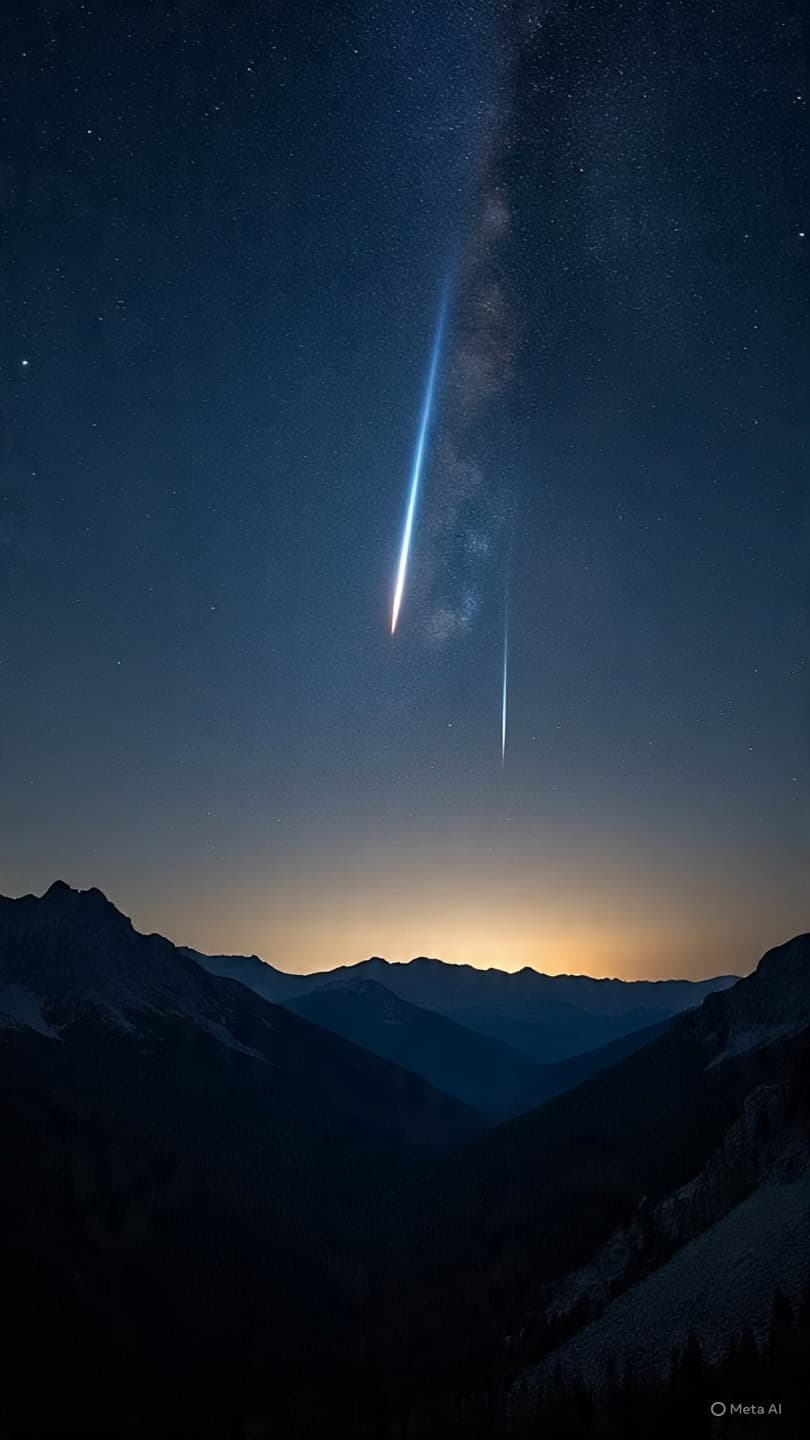
Across different parts of the world, photographers turned their lenses upward, gathering streaks of light that appeared and vanished in seconds. These meteors, remnants of debris from Comet Thatcher, entered Earth’s atmosphere at high speed, igniting into luminous trails. Some images reveal single, delicate lines cutting through the darkness; others show multiple streaks layered across the sky, as if time itself had been briefly stitched together.
What makes this year’s collection especially compelling is its range of perspectives. On the ground, long-exposure photography allowed the human eye to see more than it could in real time—capturing not just isolated flashes, but patterns. In rural landscapes, the meteors seem to fall over mountains, forests, and quiet fields, connecting the vastness of space to the stillness of Earth.
From orbit, the view shifts again. Astronauts aboard the recorded meteors skimming the atmosphere from above, where the curvature of Earth becomes part of the composition. In these images, the streaks appear almost horizontal, tracing thin arcs of light along the planet’s edge—a reminder that perspective shapes not only what we see, but how we understand it.
There is also a sense of continuity woven into the spectacle. The Lyrids are among the oldest recorded meteor showers, observed for more than two thousand years. Each year, Earth passes through the same stream of debris, and each year, the sky offers a similar display—yet never the same. Conditions change, viewpoints differ, and the act of observation itself evolves.
The photographs, then, are not simply records. They are interpretations—moments where technology extends perception, allowing fleeting events to be held a little longer. In doing so, they bridge the gap between experience and memory, between what happens and what can be revisited.
When the meteors fade, the sky returns to its usual stillness. But the images remain, carrying traces of movement that would otherwise be lost. In them, the brief becomes lasting—not by changing the event itself, but by giving it a place to stay. AI Image Disclaimer Visuals are created with AI tools and are not real photographs.
Source Check — Credible Media Presence NASA Space.com BBC The Guardian Live Science
Published by Banx Network. This article is part of the Banx decentralized media programme, powered by the BXE token on the XRP Ledger.