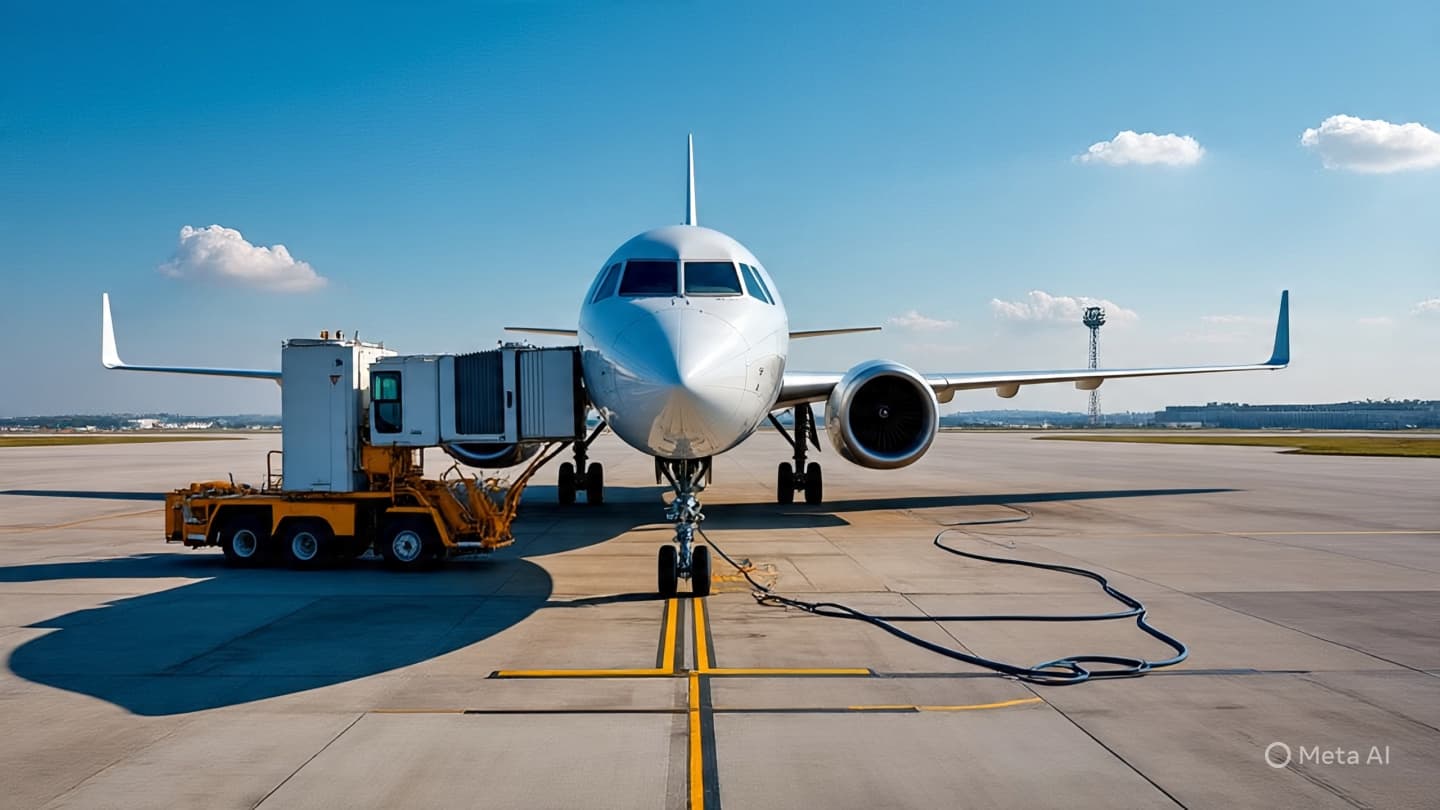
The act of flight is a triumph of physics, a defiance of gravity that has become the backbone of modern connection. Yet, this ascent is increasingly tethered to the heavy realities of the earth below. In the boardrooms of Chinese airlines, a new and somber calculation is being made—a response to the rising temperature of the global energy market. The introduction of increased fuel surcharges is a narrative of necessity, a reminder that the convenience of the sky is inextricably linked to the volatility of the oil that fuels the journey.
To observe the adjustment of a ticket price is to witness the subtle shifting of the global economic tide. It is a story of how a tremor in a distant oil field travels through the complex machinery of trade to land softly on the credit card of a passenger in Beijing or Shanghai. The fuel surcharge is an atmospheric pressure, a weight that settles into the travel plans of millions. It reflects a world where the cost of motion is no longer a constant, but a fluctuating variable.
There is a reflective grace in the way the airlines are navigating this challenge. They move with a pragmatic urgency, seeking to balance the need for operational survival with the desire to keep the skies accessible. This atmosphere of adjustment is a testament to the interconnectedness of our modern world. A rise in the price of crude oil is not just an industrial statistic; it is a change in the way we imagine our vacations, our business trips, and our family reunions.
The economic implications of these surcharges ripple through the entire travel ecosystem. It is a narrative of friction, a slow accumulation of costs that can dampen the enthusiasm of the market. While the desire to travel remains strong, the increasing price of the ticket acts as a quiet barrier, a reminder that the age of cheap, effortless flight may be giving way to a more costly and considered reality. It is a world where every mile is accounted for in the ink of the ledger.
One might contemplate the invisible flow of energy that powers the fleet—the vast, subterranean networks and the great tankers that maintain the pulse of the industry. This is the silent architecture of the air, a system that is currently under immense strain. The decision to raise surcharges is a signal that the airlines can no longer absorb the heat of the market on their own. It is an invitation to the passenger to share in the burden of a volatile world.
The atmosphere of the airport remains one of motion and transition, but there is a new layer of awareness in the air. Travelers look at their itineraries with a more critical eye, calculating the value of the journey against the rising cost of the fuel. This change in perspective is a sign of the times—a movement toward a more conscious and expensive form of connection. The sky remains open, but the price of entry is reflecting the true cost of the flame.
As we look toward the future, the stability of the aviation sector will depend on its ability to adapt to these shifting currents. The increase in fuel surcharges is a temporary measure, a way to weather the current storm. Yet, it also points toward a larger narrative: the need for a more sustainable and less volatile source of power for our journeys. For now, the traveler and the airline must navigate the rising costs together, finding a way to keep the wings in the air even as the price of the flight continues to climb.
Major Chinese carriers, including Air China and China Southern, have announced an increase in domestic fuel surcharges effective immediately. The adjustment follows a sustained rise in international crude oil prices and a corresponding increase in the cost of aviation kerosene. The Standard reports that the new fees will vary based on flight distance, adding a modest but notable cost to domestic air travel as the industry grapples with global energy market volatility.
Published by Banx Network. This article is part of the Banx decentralized media programme, powered by the BXE token on the XRP Ledger.