
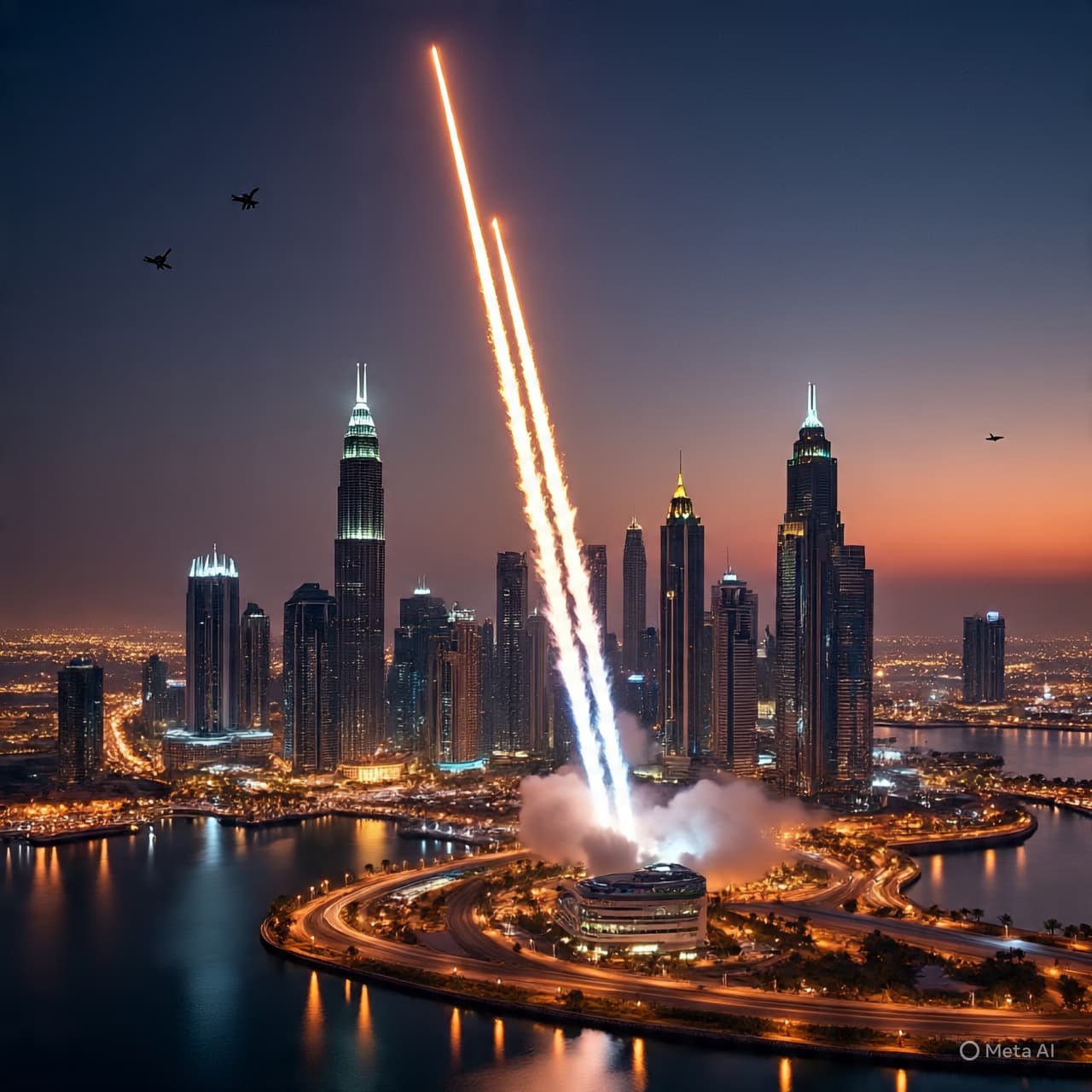
Key Highlights
- Date of Incident:March 2026 marked a significant military engagement in the UAE.
- Attack Details:165 ballistic missiles and 541 drones launched from Iran.
- Casualties:Three lives lost and numerous injuries reported.
On a seemingly ordinary Sunday in early March 2026, the skies over the United Arab Emirates transformed into a battleground. Thousands of residents from Abu Dhabi to Dubai witnessed a dramatic display of military might as 165 ballistic missiles and 541 unmanned aerial vehicles were launched from Iran. This unprecedented assault marked one of the most intense air attacks in recent history, sending shockwaves through the region.
The UAE's air defense systems, equipped and prepared for such threats, engaged in a relentless defense. Reports indicate that 152 of the 165 ballistic missiles were intercepted before they could inflict damage, while 506 of the 541 drones were brought down mid-flight. Despite these successful interceptions, fragments of debris fell across urban areas, igniting small fires and causing structural damage in neighborhoods of Sharjah and Dubai. The human toll was significant, with three individuals—citizens from Pakistan, Nepal, and Bangladesh—losing their lives, and many others suffering injuries from falling debris and shockwaves.
The aftermath of the attack saw a significant disruption to daily life in the UAE. Flights were delayed or suspended, and airspace above major airports fell silent, save for urgent military communications. Authorities emphasized their commitment to civilian safety, urging residents to remain calm and trust official information channels. However, the uncertainty of the situation lingered, as conversations shifted from the usual topics of urban life to concerns over safety and security.
This assault was not an isolated incident but part of a broader pattern of hostilities in the region. It followed a series of U.S. and allied strikes on Iranian targets, which have altered military dynamics and escalated tensions. As world leaders monitored the situation closely, diplomatic efforts were underway to de-escalate the conflict, even as the threat of further attacks loomed.
In the wake of the attacks, the UAE government called for calm and urged residents to stay informed through verified channels. The importance of accurate information became paramount as social media buzzed with speculation and reports. The incident served as a stark reminder of the fragility of peace in a region often marked by conflict and unrest.
As the dust settled, the UAE's response to this unprecedented attack showcased its military capabilities and resilience. The events of that night will likely have lasting implications for regional security and international relations, as the UAE navigates the complexities of its geopolitical landscape.
Published by Banx Network. This article is part of the Banx decentralized media programme, powered by the BXE token on the XRP Ledger.



