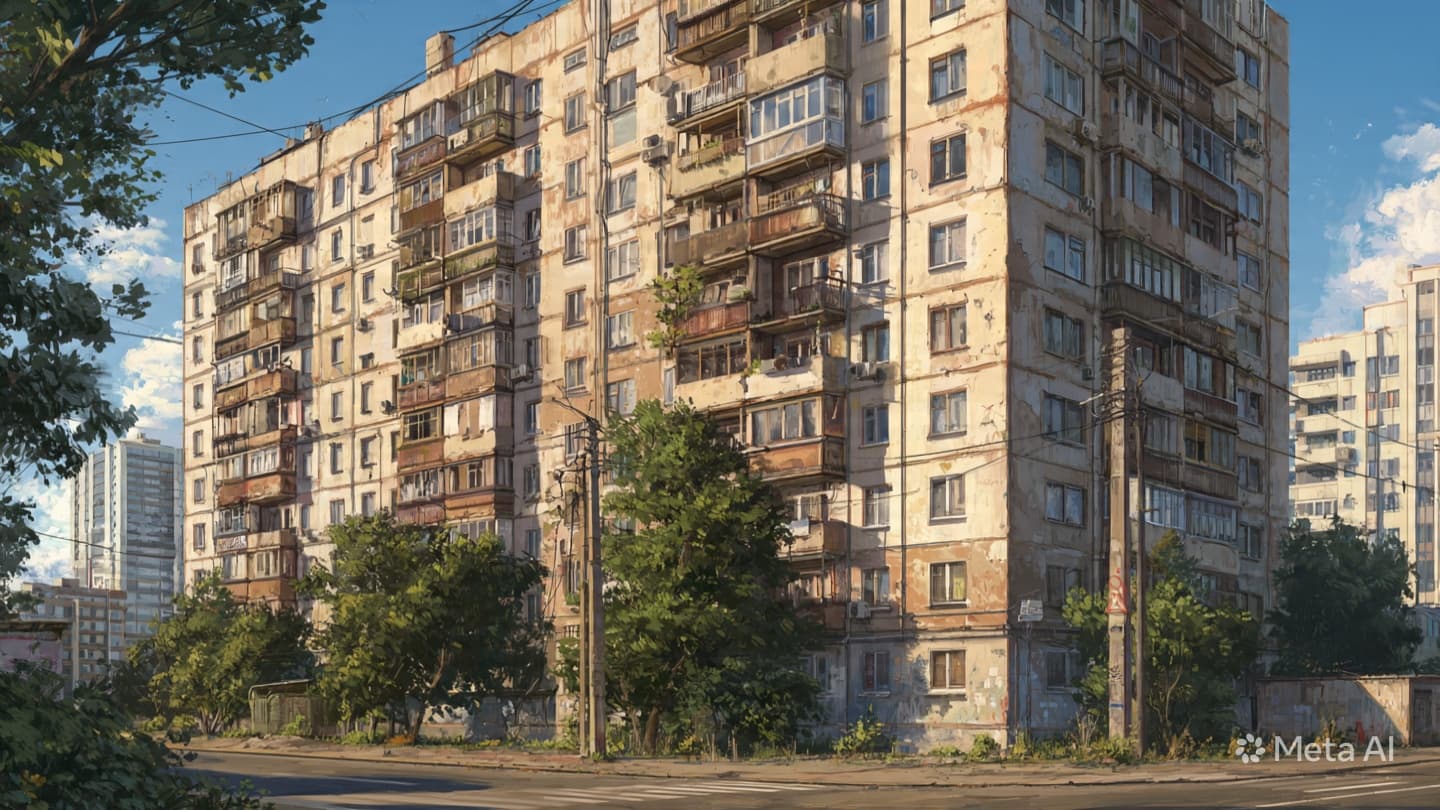
The residential neighborhood, with its quiet courtyards and rows of apartment buildings, is the repository of a city’s daily life—a place where the focus is on the small, manageable rhythms of the family and the home. When that space is suddenly punctured by the arrival of a drone, the disruption is not just physical, but psychological, a sharp piercing of the domestic bubble that protects us from the wider, more chaotic world. It is a moment that forces a city to reckon with the reality that no corner, however quiet or private, is truly isolated from the reach of conflict.
There is a profound, chilling dissonance in the image of a drone strike within a residential zone. The smoke rising above the familiar silhouette of apartment blocks feels out of place, an atmospheric glitch that forces the residents to reorient their understanding of their own neighborhood. The buildings, which were designed for the shelter and stability of the family, suddenly appear fragile, their walls marked by the evidence of an intrusion that feels both personal and terrifyingly impersonal.
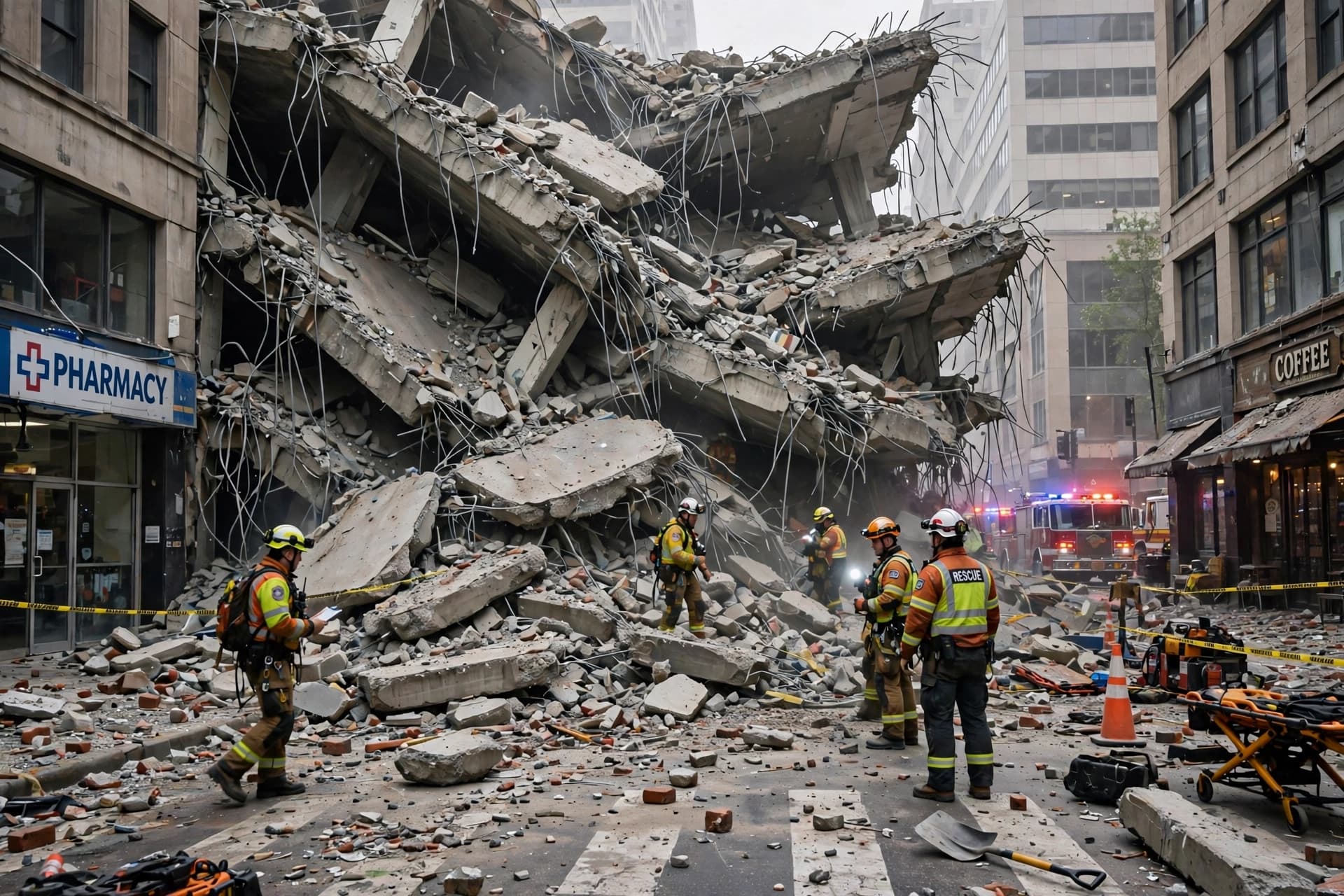
Emergency teams, arriving with their flashing lights and organized focus, offer a necessary sense of order in a scene characterized by confusion and trauma. They move through the rubble with a deliberate, careful pace, their presence a source of comfort to those who have been displaced or startled by the blast. It is their work that transforms the chaos into a managed crisis, providing the first, fragile steps toward the restoration of a normal, functioning environment.
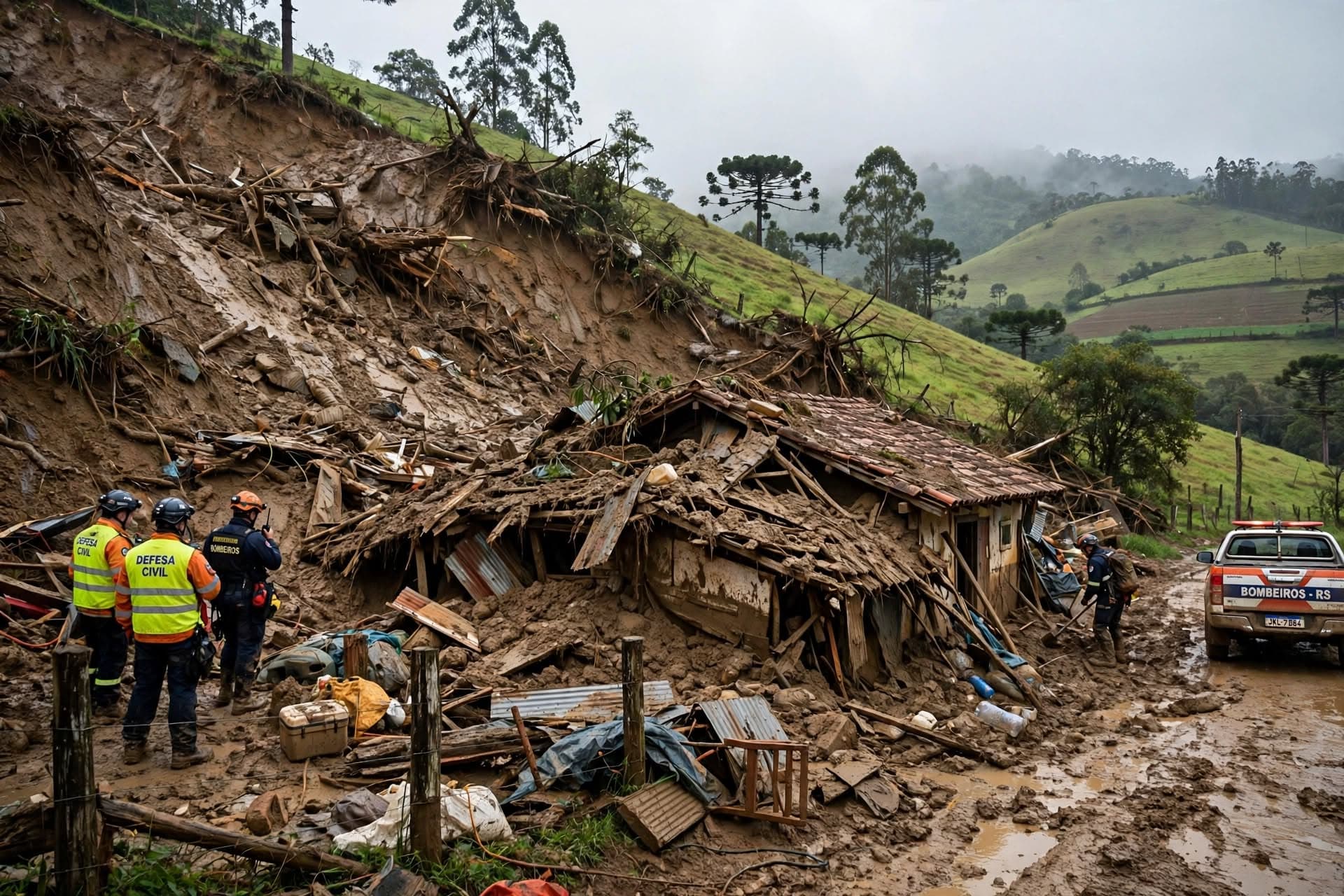
The stories of those affected—the families forced to evacuate, the individuals seeking medical help for their wounds—add a deeply human weight to the statistics of the strike. Each life impacted is a reminder of the fragility of the peace we labor to build within our cities. It is an editorial reflection on the necessity of security, and the tragic reality that the innocent are often the ones caught in the path of these distant, technological confrontations.
As the day turns to night, the neighborhood remains a site of quiet, intense observation. People gather at the perimeter of the cordoned-off area, their expressions reflecting a mix of shock, worry, and a dawning awareness of their own vulnerability. It is a moment of collective introspection, where the residents are forced to look at their city with new eyes, questioning the safety of the spaces they had once navigated with complete, unthinking ease.
The impact of such an attack extends beyond the physical damage to the infrastructure. It creates a lingering sense of uncertainty, a shadow that hangs over the residents as they try to reclaim the normalcy of their routines. The challenge for the city is to rebuild not just the buildings, but the confidence of the people, ensuring that their homes remain places of retreat and safety, rather than reminders of the insecurity that permeates the wider geopolitical landscape.
The strike is a stark, undeniable call to action for the city’s defensive and social services. It forces a conversation about the necessity of protecting the domestic sphere, a challenge that requires both technological solutions and a renewed commitment to the safety and well-being of every citizen. It is a long, arduous process, one that will test the resilience of the community and the dedication of those tasked with keeping it safe.
As the investigations unfold and the debris is cleared, the neighborhood slowly begins the work of recovery. The memory of the event is etched into the collective consciousness of the residents, a reminder that the world is more interconnected—and more volatile—than we might wish to believe. In the end, it is the resilience of the human spirit, the way we find comfort in our connections and strength in our rebuilding, that serves as the final, quiet answer to the chaos of the strike.
On June 18, 2026, a drone attack struck a residential neighborhood in Moscow, causing damage to apartment buildings and leading to a series of injuries among the local population. Emergency and medical services were immediately dispatched to the site to evacuate residents, provide triage for those wounded, and extinguish fires ignited by the impact. Regional authorities have since launched an extensive safety inspection of the affected area, while investigations into the origin and flight path of the drones remain ongoing to bolster existing air defense protocols
Published by Banx Network. This article is part of the Banx decentralized media programme, powered by the BXE token on the XRP Ledger.