Morning light in the central Philippines arrived with a quiet that belied the chaos the night had brought. Among the hills and palm trees of Cebu Province, residents watched skies that had calmed yet held the memory of torrential rain and rising water. The gentle patterns of everyday life — children discovering puddles, workers returning from fields, market stalls opening under soft light — were now set against a landscape reshaped by nature’s sudden turn.
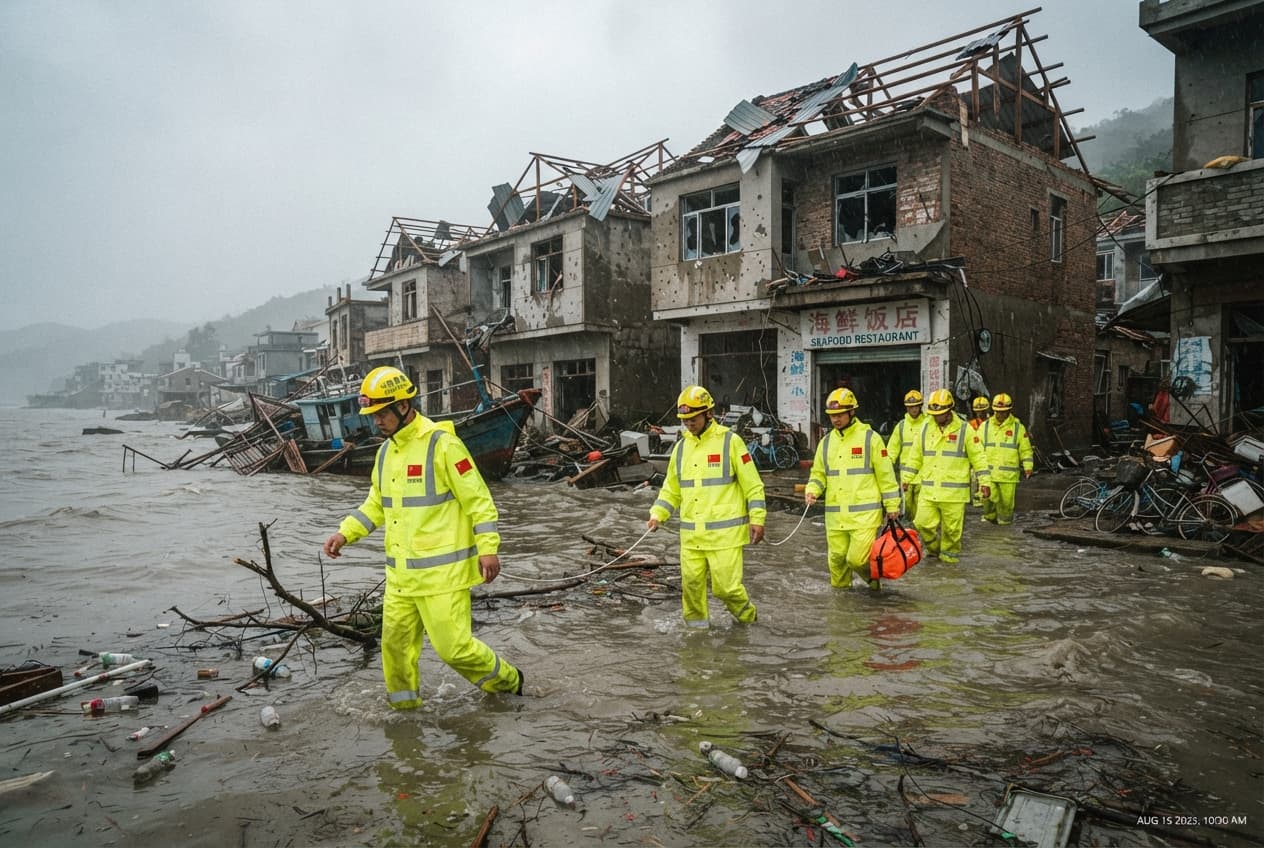
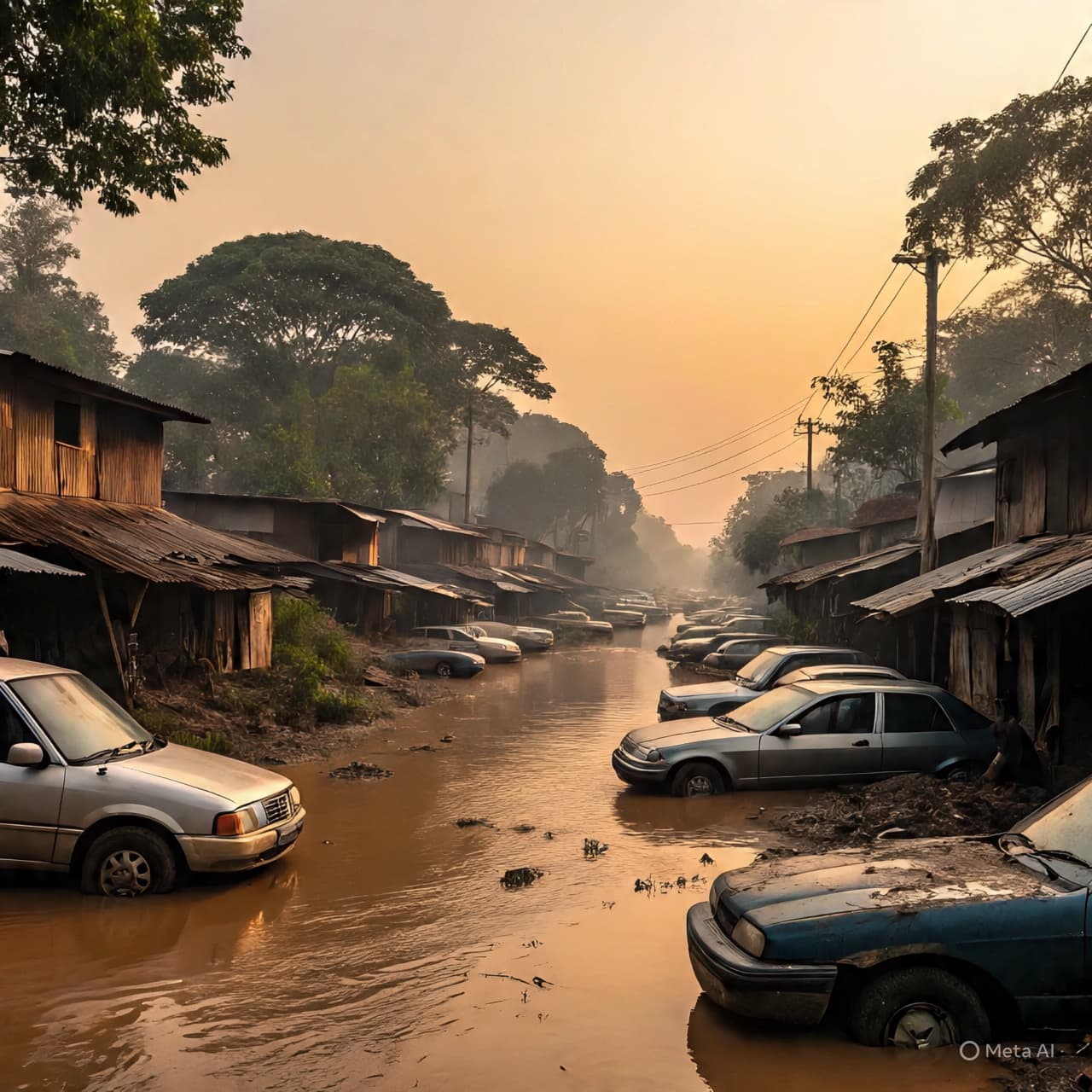
Typhoon Kalmaegi made landfall and wrought devastation across central islands, triggering flash floods, river overflows and mud-slides. Officials report at least 114 dead, with 127 others missing. In the worst-hit province of Cebu, floodwaters rose so fast that entire houses were submerged, cars piled atop each other and neighborhood after neighborhood washed away.
Those losses are layered on top of earlier disasters: just months ago, a magnitude 6.9 earthquake struck northern Cebu, leaving scars that had not fully healed when the torrential storms arrived. One resident reflected that in mere minutes the water “engulfed the first floors of our homes,” forcing families to climb to rooftops.
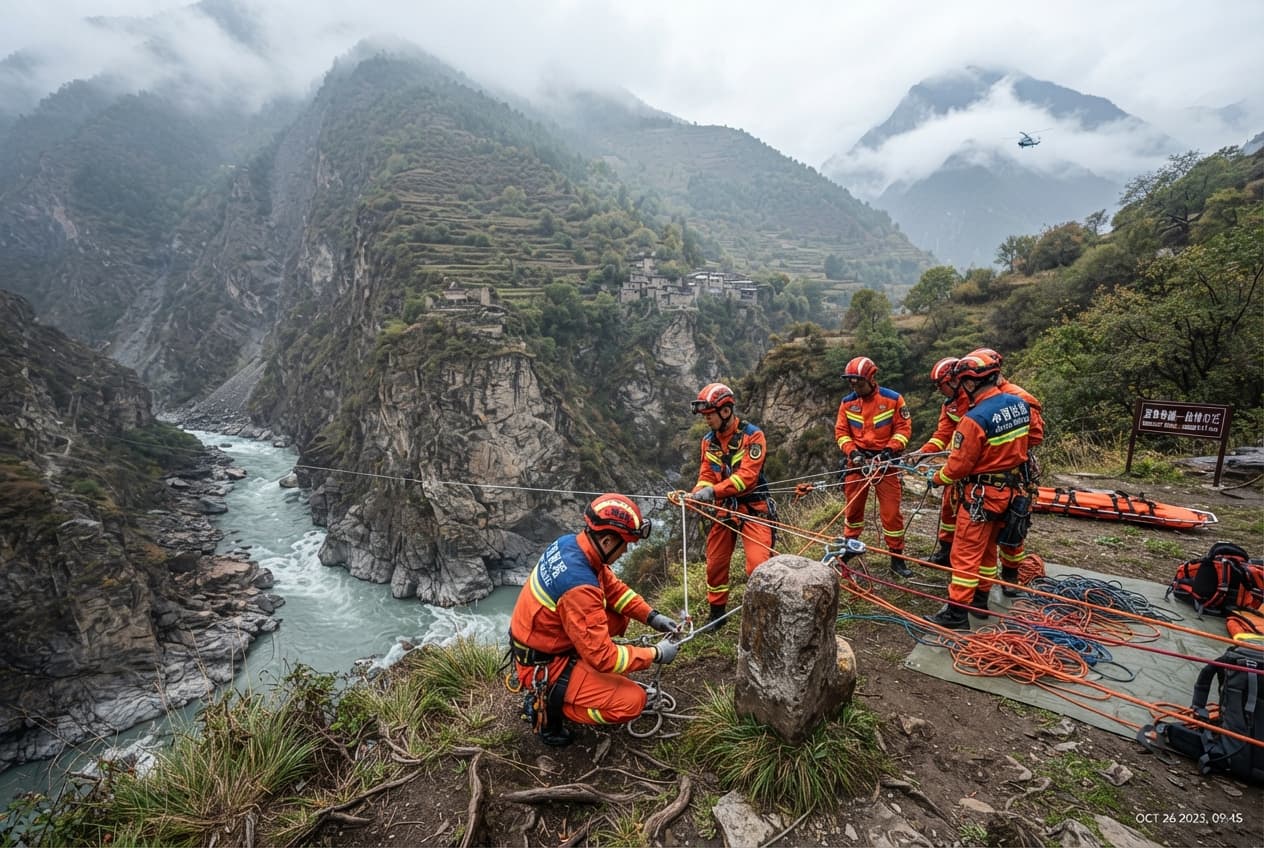
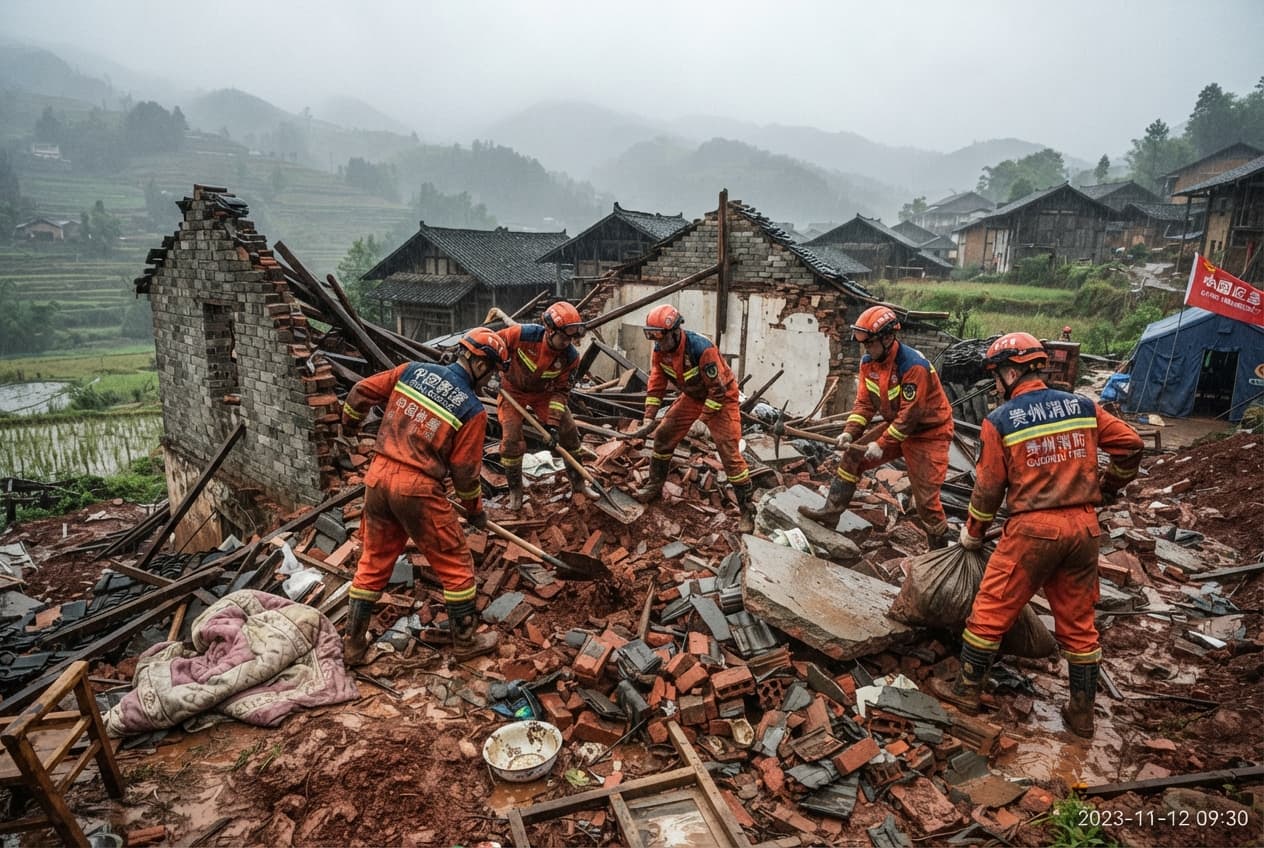
As rescue teams work through the debris, they face both the visible damage and the unseen: missing persons, lives interrupted, homes lost, and the slow ticking of recovery. In towns that once echoed with market calls and sea breezes, there is now the hush of evacuated streets and the vigil of relatives waiting for word. Emergency shelters host hundreds of thousands of displaced people; in some counts more than 560,000 were uprooted.
Behind the sudden disaster lie structural questions: Why did rivers overflow so fast? Why were some flood-controls insufficient? In Cebu, officials pointed to quarrying activity and flood-infrastructure problems that may have amplified the impact. The typhoon now stands as the deadliest natural disaster to hit the country this year.
And yet, in the quiet aftermath, a different narrative is emerging — one of resilience. Neighbors helping neighbors. Volunteers wading through mud to rescue stranded families. Children drawing pictures of their homes intact. The earth is scarred, but life presses on, with that gentle insistence that day follows night and hope follows loss.
The devastation caused by Typhoon Kalmaegi in the Philippines serves as a stark reminder of the country’s vulnerability to powerful storms and the complex interplay of natural forces and human systems. While the emergency response is underway and the declaration of a national calamity opens avenues for aid and rebuilding, the path ahead remains long and uncertain. The full toll of the disaster will only become known in the days to come, but what is already clear is the depth of the challenge: restoring homes, livelihoods and the sense of normalcy for communities that were shaken when water came too fast, and stayed too long.
AI Image Disclaimer “Visuals are created with AI tools and are not real photographs.”
Sources Associated Press Reuters The Washington Post Time Magazine Sky News
Published by Banx Network. This article is part of the Banx decentralized media programme, powered by the BXE token on the XRP Ledger.