
Key Highlights
- Israel conducted a military strike on an Iranian site linked to nuclear weapons development.
- Iran acknowledged the attack, asserting its nuclear program is peaceful.
- Global markets reacted with rising oil prices amid escalating tensions.
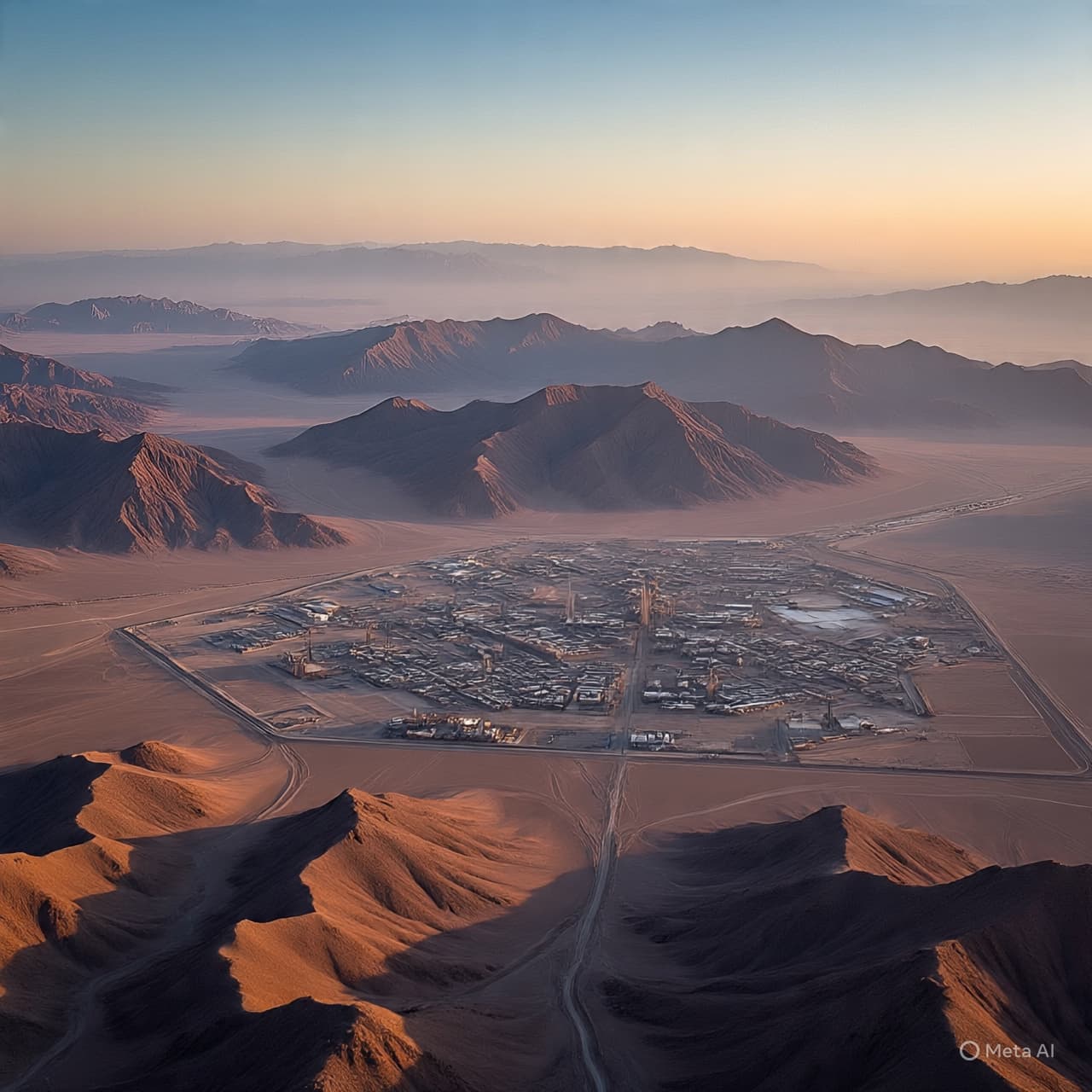
The early hours before dawn often bring a stillness that belies the tensions simmering beneath the surface. In central Iran, where the mountains rise in muted hues, the tranquility was shattered by the news of a military strike. Israel's military announced it had targeted a site in Iran, claiming it was associated with the development of nuclear weapons capabilities. This operation, framed as necessary and precise, marks a significant escalation in the ongoing conflict between the two nations.
Tehran's response was swift, with authorities confirming explosions near sensitive facilities while maintaining that their nuclear program is intended for peaceful purposes. The International Atomic Energy Agency (IAEA) has long monitored Iran's nuclear infrastructure, which includes well-known sites like the Natanz Nuclear Facility and the Fordow Fuel Enrichment Plant. These locations have become synonymous with years of diplomatic negotiations, inspections, and ongoing suspicions from the international community.
For decades, Israel has viewed Iran's nuclear ambitions as a direct threat to its national security. Israeli leaders have consistently indicated a readiness to act unilaterally if they perceive that diplomatic efforts are failing. Iran, on the other hand, insists that its nuclear program is civilian in nature, aimed at energy production and scientific research, and cites its commitments under the Nuclear Non-Proliferation Treaty. However, disputes over uranium enrichment levels and transparency have led to a significant erosion of trust.
The Israeli Defense Forces described the strike as targeting infrastructure believed to support weapons development. Analysts suggest that such military operations are often carefully calibrated to degrade capabilities without provoking a full-scale conflict. However, the delicate balance of power in the region means that even a single strike can have far-reaching consequences, igniting a cycle of retaliation and further military action.
In the aftermath of the strike, reactions poured in from around the globe. The United Nations Security Council was urged to convene, while European officials called for restraint and a renewed commitment to diplomacy. Oil prices reacted almost immediately, climbing as fears of potential disruptions to supply routes emerged. Airlines began reviewing flight paths, and embassies issued advisories, highlighting the urgency of crisis management in a volatile region.
As life in Israel continued under a watchful sky, missile defense systems remained on high alert, a stark reminder of the ongoing conflict. In Iran, images of emergency crews and controlled perimeters circulated, with the state emphasizing its resilience in the face of aggression. Across the Middle East, governments recalibrated their risk assessments, balancing public messaging with private concerns about the implications of the strike.
The extent of the damage from the Israeli strike remains unclear, as does Iran's potential response. While Iranian officials have signaled their right to retaliate, the specifics of any forthcoming action are uncertain. The United States, while not directly involved, reiterated its opposition to a nuclear-armed Iran and called for de-escalation. The diplomatic landscape, once focused on reviving agreements that had deteriorated, now faces a more pressing challenge.
As the sun set over the plateau that witnessed the morning's events, the atmosphere felt charged with uncertainty. The stark facts remain: Israel has struck an Iranian site linked to nuclear weapons, Iran has acknowledged the attack, and global markets are bracing for potential fallout. In a region where history is deeply intertwined with current events, the questions raised by this incident linger—about the future of deterrence, the prospects for diplomacy, and the delicate balance of security and sovereignty.
Published by Banx Network. This article is part of the Banx decentralized media programme, powered by the BXE token on the XRP Ledger.



