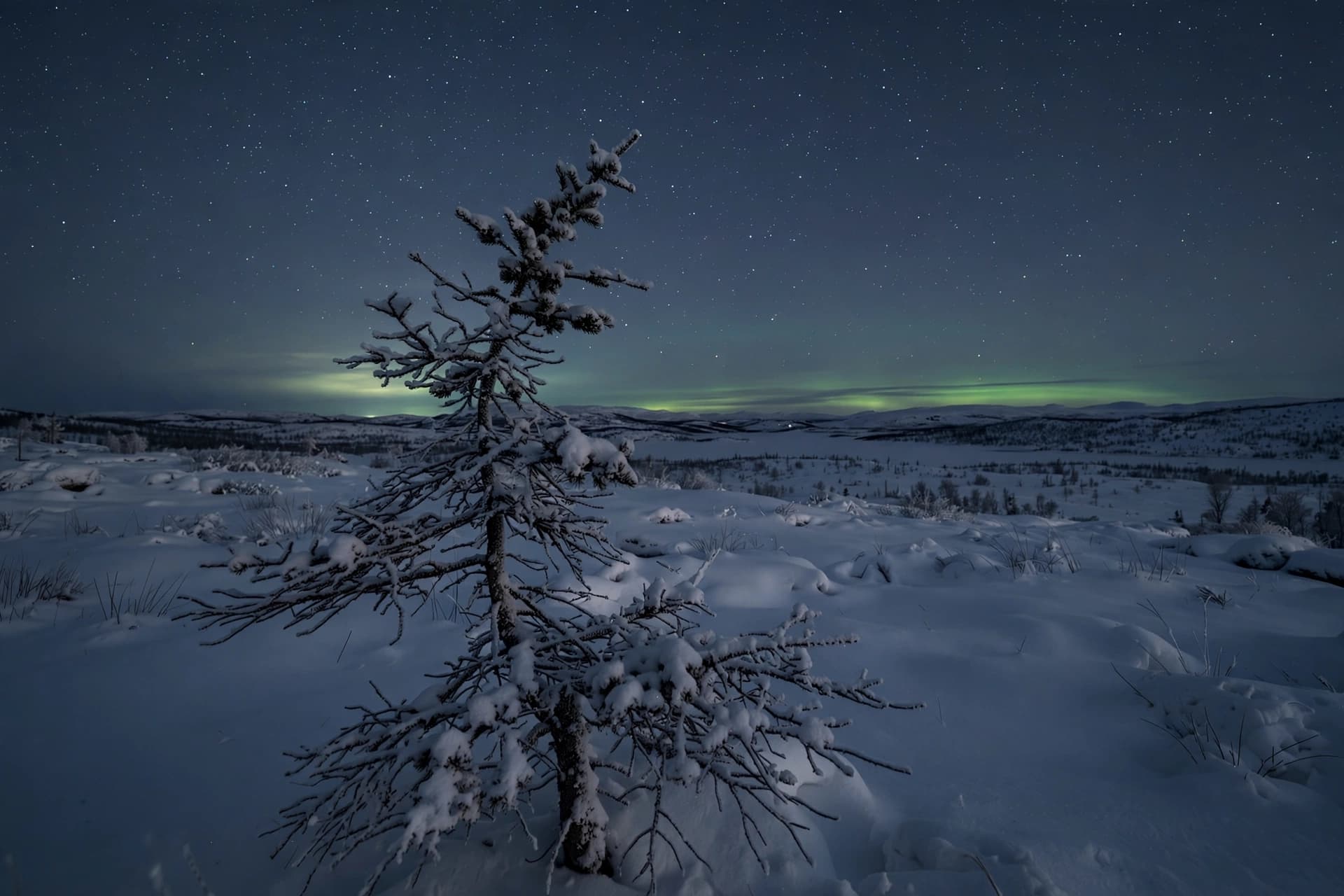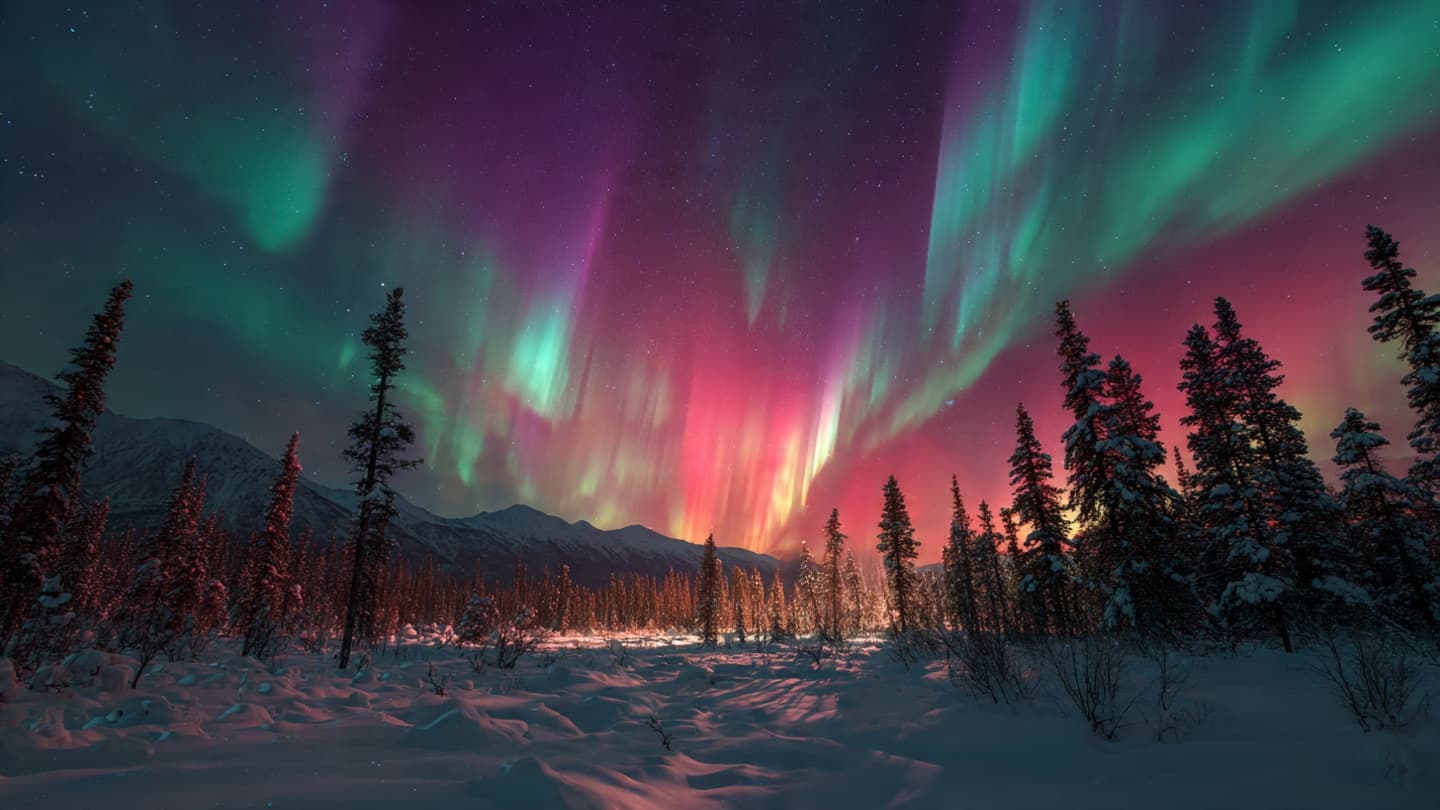
In the quiet northern skies of Canada, where night often stretches wide and uninterrupted, light sometimes arrives not from Earth itself, but from the Sun’s distant and powerful activity. The aurora becomes a visible reminder of forces far beyond the atmosphere.
Auroras are produced when charged particles from solar winds interact with Earth’s magnetic field and collide with atmospheric gases. This interaction creates luminous displays that appear in shifting waves of color across the sky.
Canada lies within a region where auroral activity is frequently visible, making it an important location for both observation and scientific study. Increased solar activity can lead to more frequent and intense auroral events.
Space weather research focuses on understanding how these solar emissions affect not only visual phenomena but also technological systems. Satellites, communication networks, and power grids can all be influenced by stronger geomagnetic activity.
Scientists use ground-based observatories and satellite instruments to monitor changes in solar wind patterns. These observations help improve forecasting models that predict space weather events and their potential impacts.
While auroras are visually stunning and harmless at ground level, the underlying solar activity highlights the interconnected nature of Earth’s space environment and technological infrastructure.
Communities in northern regions often experience these events as part of their natural environment, blending scientific interest with cultural appreciation of the night sky.
As solar cycles continue to evolve, Canada’s auroral displays remain both a subject of scientific research and a natural expression of Earth’s connection to the Sun.
AI Image Disclaimer: Images are AI-generated for illustrative representation of space weather and auroral phenomena.
Sources (media names only): NASA, Space.com, CBC News, Reuters
Published by Banx Network. This article is part of the Banx decentralized media programme, powered by the BXE token on the XRP Ledger.