
Key Highlights
- Taiwan's diplomatic outreach continues despite limited formal recognition.
- China expands its aerial and space capabilities, impacting regional dynamics.
- The Taiwan Strait becomes a critical zone for military and diplomatic engagement.
Taiwan's geopolitical landscape is increasingly defined by the skies above it, where aerial strategies and diplomatic outreach intersect. In recent months, the focus has shifted to how China is enhancing its military presence in the air and space, complicating Taiwan's efforts to secure international recognition and partnerships. As Taiwan seeks to strengthen its informal ties globally, Beijing's military flights and surveillance operations have intensified, creating a layered presence that extends beyond traditional territorial boundaries.
Taiwan, which has operated independently since 1949, faces significant challenges in gaining formal diplomatic recognition. Despite this, it continues to cultivate unofficial relationships through trade, cultural exchanges, and technological collaborations. These efforts often navigate the delicate space between formal statehood and practical engagement, where visibility and influence are paramount. Taiwan's strategy emphasizes building connections that can withstand the pressures exerted by China's claims over the island.
China's stance on Taiwan remains firm, viewing it as a part of its territory. This perspective has led to a significant increase in aerial activities, including military patrols and surveillance flights over the Taiwan Strait. These maneuvers are not merely military exercises; they serve as strategic signals to both Taiwan and the international community. The growing frequency of these flights, coupled with advancements in satellite technology, reflects a broader trend where nations are investing in capabilities that extend their influence beyond land and sea.
For Taiwan, the challenge is to maintain its diplomatic outreach in an environment constrained by its political status. The island's efforts to participate in international organizations and secure informal agreements are continually shaped by the limits imposed by its lack of formal recognition. Nevertheless, Taiwan persists in its diplomatic initiatives, often focusing on sectors like technology and trade, where partnerships can flourish despite political obstacles.
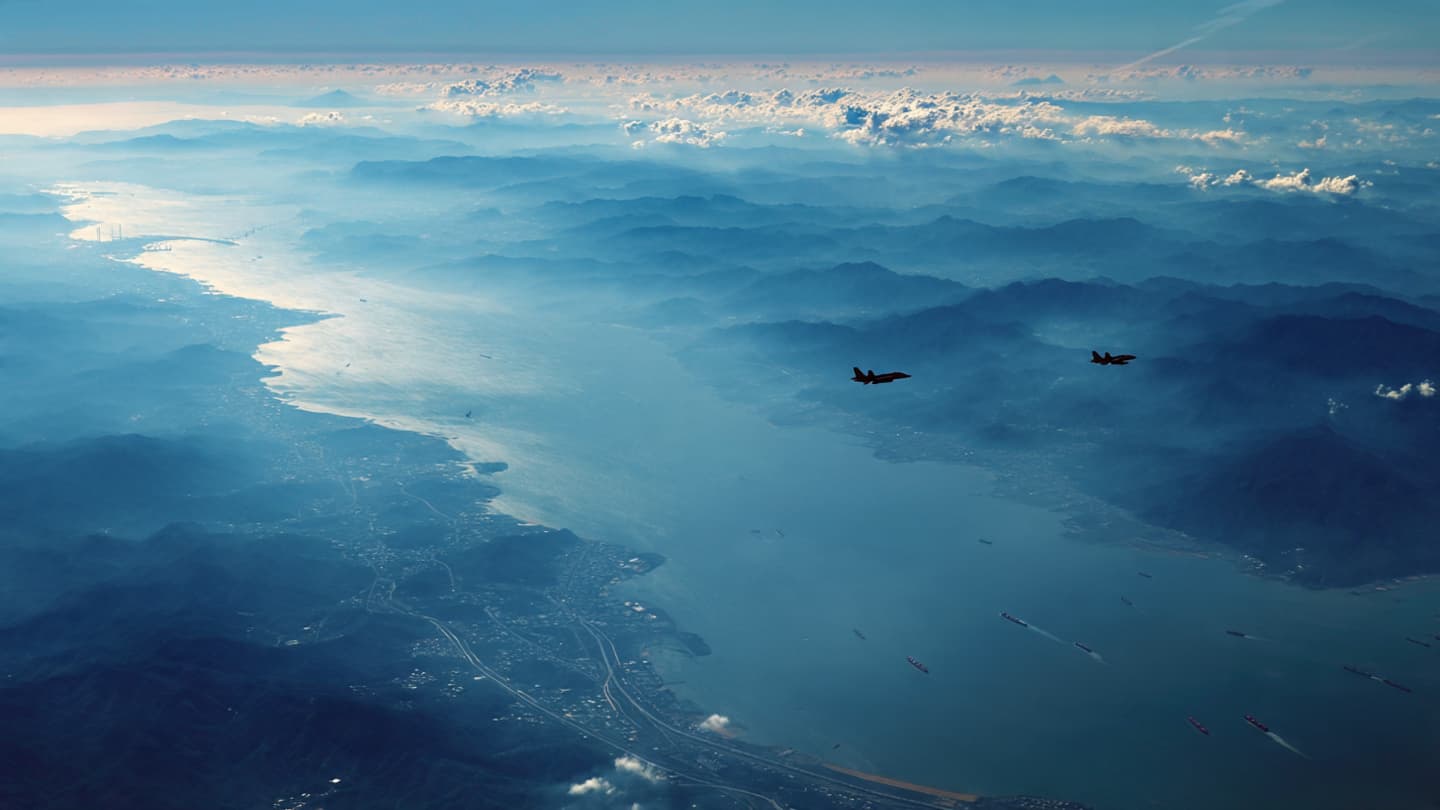
The concept of “looking to the skies” encapsulates the modern dynamics of influence and power. Airspace has transformed into a strategic arena, where the altitude of operations can dictate perceptions of security and tension. China's expanding aerial posture, alongside its growing space infrastructure, underscores a global shift towards prioritizing aerial and orbital capabilities in national defense strategies.
In the Taiwan Strait, these developments are laden with historical significance. Each flight and maneuver is viewed through the lens of unresolved sovereignty issues and decades of diplomatic ambiguity. Yet, amid these strategic considerations, life continues on the ground. Fishermen ply their trade, cities maintain their daily rhythms, and Taiwan's diplomatic offices work tirelessly to foster relationships that exist without formal recognition.
As China enhances its aerial and space capabilities, Taiwan's diplomatic efforts persist within a narrower yet determined framework of international engagement. The dual trajectories of China's expanding military presence and Taiwan's outreach efforts create a complex diplomatic atmosphere, where the skies above the Taiwan Strait serve as both a battleground for influence and a symbol of the ongoing struggle for recognition.
In conclusion, the skies above the Taiwan Strait are not just a physical space but a critical arena for political maneuvering, where the interplay of aerial strategies and diplomatic outreach shapes the future of Taiwan's international standing.
Published by Banx Network. This article is part of the Banx decentralized media programme, powered by the BXE token on the XRP Ledger.



