
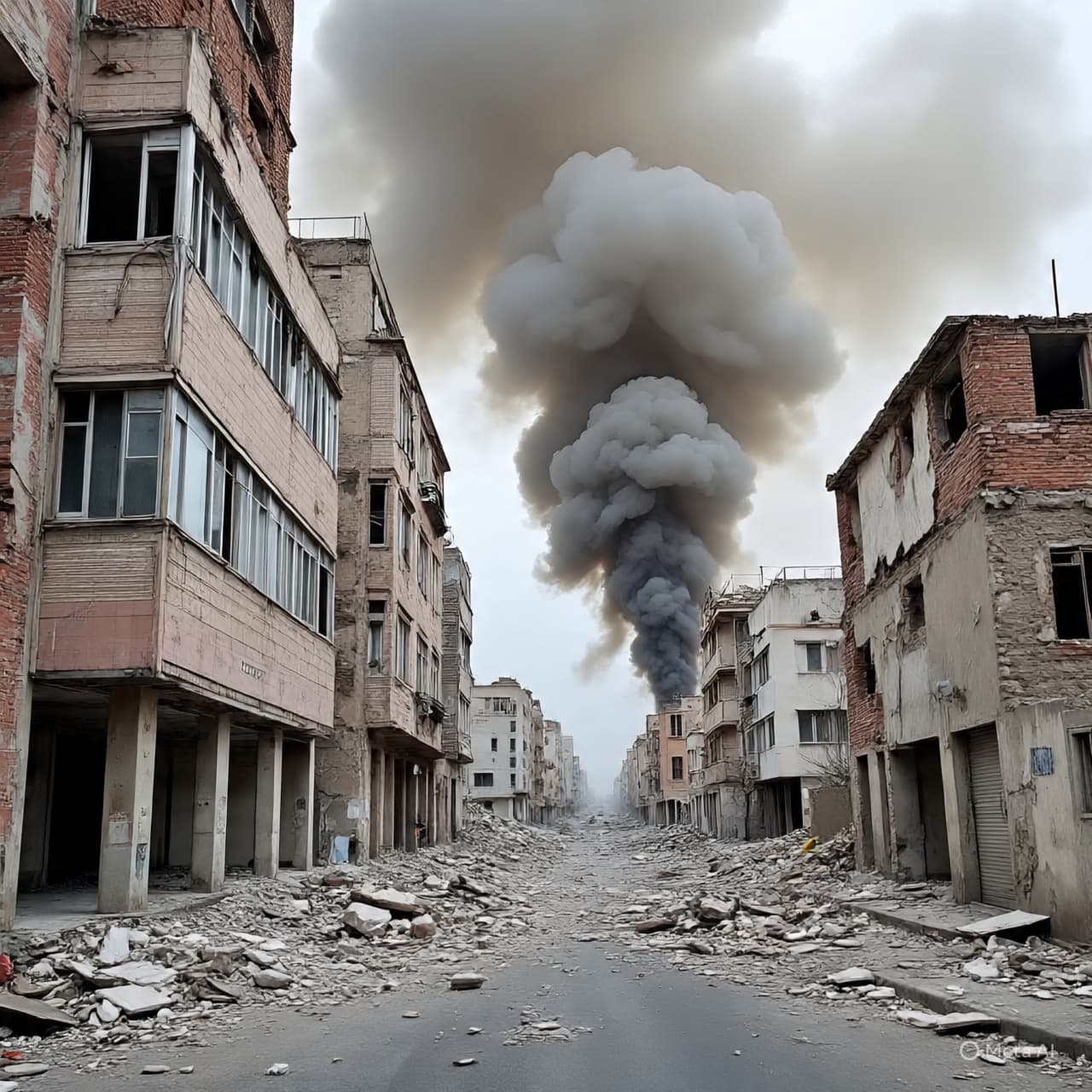
Key Highlights
- UN Concerns:The UN Human Rights Office warns of potential war crimes amid Israeli attacks in Lebanon.
- Historical Context:The ongoing conflict is shaped by a long history of tension and violence in the region.
- Human Impact:Communities in Lebanon face immediate disruptions to daily life due to escalating violence.
[UN Raises Concerns Over Potential War Crimes]
Recent statements from the United Nations Human Rights Office have highlighted serious concerns regarding Israeli military actions in Lebanon, suggesting that these actions may constitute violations of international law. This measured language reflects the UN's role in addressing complex geopolitical issues without rushing to conclusions, emphasizing the need for thorough investigation and understanding.
The backdrop of these concerns is a long-standing history of conflict between Lebanon and Israel, where borders are not merely geographical but are deeply intertwined with the lived experiences of the people. Each incident of violence feeds into a larger narrative of escalation, where the potential for war crimes looms large. The UN's caution in its phrasing underscores the gravity of the situation, as it seeks to illuminate the legal and humanitarian implications of ongoing hostilities.
The assertion that certain actions “may amount to war crimes” introduces a critical dimension to the discourse surrounding the conflict. International humanitarian law is designed to protect civilians and regulate the conduct of war, yet its application is often fraught with challenges. Documenting violations requires meticulous attention to detail and a comprehensive understanding of the context in which these events unfold.
For policymakers and observers, the UN's statement serves as both a warning and a call to action. It signals that the situation in Lebanon is precarious and warrants close scrutiny. The cautious tone reflects the complexity of international law, where definitive conclusions are not easily reached, and the language used is carefully chosen to avoid premature judgments.
On the ground, the human impact of the conflict is immediate and palpable. Communities in Lebanon are experiencing the consequences of violence not as abstract legal concepts but as disruptions to their daily lives. The uncertainty and fear that accompany such conflicts resonate deeply within these communities, highlighting the urgent need for accountability and justice.
The international response to the situation is often slow and methodical, characterized by diplomatic efforts and investigations. Statements from various governments and organizations are issued, but the pace of action can lag behind the urgency of the situation. Each step taken is part of a broader process aimed at ensuring that any findings are based on solid evidence and thorough analysis.
As the situation continues to evolve, the role of international organizations like the United Nations remains crucial. They provide a platform for raising concerns and facilitating discussions about accountability and humanitarian rights. The UN's ongoing assessments and information-gathering efforts are essential in navigating the complexities of the conflict and ensuring that the voices of those affected are heard.
In conclusion, the UN Human Rights Office's recent remarks underscore the need for vigilance and careful examination of the actions taking place in Lebanon. As tensions rise, the implications for international law and humanitarian standards become increasingly significant, demanding attention from the global community.
Published by Banx Network. This article is part of the Banx decentralized media programme, powered by the BXE token on the XRP Ledger.



