Before sunrise, airport terminals often carry a peculiar stillness — a suspended hush filled with the soft whir of escalators and the muted glow of departure boards flickering awake. Suitcases line up like quiet companions. Coffee steams beneath fluorescent lights. In these in-between hours, the promise of movement feels almost sacred, as though the world itself is gently unfolding toward distant reunions and long-planned journeys.
This week, that promise faltered.
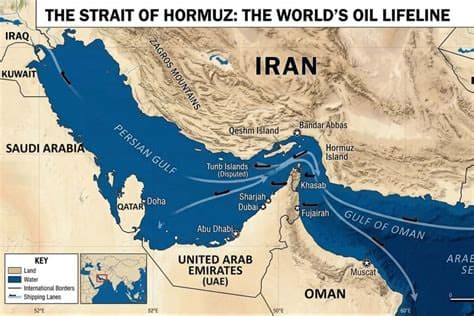
Across continents, thousands of flights were abruptly canceled, leaving travelers stranded beneath vast ceilings of glass and steel. From London’s Heathrow to Dubai International, from major U.S. hubs to airports in Southeast Asia, departure boards turned from green to amber to red. What began as a cluster of disruptions — severe weather in parts of Europe, airspace restrictions linked to Middle East tensions, and staffing shortages at key control centers — quickly cascaded into the most widespread travel disruption since the early months of the Covid-19 crisis.
Airlines cited a convergence of pressures. In Europe, powerful storm systems swept across flight paths, grounding aircraft and forcing rerouting. Meanwhile, renewed geopolitical strains prompted temporary airspace closures in certain corridors, narrowing the sky into tighter lanes of traffic. In the United States, air traffic control staffing shortages — an issue that has lingered since pandemic-era retirements — compounded delays, particularly along the East Coast. Each isolated strain might have been manageable; together, they formed a bottleneck that rippled outward, hour by hour.
Passengers slept on terminal floors in Frankfurt and Doha, their coats folded beneath their heads. Families clutched boarding passes that no longer carried meaning. Airline apps refreshed endlessly, offering apologies in digital tones. For many, the cancellations carried more than inconvenience — missed weddings, postponed business deals, long-awaited homecomings deferred by forces beyond control. The fragility of global mobility, once exposed by a virus invisible to the eye, now felt vulnerable again to a web of weather patterns, security calculations, and human capacity.
Aviation analysts note that the system, though largely recovered in passenger numbers since Covid-19, still operates with thinner margins. Fleet maintenance backlogs and supply chain constraints have slowed aircraft deliveries. Air traffic networks remain calibrated for efficiency, leaving little cushion when multiple disruptions strike simultaneously. The skies may appear vast, but the choreography that keeps them orderly is delicate.
Governments and aviation authorities have urged calm, emphasizing that safety protocols necessitate cautious decisions during storms and geopolitical volatility. Airlines have begun adding supplemental flights where possible, and some carriers have waived rebooking fees. Yet as the weekend approaches, further cancellations remain likely, especially if adverse weather persists or airspace advisories expand.
Outside the terminals, the world moves on with quiet indifference. Taxi drivers circle arrival halls in hope of passengers who may not emerge. Hotel lobbies fill with unexpected guests. Runways, usually humming with motion, sit momentarily still — long ribbons of asphalt waiting for engines to roar again. The global map, once stitched tightly together by contrails, seems briefly loosened at its seams.
And yet, if the pandemic years taught anything, it is that movement eventually resumes. Aircraft will lift again into calmer air. Departure boards will glow with renewed certainty. For now, the present moment feels like a pause — not as absolute as the lockdowns of 2020, but enough to remind travelers how interwoven the world has become, and how easily that weave can fray.
In the coming days, airlines and regulators will assess the strain, recalibrate schedules, and restore routes. The numbers — thousands of cancellations, hundreds of thousands of passengers affected — will settle into reports and briefings. But for those waiting beneath the wide ceilings of departure halls, the experience is simpler and more human: the quiet lesson that even in an age of constant motion, the sky can close without warning, and patience becomes the only available itinerary.
AI Image Disclaimer These images are AI-generated representations intended for illustrative purposes only.
Sources
Reuters Associated Press BBC News CNN International Air Transport Association
Published by Banx Network. This article is part of the Banx decentralized media programme, powered by the BXE token on the XRP Ledger.
.jpg&w=3840&q=75 "US Declares Drought Disaster for Parts of Puerto Rico as Dry Conditions Persist")