

Key Highlights
- Flash floods have declared emergencies in seven cantons of Ecuador.
- Approximately 12,000 individuals are affected by the flooding.
- The floods expose significant vulnerabilities in municipal drainage systems.
Ecuador's agricultural heartlands are currently grappling with severe flash floods, a situation that has escalated due to unprecedented rainfall. Traditionally, the arrival of rain is a welcome event for farmers, rejuvenating the soil and replenishing irrigation systems. However, this year, the rains have transformed into a deluge, overwhelming the land's capacity to absorb water and leading to widespread flooding across multiple cantons.
The recent weather patterns have not been characterized by gentle showers but rather by intense, prolonged downpours that have deposited weeks' worth of rain in mere hours. This sudden shift has caught local authorities and residents off guard, resulting in a series of emergencies that have tested the limits of community infrastructure and emergency response capabilities.
In response to the crisis, the Risk Management Secretariat (SNGR) swiftly declared formal emergencies in the affected regions. This administrative action is crucial as it facilitates the rapid allocation of resources, including heavy machinery and emergency funding, to areas where local capacities have been overwhelmed. The declaration serves as an acknowledgment of the crisis that is already evident on the ground, allowing for a more structured response to the chaos.
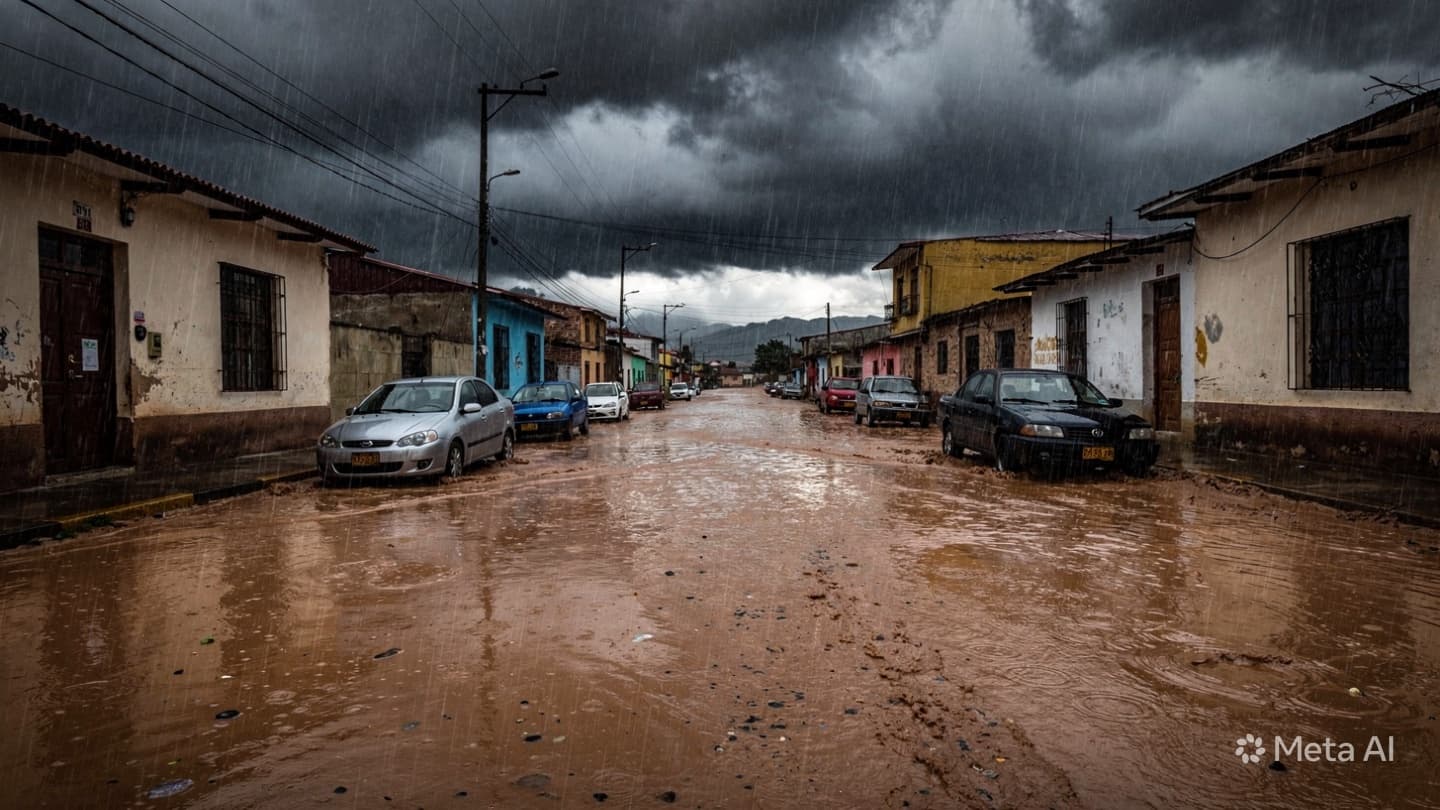
The flooding has invaded homes, with muddy water seeping through floorboards and filling basements. Residents have been forced to make quick decisions, elevating appliances and gathering essential documents before evacuating to higher ground. Streets that once buzzed with activity have fallen silent, replaced by the sound of rushing water and the occasional rumble of rescue vehicles navigating the flooded landscape.
At the heart of these recurring emergencies lies the failure of urban drainage systems. As towns expand and concrete replaces soil, the natural absorption of rainwater diminishes, leading to overwhelmed drainage networks that were never designed to handle such extreme weather events. This crisis underscores the urgent need for a comprehensive reassessment of municipal infrastructure to better accommodate the realities of climate change and extreme weather.
Volunteer organizations and civil defense units have become the backbone of the immediate response, utilizing inflatable boats and high-clearance vehicles to assist those in need. Elderly residents and families with young children have been evacuated from their homes, their expressions reflecting a mix of exhaustion and resignation as they are transported to temporary shelters. These makeshift refuges, established in gymnasiums and churches, provide dry spaces but often lack comfort and adequate resources.
As the floodwaters recede, they leave behind a thick layer of mud and debris, complicating the cleanup process. Communities must work together to clear streets and sanitize flooded structures to prevent disease outbreaks. The true cost of the disaster will soon become apparent, measured in ruined belongings, lost income, and the long-term impact on local economies.
Local governments will likely be occupied with the aftermath of these flash floods for months, as discussions about infrastructure funding and environmental planning take center stage. While the immediate danger may pass with the clearing of the skies, the vulnerabilities exposed by the flooding will remain until they are addressed. For now, the cantons remain vigilant, hoping that future storm systems will spare them from further devastation.
Published by Banx Network. This article is part of the Banx decentralized media programme, powered by the BXE token on the XRP Ledger.




